Tag: Activist Repression

  • Saudi Arabia’s Persecution Beyond Borders: the Case of Human Rights Defender Al-Khalidi

    Saudi Arabia’s Persecution Beyond Borders: the Case of Human Rights Defender Al-Khalidi

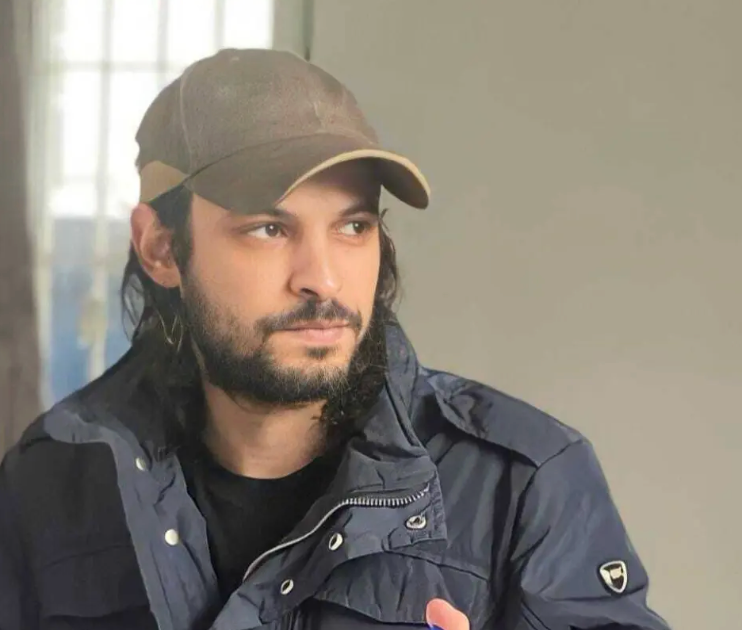
    Saudi human rights defender and online political activist Abdulrahman Al-Khalidi, detained in Bulgaria since 2021, faces a forced deportation order to Saudi Arabia, placing him at serious risk of torture, an unfair trial and the death penalty. Al Khalidi’s case reflects a wider campaign of transnational repression by Gulf regimes seeking to silence peaceful dissent and maintain control over narratives beyond their borders.

    In October 2021, Al-Khalidi crossed the border between Turkey and Bulgaria on foot and sought asylum upon his arrival in Bulgaria. His decision to flee Turkey came after an intensified campaign against Saudi activists there, most notably the murder of his collaborator, Jamal Khashoggi. Instead of granting his asylum request, Bulgarian authorities arrested him two days later. During his interrogation, Al-Khalidi reported seeing a Saudi representative observing the proceedings alongside Bulgarian officials. This raises serious concerns about the transnational reach of Saudi repression and the diplomatic pressure exerted on other countries, such as Bulgaria, at the expense of the rights of asylum seekers and due process.

    Since then, Al-Khalidi has been held in arbitrary detention despite an administrative court issuing a non-appealable decision in March 2025 which demands his release. Rather than complying with this ruling, the Bulgarian National Security Agency has issued “counterdecisions” to circumvent the release order and approve his forced deportation, calling Al-Khalidi a threat; seemingly aligning with Saudi Arabia’s so-called “national security” designation that labels Al-Khalidi as a threat to the Kingdom. Pending his deportation, authorities have transferred him to a deportation centre, where to this day he suffers from poor living conditions, physical abuse, and inadequate medical care. 

    This is not an isolated case, but a strategy that allows the Saudi government to extend its repressive control of dissidents who have fled the Kingdom over threats and safety concerns. According to a recent European Parliament study, one of the primary tactics of transnational repression is the co-option of other states, in which authoritarian regimes manipulate foreign authorities and institutions to act against targeted individuals. This includes the abuse of international mechanisms, such as the Interpol Red Notice system, to facilitate the detention and deportation of activists. 

    Across the Gulf, an array of national security measures and cybercrime laws are routinely weaponized to criminalize peaceful criticism of the government. Individuals targeted are then placed on international terrorist watchlists and subsequently detained without due process, as in the case of Al-Khalidi. Meanwhile, Interpol’s growing presence in the Middle East and its deepened cooperation with the Arab Interior Ministers’ Council has enabled extensive data sharing between the two, raising serious concerns about transparency and the risk of politically motivated arrests, especially given the widespread human rights violations in the Gulf related to freedom of expression. This highlights  how international mechanisms intended for security are being turned into tools of repression by the Gulf and exploited to legitimize transnational campaigns that enable the cross-border persecution of online activists. In Al-Khalidi’s own words, “individual cases are no longer a reasonable explanation, but an institutional pattern requiring review”.

    The detention and forced deportation of Al-Khalidi constitutes violations of international human rights law, including Article 3 of the Convention Against Torture, which enshrines the principle of non-refoulement, prohibiting the return of individuals to countries where they face a risk of torture and persecution. His case exemplifies how Saudi Arabia’s transnational repression operates through targeted strategies and the manipulation of international systems, threatening the safety of individual activists and undermining the asylum protections they seek abroad. 

    In light of these abuses, DR4G urges authorities to immediately halt Al-Khalidi’s deportation, comply with domestic court rulings, and uphold their obligations under international law. Furthermore, DR4G calls on Interpol to strengthen its safeguards against the political abuse of security frameworks and to ensure that activists seeking protection are not detained unjustly through international complicity. 

  • Silenced Online: Loujain al-Hathloul and the Weaponization of Cybercrime Laws in Saudi Arabia

    Silenced Online: Loujain al-Hathloul and the Weaponization of Cybercrime Laws in Saudi Arabia

    Loujain al-Hathloul: Digital Dissent, Cybercrime Laws, and the Struggle for Women’s Rights in Saudi Arabia​

    Loujain al-Hathloul, a prominent Saudi women’s rights activist, has become a symbol of resistance against oppressive laws and the misuse of cybercrime legislation in Saudi Arabia. Her activism, particularly her campaign for women’s right to drive and her opposition to the male guardianship system, led to her arrest in May 2018. She was subsequently sentenced to five years and eight months in prison under Saudi Arabia’s counterterrorism and cybercrime laws, with a portion of the sentence suspended.

    Al-Hathloul’s activism began in 2013 when she publicly defied the ban on women driving in Saudi Arabia. Her efforts extended beyond driving; she also campaigned against the male guardianship system, which requires women to obtain permission from a male relative to travel, marry, or work. Her bold actions and use of social media platforms to advocate for women’s rights brought international attention to the systemic gender inequalities in the Kingdom.​

    Arrest and Charges Under Cybercrime Laws

    In May 2018, just weeks before the ban on women driving was lifted, al-Hathloul was arrested along with other activists. She was charged with “spying with foreign parties” and “conspiring against the Kingdom,” accusations that human rights organizations argue were based on vague and broadly defined laws . Her case was transferred to the Specialized Criminal Court, which handles terrorism and national security cases, raising concerns about the criminalization of peaceful activism.​

    Imprisonment and Allegations of Torture

    During her imprisonment, al-Hathloul reported experiencing torture and sexual assault, allegations that were dismissed by the court. Her family stated that she was offered release in exchange for denying these claims, which she refused. To support her rehabilitation, the court suspended part of her sentence, provided she did not commit another offense within the next three years.

    Release and Continued Restrictions

    In February 2021, after serving over one thousand days in prison, al-Hathloul was released. However, her freedom remains restricted; she is under probation, subject to a travel ban, and prohibited from speaking about her detention. Her family called for “real justice” and plans to legally challenge the travel ban imposed on her.

    Cybercrime Laws as Tools of Repression

    Al-Hathloul’s case highlights how cybercrime legislation can be employed to suppress dissenting voices and criminalize online activism. The charges against her included using the internet to disrupt public order, reflecting a broader trend of using cybercrime laws to target activists. This misuse of legislation undermines freedom of expression and the right to peaceful protest.​

    International Response and Ongoing Advocacy

    Al-Hathloul’s case has drawn international attention, with human rights organizations condemning her treatment and the misuse of cybercrime laws to silence activists. Amnesty International and other groups have called for accountability for those responsible for her torture and for all punitive measures against her to be lifted. Her resilience continues to inspire activists worldwide, highlighting the need for legal reforms that protect, rather than punish, digital activism.​

    Concluding Statements: 

    Al-Hathloul’s story is a testament to the courage of individuals who stand up against oppressive systems. Her continued advocacy, despite the risks and restrictions, serves as a powerful source of hope and inspiration for those fighting for human rights and freedom of expression in the digital age.​

    However, her struggles are far from over. The lingering restrictions on her freedom, including the travel ban and probation, are clear reminders of how states can continue to exert control over activists long after their release. Her case illustrates the dangerous broadness of cybercrime laws in Saudi Arabia, which have been weaponized to punish peaceful dissent and silence calls for reform under the pretext of national security and public order.

    Digital Rights 4 Gulf urges the international community to intensify pressure on Saudi authorities to lift all restrictions against Loujain al-Hathloul and to hold those responsible for her mistreatment accountable. We call for urgent reforms to cybercrime laws across the Gulf to ensure they are not used as tools of repression but are aligned with international human rights standards. Protecting digital freedoms is not only about preserving online expression, it is about defending the very right to speak, to challenge, and to demand justice.

  • The Role of the Diaspora in Advocating for Digital Rights in the Gulf

    The Role of the Diaspora in Advocating for Digital Rights in the Gulf

    As Gulf states deploy increasingly sophisticated tools of digital control, ranging from surveillance spyware to content censorship, the diaspora has become a vital voice in the global movement for digital rights. Detached from many of the immediate risks faced by dissidents inside the region, Gulf diaspora communities have used their transnational positions to spotlight abuses, challenge authoritarian narratives, and push for international accountability. 

    Who Makes Up the Gulf Diaspora?

    The Gulf diaspora consists of exiled activists, political dissidents, journalists, academics, students, and ordinary citizens who fled their home countries due to persecution, legal threats, or shrinking civic space. Many reside in Europe, North America, and Southeast Asia, where they benefit from stronger protections for freedom of expression and digital security. Others are part of longstanding migrant communities shaped by generational exile, statelessness (such as the Bidun community), or sectarian marginalization, particularly among Shia populations in Bahrain and Saudi Arabia.

    For many, exile is not just a personal safety strategy; it becomes a political position. Their lived experience of repression fuels a commitment to advocacy, transparency, and reform. These communities form online networks, NGOs, think tanks, and media platforms to document digital rights violations and engage international audiences.

    Digital Activism Beyond Borders

    While the Universal Declaration of Human Rights (UDHR) affirms freedom of expression and the right to privacy, these rights are routinely violated in the Gulf. Governments use broadly defined cybercrime laws to criminalize dissent and silence critics. For example, the United Arab Emirates’ Cybercrime Law (Federal Decree-Law No. 34 of 2021) penalizes online content that “harms the reputation of the state,” a vague standard frequently used to imprison activists and journalists.

    Diaspora advocates, operating beyond these borders, become the last line of free expression for many back home. Whether through long-form investigative journalism, Twitter threads, Instagram reels, or encrypted messaging apps, they work to document abuses and preserve the voices of those silenced inside the region.

    Organizations such as ALQST for Human Rights, founded by Saudi dissidents in exile, regularly publish reports on arrests, censorship, and surveillance. The Gulf Centre for Human Rights (GCHR) brings together activists from across the region to coordinate advocacy campaigns, train digital defenders, and engage international institutions.

    Case in Point: The Surveillance of Jamal Khashoggi

    An alarming case that we have previously mentioned throughout our research into the internet risks experienced by Gulf diaspora members was the murder of journalist Jamal Khashoggi,  who was a U.S. resident. Investigations revealed that Pegasus spyware was used to surveil people close to him, including his fiancée and fellow dissidents. Citizen Lab and Amnesty International later confirmed that Gulf governments used this tool to target journalists, lawyers, and human rights defenders living in exile.

    This kind of transnational digital authoritarianism; where regimes export repression via digital tools is an increasingly common tactic. In addition, a 2022 Freedom House report found that Gulf countries are among the most active in digitally targeting their diasporas abroad, including through online harassment, hacking, spyware, and threats to family members.

    How the Diaspora Organizes and Mobilizes

    Despite these threats, the Gulf diaspora has grown into a well-networked digital advocacy ecosystem:

    • Independent Media: Outlets like MENA Rights Group, Lualua TV, and Daraj amplify the perspectives of exiled journalists and whistleblowers.
    • Legal Advocacy: Groups such as BIRD (Bahrain Institute for Rights and Democracy) conduct strategic litigation and file complaints with UN bodies and European courts against spyware vendors and abusive states.
    • Online Campaigns: Diaspora-led initiatives such as #FreeAhmedMansoor, #JusticeForKhashoggi, and campaigns against arms exports to Gulf states have gained global traction on social media.
    • Academic Engagement: Exiled scholars collaborate with universities and think tanks to produce policy research, op-eds, and panel discussions on digital repression in the Gulf.

    The diaspora’s ability to speak truth to power, without facing immediate imprisonment, makes them indispensable to the global digital rights movement.

    Challenges and Opportunities

    Despite their resilience, diaspora activists continue to face significant risks. Many experience digital harassment, phishing attacks, or surveillance attempts. Others are doxxed or defamed by state-aligned media. Some report coercion or retaliation against relatives still living in the Gulf.

    Yet their advocacy has already led to tangible outcomes. In 2022, the European Parliament called for a ban on spyware exports like Pegasus, citing the targeting of Gulf diaspora members. UN experts have urged stronger controls on the surveillance industry and condemned spying on human rights defenders.

    To better support the diaspora’s advocacy, the international community must strengthen legal protections for exiled human rights defenders and create mechanisms to hold both states and private actors accountable. This includes:

    • Expanding the scope of international agreements like the Budapest Convention to include safeguards against state-sponsored cyber repression;
    • Establishing international export controls on spyware, modeled on the Wassenaar Arrangement;
    • Providing digital security training and legal assistance to diaspora activists targeted by transnational threats.

    The diaspora’s role is not just reactive but visionary. By preserving spaces for free expression, exposing abuses, and pushing for reform, they are helping to shape a digital future rooted in transparency and human dignity. As digital authoritarianism becomes increasingly transnational, the resistance to it must also transcend borders. The Gulf diaspora stands at the frontline of this struggle, offering a blueprint for collective action and international solidarity.

  • Nabeel Rajab: A Case Study of Digital Repression in Bahrain

    Nabeel Rajab: A Case Study of Digital Repression in Bahrain

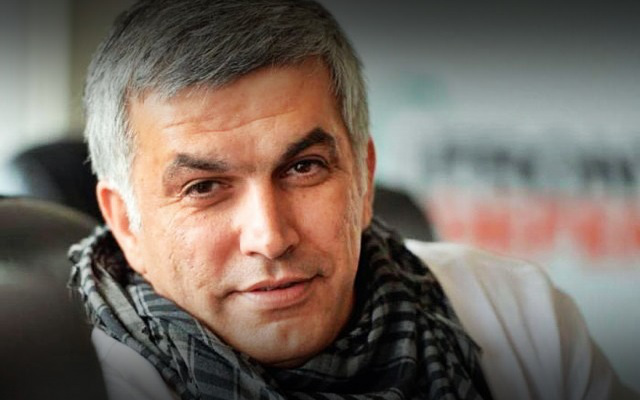
    Nabeel Rajab, one of Bahrain’s most prominent human rights defenders, exemplifies how cyber surveillance is used by the Bahraini government to target and silence activists. His case highlights the ongoing harm inflicted on civilians and activists by the regime. Rajab’s activism has consistently focused on condemning human rights violations both domestically and internationally. His outspoken criticism of the Bahraini government’s involvement in the Yemen conflict and its human rights abuses has made him a prime target for authorities.

    In 2016, Rajab was arrested for tweets criticizing Bahrain’s involvement in the Yemen war and exposing the regime’s abuses. These tweets were dismissed as “false news” and “insults to a foreign country,” resulting in a five-year prison sentence in 2018; clear evidence of the state’s aggressive crackdown on digital dissent. What makes Rajab’s case particularly significant is the government’s use of his social media activity as direct evidence in legal proceedings. In a troubling trend, digital platforms have become tools for the state to monitor, track, and punish critics. Rajab’s tweets, which aimed to spotlight critical issues, were weaponized to justify his conviction and lengthy imprisonment.

    While his release in 2020 marked a positive step toward political freedom in Bahrain, human rights activists still face significant challenges. Released under “alternative sentencing,” Rajab remains under surveillance, and his freedom of movement and speech is heavily restricted. His case is not an isolated one; a growing number of activists in Bahrain face legal persecution and imprisonment for their online activities. The regime’s response to digital dissent is not merely punitive but strategically aimed at deterring others from using digital platforms to criticize the government. The state’s use of surveillance technologies to monitor online speech has created a chilling effect, discouraging free expression and promoting self-censorship among activists and the broader public. These actions undermine basic human rights, including freedom of speech, privacy, and the right to freely exchange ideas.

    Furthermore,  The 2024 Freedom House report ranked Bahrain as “Not Free,” with a score of 12/100, citing severe limitations on civil liberties and political rights. Despite the evidence, the international community’s response has been mixed. Some human rights organizations have called for greater accountability, while tech companies face criticism for enabling digital repression.

    The struggles of activists, however, have not been in vain.  In 2024, King Hamad bin Isa Al Khalifa of Bahrain granted amnesty to more than 800 individuals wrongfully imprisoned for peacefully exercising their right to free speech and political dissent. Nonetheless, political figures and human rights advocates such as Hassan Mushaima, Sheikh Ali Salman, Dr. Abduljalil al-Singace, and Abdulhadi al-Khawaja remain arbitrarily detained. Additionally, the death sentences of 26 individuals on death row have not been commuted by the Bahraini government.

    Rajab’s case highlights the dangers of digital repression, not only for the individuals directly targeted but for the broader landscape of activism and independent journalism in Bahrain. As long as these practices persist, Bahrain’s government will continue to undermine the fundamental rights of its citizens and stifle the voices of those who seek accountability and change.

    DR4G urges the government to take accountability and protect the rights of its citizens. Tech companies must also be held accountable for safeguarding the online spaces they provide, ensuring they are not complicit in the suppression of human rights. Furthermore, governments and international organizations must take decisive action to hold perpetrators of digital violence accountable and protect those who dare to speak truth to power.

  • Cyber Surveillance in Bahrain: The New Tool of Repression Against Activists 

    Cyber Surveillance in Bahrain: The New Tool of Repression Against Activists 

    Human Rights Watch and independent security researchers have reported that Bahrain’s government leverages digital technology to monitor and restrict citizens, especially activists, in ways that closely resemble its strict control over public spaces. While no direct evidence shows continuous surveillance, corporate leaks and research reveal that Bahrain has sought intrusive software, largely from Western firms, that could potentially infringe on citizens’ privacy rights. Alongside this investigative journalism, the Human Rights Watch has documented accounts from activists, detailing a pattern of digital surveillance and control aimed at silencing dissent.

    A key tool of concern about Bahrain’s tyranny is the mandate of apps such as; BeAware Bahrain, which integrates tracking features. Initially deployed for contact tracing during the COVID pandemic, this app monitors users in real-time, gathering extensive location and health data, which raises privacy concerns given mandatory ID registration. According to Amnesty International, BeAware Bahrain was even connected to a public TV show that randomly verified quarantine compliance, intensifying government scrutiny. This gave the authorities additional leverage to monitor individuals without their explicit consent, expanding the scope of surveillance beyond health measures into broader political and social control.

    This connection to public television and other surveillance mechanisms signaled a troubling overlap between public health initiatives and authoritarian control. The TV show, which was an unconventional method of verifying compliance, heightened concerns from international advocates about state overreach. It also led to fears among activists and opposition members that their movements could be tracked, potentially leading to arbitrary detentions or reprisals for political dissent.

    Digital authoritarianism in Bahrain goes beyond surveillance and censorship; it extends into the lives of individuals in nearly every aspect. Although there are no direct cases that link the unjust arrests of activists to these softwares, activists are increasingly aware that any internet comment, tweet, or post might be  heavily scrutinized and used against them. The psychological toll on activists is immense. The knowledge that every digital move could be tracked leads to a pervasive sense of insecurity. In interviews with The Guardian, activists have explained how their awareness of being surveilled has stifled their ability to organize protests, advocate for reforms, or even criticize the government openly online. This creates a vacuum that both inhibits the capacity to mobilize for change as well as political discourse. According to The Human Rights Watch, citizens are less inclined to plan rallies, push for reform, or call attention to injustices if they are scared to voice their grievances both online and offline. However, for those who dare to challenge the regime, the consequences are often severe and are often  detained, interrogated, and even tortured in custody. And for many activists, this risk has become too high, allowing the government to continue to violate human rights, whilst avoiding accountability.