

Tag: Bahrain

  • State Immunity in the Age of Spyware: Bahrain’s Case Before the UK Supreme Court

    State Immunity in the Age of Spyware: Bahrain’s Case Before the UK Supreme Court

    A decade-old spyware operation conducted by Bahrain is now at the centre of a landmark case before the UK Supreme Court. The outcome could determine whether governments may deploy spyware against political exiles abroad while relying on state immunity to evade accountability. 

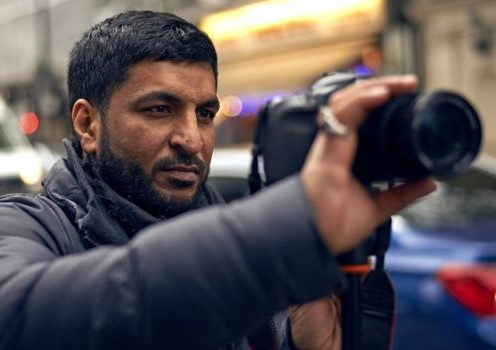
    The claim, brought by two Bahraini dissidents who have lived in the UK since 2006, accuses Bahrain of infecting their computers over a decade ago  with FinSpy, a surveillance software that allows operators to access files, monitor communications, and enable microphones and cameras for live surveillance. After discovering the intrusion, they described lasting psychological distress and are now seeking damages for personal injury.  

    This case unfolds against a broader pattern in which authoritarian governments across the Gulf have expanded their use of commercial spyware to target critics and human rights defenders. Such technology has been used to monitor online activity and construct cybercrime or terrorist-related charges against dissidents. Despite the gravity of these practices, accountability has remained elusive.

    So far, lower courts in the UK have rejected Bahrain’s argument that it must be protected by state immunity because the alleged hacking did not occur within the UK. Because its operators would have acted abroad, their conduct should fall outside the jurisdiction of British courts. However, to accept this view means conceding that digital repression, precisely because it is borderless, will fall through the cracks of international law.

    The Court of Appeal, in contradiction with Bahrain’s argument, held that even if the alleged hacking occurred abroad, the effects were felt within the UK, so much so that the country’s territorial sovereignty suffered interference. The compromised devices, the violation of claimant’s privacy, and the psychological injury took place on British soil. A view that recognizes that territorial boundaries collapse when abuses are carried out digitally.

    The legal novelty of this case also stems from the fact that traditional doctrines of sovereign immunity, such as those codified in the UK’s 1978 State Immunity Act,  were never crafted with advanced digital technologies in mind. The legal tension between accountability and sovereignty is exacerbated by the fact digital attacks, by their very nature, transcend any border. In this context, the courts must consider the central question of whether a state can inflict harm entirely digitally and then insist that, because the technical action occurred abroad, it cannot be held accountable. 

    The implications of this case extend far beyond compensating two individuals harmed by surveillance. If Bahrain’s immunity claim were upheld, states could exploit this reasoning to conduct surveillance remotely while avoiding any legal consequence. Conversely, rejecting the immunity claim would open a new avenue for dissidents to challenge digital operations, making civil claims more viable. It may also pressure governments and companies to adopt safeguards, increase transparency around spyware procurement, and affirm that individuals targeted by states have the right to seek justice wherever they reside. 

    The stakes of this case are high. Its outcome will send a message to governments across the Gulf, and the world at large, about the limits of transnational repression. As this case moves forward, the UK has the responsibility to draw a clear line: digital repression must not become a consequence-free tool of authoritarian states. DR4G urges UK authorities to affirm that those targeted by foreign governments have the right to seek justice, regardless of where the act originates from. Rejecting Bahrain’s immunity claim is an essential step to ensure that the UK remains a place where the unlawful reach of authoritarian states meets a firm limit. 
  • Ebtisam Al-Saegh: A Case Study of the Risks Against Women in Bahrain’s Digital Repression

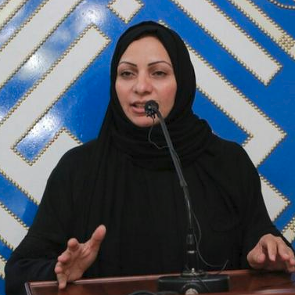
    Ebtisam Al-Saegh: A Case Study of the Risks Against Women in Bahrain’s Digital Repression

    When speaking out for justice becomes dangerous, women like Ebtisam Al-Saegh offer examples of the continuous taument that activists face. A prominent Bahraini human rights and women’s rights activist, Al-Saegh represents the compounded risks female activists face in the digital age, particularly in authoritarian states like Bahrain. Her experience serves as a chilling  example of how regimes deploy advanced digital surveillance tools to suppress dissent while exposing women activists to heightened risks due to both their advocacy and gender.

    Al-Saegh’s unwavering commitment to defending the rights of women and political prisoners in Bahrain has made her a frequent target of state repression. Before her sentencing in May 2017, she was subjected to brutal torture, including sexual assault, at the hands of Bahrain’s National Security Service.

    Although released pending trial, the abuses against her did not stop there. Investigations by Middle East Eye suggest she became a target of Pegasus spyware, a powerful surveillance tool developed by the Israeli NSO Group, allowing Bahraini authorities to infiltrate her phone. This spyware granted access to her private communications, location data, and even live conversations, creating an invasive net around her activities. Reports indicate her iPhone was hacked at least eight times between August and November 2019.

    Al-Saegh described the fear and violation she felt:

    “I now fear the worst and worry that the Bahrain government will be able to exploit my personal documents and family photos.”

    But surveillance was only part of the campaign against her. The spyware attack has led to fear that her personal information could be held against her. The repercussions extended beyond her personal safety, affecting her family, social standing, and mental well-being, further intensifying the psychological toll of such targeted oppression. It is clear that this is a direct act of violence against human rights activists. 

    Al-Saegh’s case is not an isolated one; it reflects a broader pattern of repression against women human rights defenders in Bahrain. Female activists often face gender-based violence, including digital harassment, sexual intimidation, and defamation, all designed to erode their credibility and deter their activism. This creates an additional layer of asymmetry due to the fact that these acts exacerbate pre existing vulnerabilities that women face. These tactics not only suppress their voices but also reinforce societal norms that seek to limit women’s inclusion and participation  in public and political life.

    Her treatment, both in custody and after, exemplifies the compounding impact of authoritarian control and gender-based oppression in Bahrain’s digital landscape. As an outspoken critic of the regime and a woman activist, she represents a dual threat to the state, making her a prime target of both political and gendered repression.

    Americans for Democracy & Human Rights in Bahrain urges the Bahraini government to cease its use of digital repression tools like Pegasus, end the harassment and persecution of women activists, and ensure the protection of fundamental freedoms. The international community must hold the Bahraini government accountable for its systematic violations of human rights, particularly in its efforts to target women who challenge the regime. Ensuring the safety and freedom of expression for women activists is not only a matter of justice but also a crucial step in combating digital authoritarianism in the 21st century.

  • Nabeel Rajab: A Case Study of Digital Repression in Bahrain

    Nabeel Rajab: A Case Study of Digital Repression in Bahrain

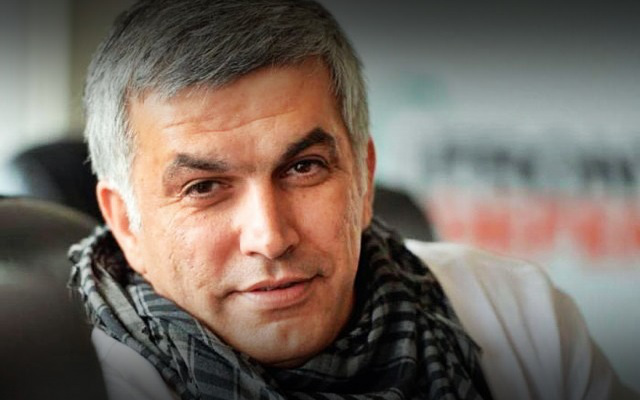
    Nabeel Rajab, one of Bahrain’s most prominent human rights defenders, exemplifies how cyber surveillance is used by the Bahraini government to target and silence activists. His case highlights the ongoing harm inflicted on civilians and activists by the regime. Rajab’s activism has consistently focused on condemning human rights violations both domestically and internationally. His outspoken criticism of the Bahraini government’s involvement in the Yemen conflict and its human rights abuses has made him a prime target for authorities.

    In 2016, Rajab was arrested for tweets criticizing Bahrain’s involvement in the Yemen war and exposing the regime’s abuses. These tweets were dismissed as “false news” and “insults to a foreign country,” resulting in a five-year prison sentence in 2018; clear evidence of the state’s aggressive crackdown on digital dissent. What makes Rajab’s case particularly significant is the government’s use of his social media activity as direct evidence in legal proceedings. In a troubling trend, digital platforms have become tools for the state to monitor, track, and punish critics. Rajab’s tweets, which aimed to spotlight critical issues, were weaponized to justify his conviction and lengthy imprisonment.

    While his release in 2020 marked a positive step toward political freedom in Bahrain, human rights activists still face significant challenges. Released under “alternative sentencing,” Rajab remains under surveillance, and his freedom of movement and speech is heavily restricted. His case is not an isolated one; a growing number of activists in Bahrain face legal persecution and imprisonment for their online activities. The regime’s response to digital dissent is not merely punitive but strategically aimed at deterring others from using digital platforms to criticize the government. The state’s use of surveillance technologies to monitor online speech has created a chilling effect, discouraging free expression and promoting self-censorship among activists and the broader public. These actions undermine basic human rights, including freedom of speech, privacy, and the right to freely exchange ideas.

    Furthermore,  The 2024 Freedom House report ranked Bahrain as “Not Free,” with a score of 12/100, citing severe limitations on civil liberties and political rights. Despite the evidence, the international community’s response has been mixed. Some human rights organizations have called for greater accountability, while tech companies face criticism for enabling digital repression.

    The struggles of activists, however, have not been in vain.  In 2024, King Hamad bin Isa Al Khalifa of Bahrain granted amnesty to more than 800 individuals wrongfully imprisoned for peacefully exercising their right to free speech and political dissent. Nonetheless, political figures and human rights advocates such as Hassan Mushaima, Sheikh Ali Salman, Dr. Abduljalil al-Singace, and Abdulhadi al-Khawaja remain arbitrarily detained. Additionally, the death sentences of 26 individuals on death row have not been commuted by the Bahraini government.

    Rajab’s case highlights the dangers of digital repression, not only for the individuals directly targeted but for the broader landscape of activism and independent journalism in Bahrain. As long as these practices persist, Bahrain’s government will continue to undermine the fundamental rights of its citizens and stifle the voices of those who seek accountability and change.

    DR4G urges the government to take accountability and protect the rights of its citizens. Tech companies must also be held accountable for safeguarding the online spaces they provide, ensuring they are not complicit in the suppression of human rights. Furthermore, governments and international organizations must take decisive action to hold perpetrators of digital violence accountable and protect those who dare to speak truth to power.

  • Digital Threats to Bahraini Journalists: A Systematic Assault on Press Freedom

    Digital Threats to Bahraini Journalists: A Systematic Assault on Press Freedom

    Bahrain’s government has systematically weaponized digital technology to suppress independent journalism and control narratives critical of the regime. Through pervasive surveillance, censorship, and legal harassment, Bahraini authorities have created a hostile environment for journalists, targeting them with spyware and punitive laws to undermine their work and silence dissenting voices.

    Spyware such as Pegasus and FinFisher has been instrumental in this assault. These tools infiltrate journalists’ devices, granting authorities access to their calls, messages, contacts, and microphones. In 2014, FinFisher spyware was deployed to monitor the private communications of Bahraini journalists and activists, exposing them to legal and professional risks. Citizen Lab has further documented the use of Pegasus spyware on at least a dozen Bahraini activists and journalists since 2020. Such invasive surveillance compromises journalists’ ability to protect their sources, deepening systemic repression and exposing them to harassment, arrest, and public defamation.

    Bahraini authorities have systematically discredited and detained journalists to suppress independent reporting. Abduljalil Al-Singace, a human rights defender and blogger, has been imprisoned since 2011, serving a life sentence on charges of “plotting to overthrow the government,” highlighting the regime’s intolerance for investigative and critical journalism. Nabeel Rajab, another prominent journalist and activist, was arrested in 2012 for “insulting a statutory body” on Twitter, and although released in 2020, his case exemplifies the state’s criminalization of online dissent to silence influential voices. Similarly, Ali Mearaj and Hassan Qambar, detained in 2016 and 2018 for reporting on political unrest, remain excluded from recent amnesty efforts, further reflecting the selective and repressive nature of the regime’s policies.

    Bahrain’s legal framework reinforces its control over journalists. The 2014 Cybercrime Law criminalizes vague offenses such as spreading “false news” or “insulting state institutions,” enabling authorities to prosecute journalists arbitrarily. The penal code further punishes perceived offenses against the king or the government’s policies, silencing dissent and censoring online content.

    State-controlled internet providers block websites critical of the regime, and during periods of unrest, authorities impose internet shutdowns to stifle the dissemination of information. These measures ensure that independent journalism and online activism are either suppressed or forced into self-censorship.

    In 2021, the Bahrain Press Association documented 49 media freedom violations, including the arrest, harassment, and surveillance of journalists. These cases illustrate the extent of the government’s efforts to dismantle independent journalism. Journalists are frequently labeled as threats to national security, facing professional ostracization and reputational harm in addition to legal persecution.

    The Bahraini government’s reliance on digital surveillance has exacerbated the challenges faced by journalists. Tools like spyware not only compromise their professional work but also invade their personal lives, creating a pervasive sense of insecurity. The fear of being monitored curtails journalists’ ability to report freely, isolates them from sources, and fosters distrust within journalistic networks. This hyper-surveillance, combined with societal pressures, discourages many from pursuing critical reporting, leading to a chilling effect on press freedom.

    The international community must pressure Bahrain to adhere to its human rights obligations, including commitments to press freedom and privacy protections. As digital tools evolve, it is imperative to establish robust legal frameworks and oversight mechanisms to prevent the misuse of technology against journalists. Safeguarding independent journalism in Bahrain is essential to fostering transparency, accountability, and the fundamental right to freedom of expression. ADHRB calls for urgent reforms:

    • End the use of spyware to monitor journalists and uphold their right to privacy.
    • Amend vague and repressive laws, including the 2014 Cybercrime Law, to protect freedom of expression.
    • Release journalists and activists imprisoned for their work and opinions.
    • Establish safeguards to prevent surveillance and ensure the safety of journalists and their sources.

  • A Community Under Watch: The targeting of women activists using Pegasus Spyware in Bahrain

    A Community Under Watch: The targeting of women activists using Pegasus Spyware in Bahrain

    Bahrain’s government has increasingly weaponized digital technology to suppress dissent and maintain its authoritarian control. Through pervasive surveillance, online censorship, and targeted monitoring, authorities stifle freedom of expression and political mobilization, particularly targeting women activists. Reports from organizations such as Amnesty International and Citizen Lab reveal that Pegasus spyware, developed by the NSO Group, has been deployed against women human rights defenders, exposing a troubling pattern of gendered digital repression.

    Pegasus spyware infiltrates mobile devices, granting access to calls, messages, contacts, and even microphones. Activists targeted by this spyware face profound violations of privacy and heightened risks to their safety. For instance, Bahraini human rights activist Ebtisam Al-Saegh reportedly experienced harassment after her phone was infected with Pegasus, allowing authorities to monitor her private communications and isolate her from support networks. Such surveillance deepens systemic challenges, exposing women to social ostracization, legal threats, and reputational harm in conservative societies. In this particular case, Ebtisam Al-Saegh  was wrongfully charged with terrorism under “using human rights work as a cover to communicate and cooperate with Al Karama Foundation to provide them with information and fake news about the situation in Bahrain to undermine its status abroad” after speaking out about the atrocities committed against her and other Bharani women. 

    Such instances highlight the risk of surveillance and its harmful effects, potentially discouraging women and other activists from engaging in political advocacy or organizing protests. This hyper-surveillance fosters distrust within activist networks, eroding the solidarity necessary for effective collective action. Women often bear additional societal pressures, as breaches of their private data can lead to severe public shaming, perpetuating cultural norms that suppress their participation in public and political life.

    The psychological impact of constant monitoring is equally as unkind. Activists perceive a persistent sense of unease and loss of autonomy, as the fear of penalties prevents them from freely expressing themselves or engaging in open discourse. Women, in particular, face unique challenges due to their central roles in family communication networks. Surveillance not only compromises their activism but also endangers their loved ones, forcing many to withdraw from advocacy efforts to shield their families from harm.

    In this respect, Bahrain’s surveillance regime exemplifies how technology is wielded to deepen existing gender inequalities and silence marginalized voices. For women activists, the digital repression compounds societal constraints, isolating them from their communities and restricting their ability to participate in movements for justice and equality.

    Countering such abuses requires robust international pressure and grassroots resilience. ADHRB Americans for Democracy & Human Rights in Bahrain call  on the Bahraini government to end its digital authoritarian practices and uphold its human rights obligations. This includes amending vague cybercrime laws that criminalize dissent, releasing individuals imprisoned for expressing their opinions, and ensuring the protection of privacy and freedom of expression for all citizens. As digital tools evolve, safeguarding civil liberties, especially for vulnerable groups, must remain a priority in the fight against authoritarianism.

  • Bahrain’s Internet Censorship and Its Impact on Freedom of Expression

    Bahrain’s Internet Censorship and Its Impact on Freedom of Expression

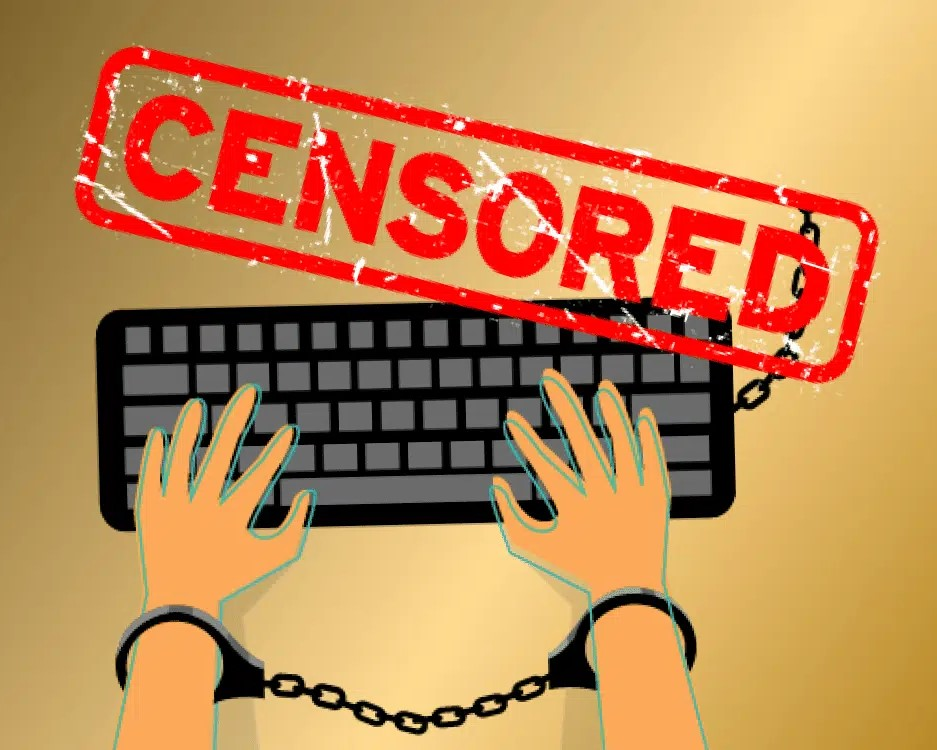
    Bahrain’s internet censorship has become a critical tool for the government in maintaining control over its citizens and repressing dissent. With increasing reliance on digital technology, the Bahraini authorities have implemented pervasive mass surveillance, content blocking, propaganda, and online monitoring to restrict freedom of expression and control individuals.

    Amnesty International reports that spyware and tracking tools are used to target individuals for harassment, deepening power imbalances and eroding personal freedoms. Bahraini authorities deploy spyware to monitor the personal communications of activists, journalists, and opposition figures. In 2014, the government used the malicious FinFisher software to track the emails and WhatsApp messages of prominent Bahraini human rights defenders and researchers from Citizen Lab have detected Pegasus spyware on the devices of at least a dozen Bahraini activists since 2020.

    The government’s efforts to suppress online criticism are justified through vague laws, such as the 2014 Cybercrime Law, which criminalizes actions perceived as anti-government or critical of the ruling regime and it consequently allows the government to censor critical content and prosecute human rights defenders. Also, the penal code includes various punishments for offenses such as insulting the king or state institutions, contradicting the government’s policies and spreading false news including on social media.

    Some notable examples include the human rights defender and blogger Abduljalil Al-Singace who has been arbitrarily detained since 2011 after being sentenced to life in prison on charges of “plotting to overthrow the government” and another prominent HRD, Nabeel Rajab, who was charged for insulting a statutory body on Twitter in 2012 and released in 2020.

    Additionally, Bahrain’s state-controlled internet providers are empowered to block content critical of the government, and during times of political unrest, this can result in complete internet shutdowns, suppressing dissent.

    In such an environment, news outlets, media, and digital activism are also under government control or operate self-censorship. In 2021, the Bahrain Press Association documented 49 media freedom violations, including arrests of journalists and activists for their cyber activities. Ali Mearaj and Hassan Qambar, respectively arrested in 2016 and 2018 have been excluded from the recent releases.

    Following the COVID-19 pandemic Bahrain has quickly adopted tracking systems that raised concerns about privacy. One example is the “BeAware Bahrain” app, which was launched by the authorities to curb the spread of the virus by tracing contacts and capturing location data but also posed significant threats to privacy and security, potentially normalizing surveillance tools that could later be used for invasive governmental control.

    As the government continues to violate fundamental rights like freedom of speech and privacy under the guise of cybercrime prevention and counter-terrorism, citizens, journalists, and activists struggle to freely voice their views online. ADHRB calls on Bahrain to stop the digital authoritarianism which resulted in serious human rights violations and arbitrary detentions of critics. The government must amend the vague and overly broad cybercrime laws imposed to silence the right to freedom of expression. Also, ADHRB urges Bahraini authorities to immediately and unconditionally release all the individuals imprisoned for expressing their opinions and uphold its human rights obligations.

    WRITTEN BY ADHRB INTERN