
Tag: Censorship

  • The Silencing of Internet Activists in Qatar

    The Silencing of Internet Activists in Qatar

    As in many Gulf countries, the suppression of freedom of expression is a matter of great concern in Qatar. The latter takes place through a series of instruments that the country’s government implements to silence all those who criticise the government and stand up for the human rights of the country’s citizens. These instruments are mostly laws with vague content through which the Qatari government then persecutes its victims with unfounded and not very credible accusations.

    As the most used means of exchanging information nowadays are social media, many activists and political dissidents use these channels in order to advance their battles and raise awareness on certain issues. Systematically, however, the Qatari government silences these people, usually accusing them of sowing hate messages, inciting revolt or insulting the country’s authorities.

    This is what happened to the brothers Hazza and Rashed al-Marri. The two had been arrested in 2021 on charges of publishing critical speeches against the government online. In reality, what they were criticising was the electoral law that discriminated against members of the al-Marri tribe. In 2022, Hazza and Rashed were finally sentenced to life imprisonment after a long period of arbitrary detention.

    Recently, two other online activists suffered the same kind of repression by the authorities. The first activist is Umm Nasser, who, on 20 March 2025, was sentenced by the Criminal Court to three years’ imprisonment. The charge against her was that, through the creation of a media account, Nasser spread false information and hate messages against the Qatari judicial authority. Umm had posted a video on TikTok asking the judicial authorities the reasons behind the arrests of innocent people and accusing them of not respecting human rights. After this, she was arrested and similarly taken to Doha prison. There, according to various testimonies, she is being mistreated and is without proper medical care.

    The other activist who was recently convicted for his online activities is Ahmed Al-Kuwari. The latter, very active on social media, often published videos and posts in which he openly criticised the Qatari government and the Emir’s authority. In January 2024, he was arrested without any charges being brought against him. In April of the same year he was taken to Qatar where he was sentenced to five years in prison in July. After a few months, this sentence was increased to 13. Al-Kuwari is still in prison, sentenced on the basis of an unfair trial and based on completely unfounded charges.

    The Qatari government’s crackdown on internet activists is of great concern and shows how the country uses its judiciary to repress free people. Umm Nasser and Ahmed Al-Kuwari have been accused of carrying out actions that are not reflected in their online activities. What they merely did was to demonstrate the inconsistency of the country’s government and to denounce its terrible repression of free people. No false information, hatred or challenges to government power can be found in their speeches. These crimes are only found in the vague laws that the judiciary interprets in its favour each time.

    As the repression of online activists is becoming more and more constant in Qatar, they have to pay more and more attention to their activities on the net. However, their courage to continue to denounce what is really happening inside the country is admirable. It is therefore crucial that we continue to speak out about those who are silenced by the Qatari government so that their stories become known and the country’s government is held accountable for these unacceptable acts of repression.
  • Qatar Amends Cybercrime Law

    Qatar Amends Cybercrime Law

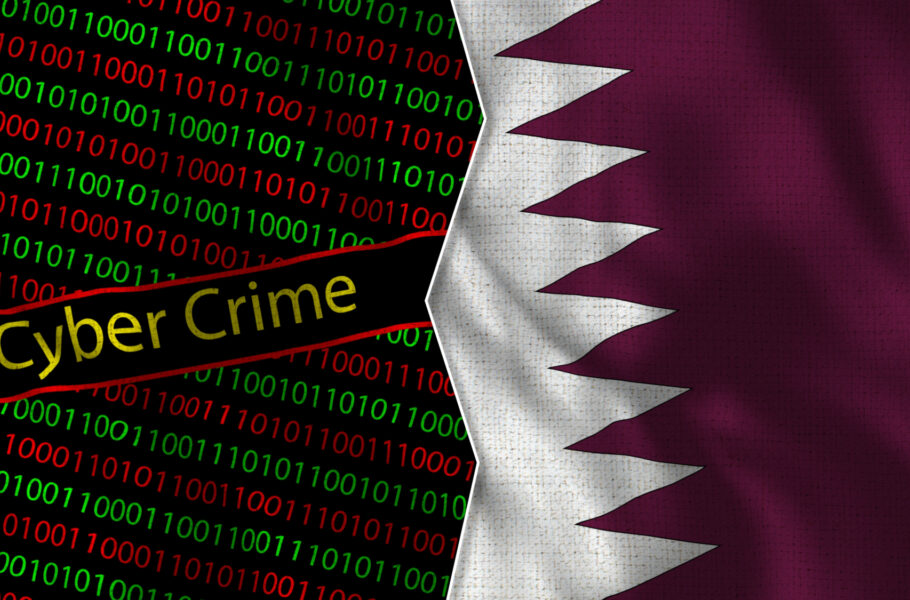
    This month, Qatari officials approved an amendment to the controversial cybercrimes law. The amendment bans the circulation of images or videos of individuals online without their given consent. Officials tout the amendment as a step forward for privacy within the country, but the amendment is rife for abuse and may threaten freedom of expression and journalism within Qatar.

    The punishment for violating the new amendment is one year of prison and/or 100,000 Qatar Riyals (roughly 23,500 Euros). A surface-level analysis of the fine amount may lead one to believe that this amount is tough but fair based on economic measurements such as GDP per capita; where Qataris are amongst the top earners in the world. These economic measures do not tell the full story of the average person in Qatar. The Qatari government heavily subsidizes its nationals through a litany of programs, but most people living in Qatar aren’t Qatari nationals. Rather they are migrant workers. Most estimates say that 90% of the population of Qatar are migrant workers. This means that wealth is not evenly distributed in the country. Furthermore, Qatari officials rarely, if ever, publish data on poverty rates and some estimates suggest that Qatar is an extremely unequal country. Thus wealth is concentrated in the hands of the country’s richest. The 100,000 Qatar Riyal fine is an astronomical amount that most Qataris can’t afford and most of the migrant workers couldn’t fathom paying that much money.

    The new amendment does not only threaten the financial stability of those found to be in violation of the Cybercrime Law, but it also threatens press freedoms within Qatar. The newest amendment, much like the Cybercrime Law overall, is overreaching and vague. Journalists in the country already self-censor their own reports in an effort to stay clear of angering authorities, but the newest amendment makes photojournalism and broadcast journalism almost impossible. Rarely do those who violate the rights of others ever consent to having journalists record them in the act. Thus, photojournalism and broadcast journalism is reduced to a lesser version of itself that is only possible in private, preapproved, and curated places chosen by authorities. 

    These restrictions apply to the average citizen of Qatar too. The vagueness and broad nature of the amendment may make it difficult for Qataris to record abuses by authorities. The ability to record and document police conduct is important. The ability to distribute these events online is important as well. Under the new amendment, this is now impossible. 

    In Qatar’s attempts to protect privacy in public places through the new amendment, authorities may have introduced a new tool of oppression. Journalists now have to be extremely careful in the way they photograph and record any story that takes place in public spaces. Qatari citizens have now lost the only means of documenting abuse by authorities in public spaces. Qatari officials must immediately tighten the language used in both the amendment and the overall Cybercrime law. As it exists now, the law only offers ways for authorities to violate the spirit of the law to punish those who would criticize officials or dissent.


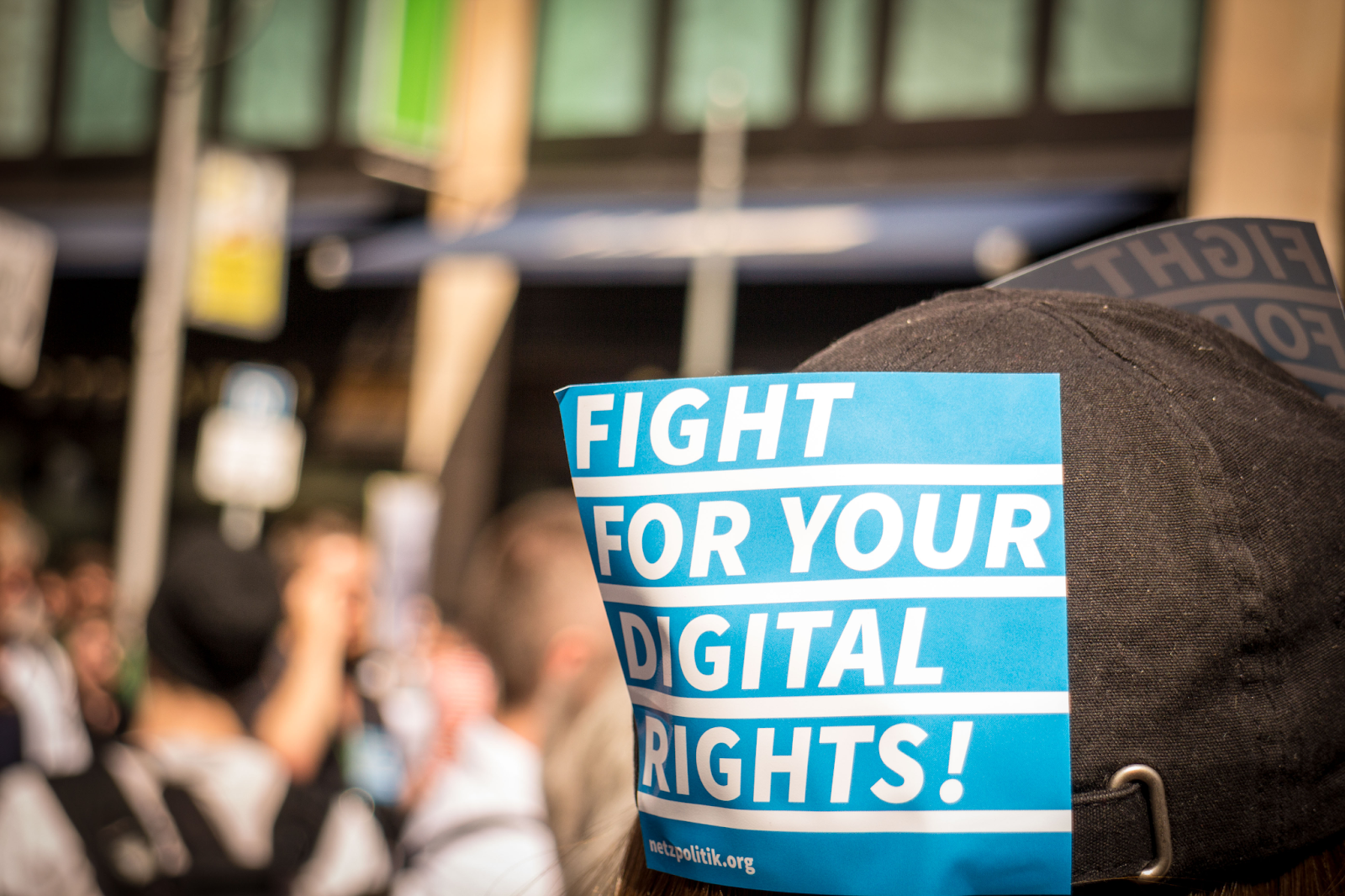
  • Why Digital Freedom is a Human Right and What We Can Do to Defend It.

    Why Digital Freedom is a Human Right and What We Can Do to Defend It.

    In an era where digital spaces shape political discourse, social movements, and individual expression, the right to digital freedom is more crucial than ever. Yet, around the world, authoritarian governments are leveraging technology to silence dissent, surveil citizens, and manipulate information. From mass surveillance to online censorship, digital repression has become a powerful tool for state control. This raises an urgent question: If access to information and freedom of expression are fundamental human rights, why is digital freedom not universally recognized as one?

    The Growing Threat to Digital Freedom

    Over the past decade, governments have increasingly weaponized technology to monitor and suppress activists, journalists, and political opponents. The Gulf region offers a critical example of this trend. In Bahrain, human rights activist Ebtisam Al-Saegh was repeatedly targeted with Pegasus spyware; an invasive surveillance tool developed by the Israeli NSO Group. According to Middle East Eye, her phone was hacked at least eight times between August and November 2019, granting authorities access to her private communications and movements (Read more about her experiences here insert link to blog)

    In particular, Saudi Arabia and the United Arab Emirates (UAE) have also deployed Pegasus to infiltrate the devices of activists and journalists. One of the most infamous cases was the hacking of Washington Post journalist Jamal Khashoggi and his associates before his assassination in 2018. According to The Guardian, forensic investigations confirmed that Saudi operatives used Pegasus to spy on individuals close to Khashoggi, highlighting how digital surveillance can have deadly consequences.

    Beyond spyware, governments also manipulate social media platforms to control narratives. X (formerly Twitter) has faced criticism for working in tandem with Gulf states to suppress dissent. In 2019, two former Twitter employees were convicted of spying for Saudi Arabia, accused of accessing private user data to identify regime critics. This demonstrates the risks posed by corporate complicity in digital repression.

    Why Digital Freedom is a Human Right

    The ability to communicate freely, access information, and express dissent without fear of surveillance or retaliation is fundamental to democratic societies. Digital freedom is an extension of core human rights, including:

    • Freedom of Expression (Article 19, UDHR): This right extends to the digital world, ensuring people can express opinions online without fear of censorship or persecution.
    • Right to Privacy (Article 12, UDHR): Governments and corporations should not have unregulated access to personal data, private messages, or location tracking without consent.
    • Access to Information (Article 19, ICCPR): The internet has become a primary source of knowledge.  The right to privacy has two factors: reactive and proactive. As such, restricting access through censorship, a lack of transparency,  or content manipulation undermines fundamental human rights outlined through these provisions.

    Yet, despite these protections, governments and corporations continue to erode digital rights through surveillance, censorship, and data exploitation.

    What Can Be Done to Defend Digital Freedom?
    1. Demand Accountability from Big Tech: 
      It is critical that tech giants such as Meta, Google, and Apple are held responsible for their role in enabling digital repression. We believe that companies should be required to disclose government surveillance requests, strengthen data protection policies, and resist cooperation with authoritarian regimes. Aside from ourselves, we recommend looking at advocacy groups like Access Now and Electronic Frontier Foundation, who also push for greater transparency and corporate accountability.
    2. Strengthen Legal Protections for Digital Rights:
      A huge priority within the digital right sphere is that Governments must establish stronger legal frameworks to protect digital freedom. The European Union’s General Data Protection Regulation provides a model for safeguarding user privacy, but similar protections need to be implemented globally. The UN has also called for an international treaty on digital rights to prevent state abuse of surveillance technologies. This is a clear next step for upholding accountability. 
    3. Support Encrypted and Open-Source Technologies:
      For activists, encryption tools such as Signal and ProtonMail provide secure communication channels resistant to government surveillance. In addition to this, open-source projects like Tor and Tails OS  may allow activists and journalists to browse the web anonymously, mitigating risks of state tracking. If you are currently in the gulf region and are experiencing these violations, you can also look at Redline for more information.  
    4. Amplify the Voices of Activists:
      When governments attempt to silence activists, international solidarity is critical. Sharing their stories, supporting legal defense funds, and pressuring governments through diplomatic channels can help counter digital repression. There are several organizations like ourselves, such as: Front Line Defenders, Red Line, Article 19 and Committee to Protect Journalists  that work tirelessly to support the fundamental freedoms of those affected by digital authoritarianism. 
    5. Advocate for a Global Ban on Spyware:
      Finally, international legislation has been demanded  as a result of the ongoing  misuse of spyware such as Pegasus. Apple filed a lawsuit against NSO Group in 2021, and the firm was placed on a U.S. federal blacklist for its involvement in permitting violations of human rights. But more has to be done to prevent private businesses from providing authoritarian governments with surveillance equipment.
    Conclusion

    Digital freedom is not just about technology; it is about human rights, democracy, and the ability to express political dissent  without fear. As governments and corporations continue to expand their control over digital spaces, it is up to civil society, lawmakers, and individuals to push back and protect our fundamental rights. ADHRB believes that The internet should be a tool for empowerment, not oppression. Whilst there is not a clear path, we believe that defending fundamental right to digital freedom starts  by lobbying for better safeguards, demanding corporate responsibility, and supporting people on the front lines of digital repression.

  • Ahmed Mansoor: The Silenced Voice of UAE’s Pro-Democracy Movement

    Ahmed Mansoor: The Silenced Voice of UAE’s Pro-Democracy Movement

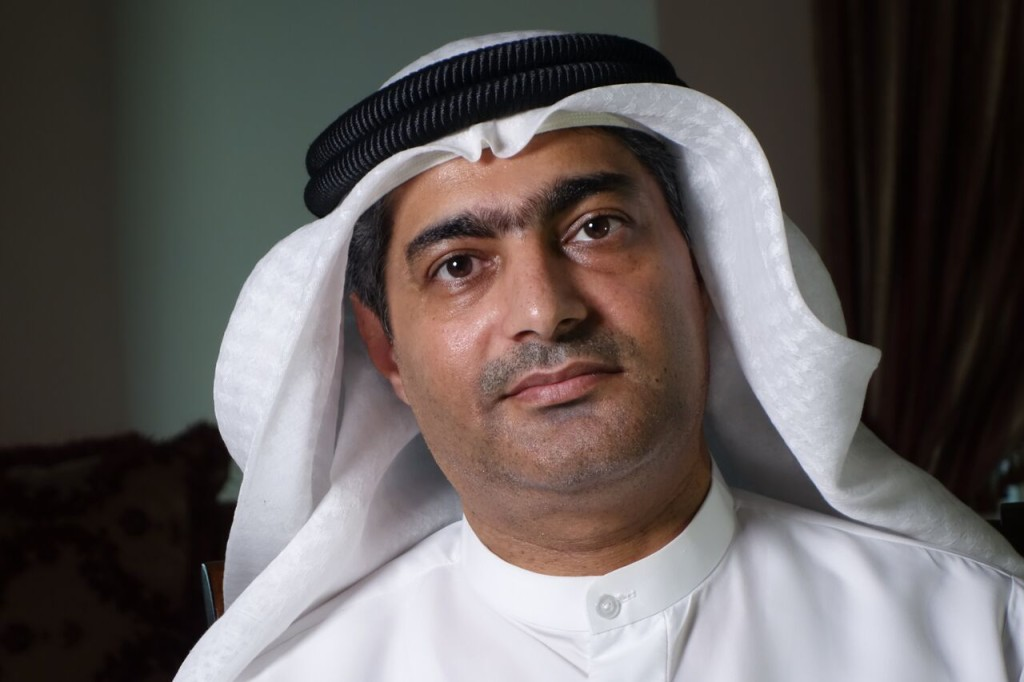
    Blogger and pro-democracy activist Ahmed Mansoor’s ongoing imprisonment in the United Arab Emirates (UAE) underscores the government’s persistent crackdown on free expression and human rights defenders. A recipient of the Martin Ennals Award for his exceptional work, Mansoor remains one of the most prominent activists in the Gulf region.

    On 20 March 2017, Mansoor was arrested for allegedly using social media platforms to “publish false information and rumors” and “promote a sectarian and hate-incited agenda.” Authorities raided his apartment at night, confiscated electronic devices, and detained him in solitary confinement. Since then, he has been denied access to legal counsel and has had minimal contact with his family.

    In May 2018, the State Security Chamber of the Federal Appeal Court in Abu Dhabi sentenced Mansoor to 10 years in prison and fined him 1,000,000 Emirati Dirhams (approximately USD $270,000) on charges including “insulting the UAE and its symbols.”

    Following his arrest, a coalition of 18 human rights organizations called for his release, describing the imprisonment as “a direct attack on the legitimate work of human rights defenders in the UAE.” Despite these efforts, Mansoor remains imprisoned, deprived of his passport, and subject to a travel ban. He continues to face significant risk of torture due to his history as a dissident.

    This is not the first time the UAE government has targeted Mansoor for his human rights work. In 2011, he was charged with publicly insulting state officials on UAE Hewar, an online discussion forum where he had called for democratic elections. After his involvement was discovered, authorities detained him for eight months, during which he was subjected to ill-treatment before being released on a pardon.

    The UAE government has also repeatedly violated Mansoor’s privacy through surveillance and targeted hacking campaigns. Under the guise of Federal Decree-Law No. 5 of 2012 for Combating Cybercrimes, authorities have closely monitored Mansoor and other activists’ online activities. He has been the target of at least three hacking and spyware attacks—the most recent of which could have transformed his iPhone into a monitoring device. This breach of privacy sparked significant global attention, prompting Apple to issue an update to fix vulnerabilities in its operating system.

    The arbitrary imprisonment and persecution of Ahmed Mansoor exemplify the UAE’s broader strategy to systematically suppress free expression and silence dissenting voices. The UAE must immediately release Mansoor and drop all charges related to his peaceful activism. Additionally, it must amend overly broad legislation, such as its cybercrimes laws, to ensure that Emirati citizens and residents are guaranteed their right to free speech.As of January 2025, Mansoor remains imprisoned under harsh conditions, including prolonged solitary confinement, which has raised significant concerns about his health and well-being.

  • An Introduction to The Role of Big Tech in Digital Oppression: Are Companies Complicit?

    An Introduction to The Role of Big Tech in Digital Oppression: Are Companies Complicit?

    In the Gulf region, the relationship between state interests and Big Tech operations has raised significant concerns amongst human rights organisations and activists  about the suppression of independent journalism and the control of dissenting narratives. Particularly during the Arab Spring, social media firms such as Facebook and X (Twitter) have long sought to present themselves as the front-runner of revolutionary movements. Despite this, as Tunisian writer and critic Haythem Guesmi has pointed out, though, it is more appropriate to say they have been vital in the counter-revolutions. In fact, Eight of the top ten largest firms in the world by market capitalization in 2023 are tech corporations, including Apple, Microsoft, Meta, Google, and Amazon (the so-called Big Five). To this end, as distinguished by Mike Hynes, these digital companies are “more powerful than most countries on the planet” because of their immense wealth, global presence, and position in international marketplaces. 

    In the digital sphere, governments have systematically employed surveillance tools, censorship, and legal frameworks to create environments hostile to dissent and journalistic freedom. However, how complicit are Big Tech companies in facilitating these oppressive measures? 

    Surveillance Technologies: 

    Gulf states have made significant investments in advanced surveillance technologies, often sourced from private companies, to monitor and suppress dissent. One of the most notorious tools in this effort that has been frequently mentioned on our website is the Pegasus spyware, developed by the Israeli firm NSO Group. Both Saudi Arabia and the United Arab Emirates have reportedly deployed Pegasus to target activists, journalists, and critics, including the late Saudi journalist Jamal Khashoggi and his family . The developer of the powerful Pegasus spyware was found liable on Friday for its role in the infection of devices belonging to 1,400 WhatsApp users, including journalists, human rights activists, political dissidents, diplomats, and senior foreign government officials further demonstrating the complicity of major tech firms in enabling digital repression. A particularly harrowing example can be seen in a 2022 investigation that revealed how NSO Group’s notorious Pegasus spyware was used to infect the devices of three activists in Bahrain, demonstrating yet again the grave threat which Pegasus poses to critics of repressive governments. 

    Surveillance tools grant authorities access to calls, messages, contacts, and even microphones, making it nearly impossible for journalists and activists to protect their sources. This level of intrusion not only violates fundamental privacy rights but also exposes individuals to severe consequences, including legal prosecution, harassment, arrest, and coordinated defamation campaigns aimed at silencing critical voices. 

    Censorship on Digital Platforms:

    Digital repression is centered around this relationship between governments and these companies. Without these big tech companies selling their products to governments. In recent years Big Tech companies have become a driving force for information dissemination, with political dissemination spreading like wildfire across these platforms. However, there have been reported instances from activists and Human Rights advocates that Big tech companies have worked in tangent with governments to censor and target those who share critical opinions of the Gulf regimes online.

    For example, X has faced significant criticism for its interactions with authoritarian governments. Firstly, governments in the Gulf, notably Saudi Arabia and the UAE, have been reported to  manipulate X’s algorithms and trending topics to suppress opposition voices. Evidence of this has been seen through State-sponsored “troll farms” which have been used to flood the platform with propaganda and disinformation, effectively drowning out genuine activist content. Additionally, the same study highlights that activists have reported X’s compliance with governmental requests to suspend or shadow-ban dissidents, thereby limiting their reach or removing their accounts entirely. In 2019, two former Twitter employees  were convicted of spying for the Saudi government, accessing private data of Saudi dissidents through the platform. This incident further highlights the vulnerability of user data and the potential for internal exploitation within tech companies. From a financial perspective, the Big Tech’s deep ties to Gulf states, such as Saudi Arabia’s investment in Elon Musk’s new AI venture (Xai), which is a subsidiary of X, raise concerns about political influence over content moderation. Ultimately, these companies enable digital repression by complying with censorship demands, failing to protect user data, and allowing state-backed disinformation to thrive.

    The Role of Big Tech and a Call for Transparency

    These practices are deeply concerning as they illustrate how platforms designed to facilitate free expression can be co-opted by authoritarian regimes to monitor, suppress, and punish dissent. Big Tech’s complicity in digital repression is not just passive—it is often an active engagement driven by financial interests, weak data protections, and a lack of accountability. To clarify further, Big Tech becomes a weapon for these regimes by partnering with them or caving in to official demands, influencing international debate and advancing digital authoritarianism. The partnership creates a digital environment where the right to free speech is compromised and the internet turns into a tool for governmental control. Without increased transparency, accountability, and regulatory oversight, the power of Big Tech may continue to strengthen digital authoritarianism efforts, particularly in regions like the Gulf where freedom of expression is already under significant threat. To safeguard freedom of expression, it is imperative for international stakeholders to hold both governments and technology companies accountable, ensuring that digital tools are used to empower rather than oppress.

  • Bahrain’s Internet Censorship and Its Impact on Freedom of Expression

    Bahrain’s Internet Censorship and Its Impact on Freedom of Expression

    Bahrain’s internet censorship has become a critical tool for the government in maintaining control over its citizens and repressing dissent. With increasing reliance on digital technology, the Bahraini authorities have implemented pervasive mass surveillance, content blocking, propaganda, and online monitoring to restrict freedom of expression and control individuals.

    Amnesty International reports that spyware and tracking tools are used to target individuals for harassment, deepening power imbalances and eroding personal freedoms. Bahraini authorities deploy spyware to monitor the personal communications of activists, journalists, and opposition figures. In 2014, the government used the malicious FinFisher software to track the emails and WhatsApp messages of prominent Bahraini human rights defenders and researchers from Citizen Lab have detected Pegasus spyware on the devices of at least a dozen Bahraini activists since 2020.

    The government’s efforts to suppress online criticism are justified through vague laws, such as the 2014 Cybercrime Law, which criminalizes actions perceived as anti-government or critical of the ruling regime and it consequently allows the government to censor critical content and prosecute human rights defenders. Also, the penal code includes various punishments for offenses such as insulting the king or state institutions, contradicting the government’s policies and spreading false news including on social media.

    Some notable examples include the human rights defender and blogger Abduljalil Al-Singace who has been arbitrarily detained since 2011 after being sentenced to life in prison on charges of “plotting to overthrow the government” and another prominent HRD, Nabeel Rajab, who was charged for insulting a statutory body on Twitter in 2012 and released in 2020.

    Additionally, Bahrain’s state-controlled internet providers are empowered to block content critical of the government, and during times of political unrest, this can result in complete internet shutdowns, suppressing dissent.

    In such an environment, news outlets, media, and digital activism are also under government control or operate self-censorship. In 2021, the Bahrain Press Association documented 49 media freedom violations, including arrests of journalists and activists for their cyber activities. Ali Mearaj and Hassan Qambar, respectively arrested in 2016 and 2018 have been excluded from the recent releases.

    Following the COVID-19 pandemic Bahrain has quickly adopted tracking systems that raised concerns about privacy. One example is the “BeAware Bahrain” app, which was launched by the authorities to curb the spread of the virus by tracing contacts and capturing location data but also posed significant threats to privacy and security, potentially normalizing surveillance tools that could later be used for invasive governmental control.

    As the government continues to violate fundamental rights like freedom of speech and privacy under the guise of cybercrime prevention and counter-terrorism, citizens, journalists, and activists struggle to freely voice their views online. ADHRB calls on Bahrain to stop the digital authoritarianism which resulted in serious human rights violations and arbitrary detentions of critics. The government must amend the vague and overly broad cybercrime laws imposed to silence the right to freedom of expression. Also, ADHRB urges Bahraini authorities to immediately and unconditionally release all the individuals imprisoned for expressing their opinions and uphold its human rights obligations.

    WRITTEN BY ADHRB INTERN