Tag: Digital Authoritarianism

  • Platform Compliance in the Middle East: How Opaque Content Moderation Enables Quiet Authoritarian Censorship

    Platform Compliance in the Middle East: How Opaque Content Moderation Enables Quiet Authoritarian Censorship

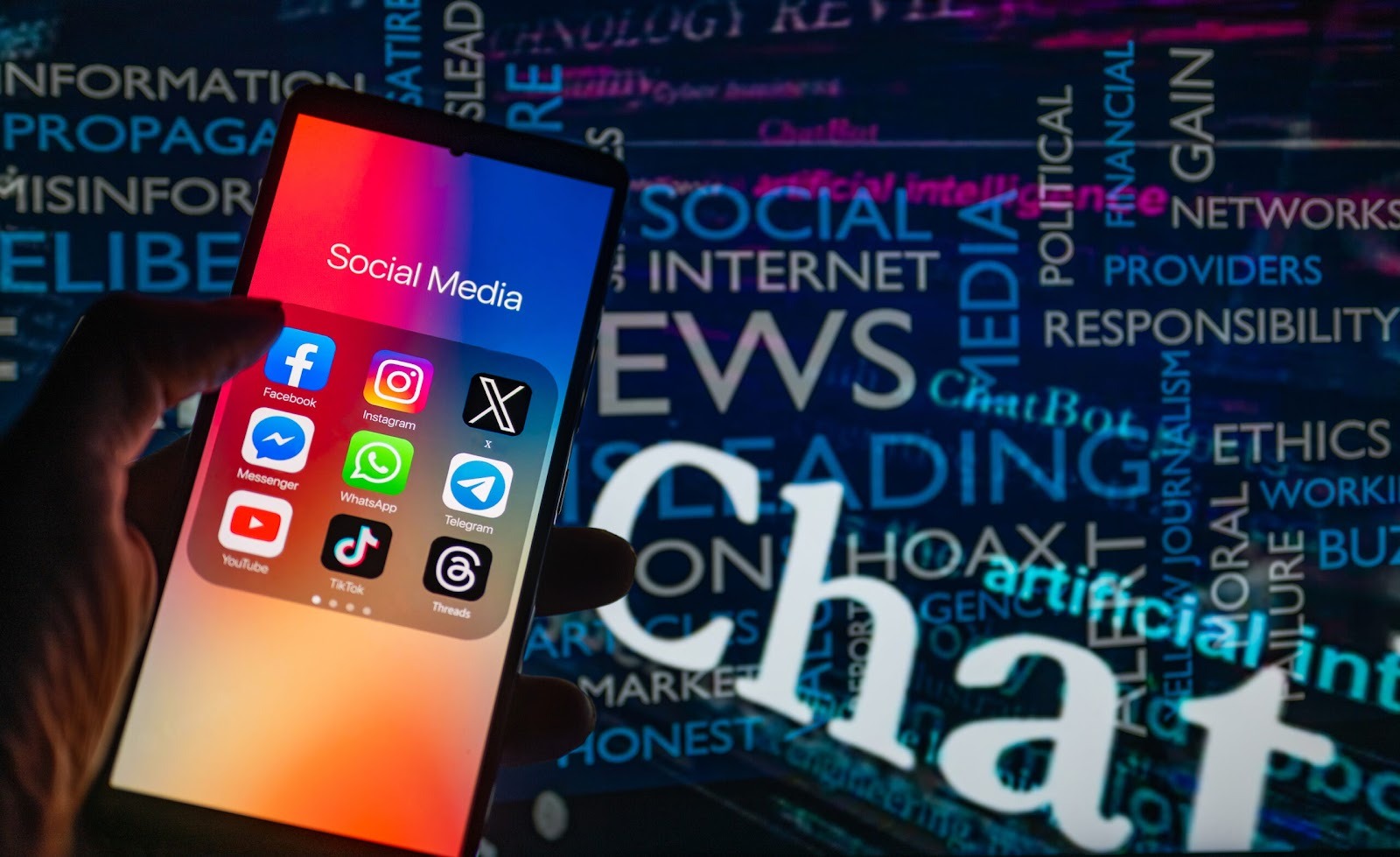
    Across the MENA region, particularly in the Gulf, political speech increasingly disappears from major platforms not through court orders or explicit bans, but through opaque content moderation decisions taken unilaterally by social media platforms that operate regional hubs in the Middle East. Posts critical of authorities or state policies are removed or restricted under vague claims of policy violations, with no clear explanation or any possibility of meaningful appeal. 

    Although Gulf states have a long-established tradition of suppressing peaceful dissent through prosecution, these digital platform removals rarely involve public legal processes. Instead, they reflect a deeper shift in how power over speech is exercised: through a quiet alignment of platform governance with authoritarian state interests. This model of repression relies on indirect pressure, anticipatory compliance, and corporate incentives that prioritize business continuity over human rights protection.

    Iraq illustrates how authoritarian-leaning governments can exploit platform compliance to suppress dissent and implement mechanisms of state-enabled digital censorship. IFEX has documented cases in which Iraqi authorities threatened to impose advertising bans on Meta if it did not comply with requests to remove a series of Facebook posts alleging judicial corruption. Platforms seeking to maintain operational stability or avoid retaliation respond by restricting content without transparent justification, becoming enforcers of state speech norms without being formally accountable as state actors.

    The regulatory environments of Gulf and Middle East states play a critical role in shaping this behavior. As noted by the Middle East Institute, geopolitical power imbalances enable a system in which speech is constrained through corporate compliance. Platforms such as Meta and X, which maintain significant commercial interests in the region, are incentivized to adjust enforcement practices to avoid friction with authorities and protect market access.

    In the case of Saudi Arabia, alignment between platform moderation and state interests often occurs without visible requests at all. Because political red lines are well established, content restriction by platforms operating in or around the Saudi market is frequently anticipatory, occurring before it triggers government attention. This dynamic mirrors what Human Rights Watch has described as “systemic” content suppression, where internal platform policies and enforcement practices disproportionately silence political speech in sensitive contexts. The result is a digital environment shaped by preemptive self-censorship, driven by business considerations rather than human rights concerns.

    Given that the costs of over-removal are low and the risks of non-compliance are high, platforms face little to no consequences for restricting lawful speech. This is facilitated by reliance on opaque and broadly framed policies that do not require consistent disclosure of government takedown requests, informal communications, or internal risk assessments. Appeals mechanisms are typically automated and limited; all of which makes it difficult to distinguish between genuine policy enforcement and politically motivated suppressions.

    Under the UN Guiding Principles on Business and Human Rights, companies have a responsibility to avoid contributing to human rights violations and to provide remedies when these occur. Yet opaque moderation systems and informal platform compliance fall short of these standards. Through indirect regulatory pressure, social media platforms have become key actors in constraining political expression. 

    ECDHR calls on platforms to disclose government takedown requests through transparency reports that provide clear information on procedures and safeguards applied. ECDHR also urges platforms with regional hubs to conduct independent human rights audits to ensure the respect of fundamental rights. Without such measures, corporate compliance will continue to prioritize revenue over human rights, embedding quiet censorship in the digital infrastructure of the Middle East.

  • How Digital Authoritarianism Erodes Social Bonds in the Gulf

    How Digital Authoritarianism Erodes Social Bonds in the Gulf

    In the Gulf region, there has been a shift in social dynamics. Surveillance, infiltration, and censorship; facilitated by authoritarian states and often enabled by Big Tech, have transformed the digital landscape creating an environment of mistrust and can often lead to key activists being silenced. 

    Nowhere is this transformation more evident than in the aftermath of the Arab Spring. While social media was initially celebrated as a tool for liberation, it has also become integral to the rise of counter-revolutionary digital repression. As explored in Al Jazeera,  although initially Big Tech companies were seen as the root of the revolution, they have grown to become silent enablers of state control and mass disinformation. This blog aims to explore the social impact of these very systems.

    The Surveillance State and Trust 

    As we have previously explored (see our previous blogs here), authoritarian governments in the Gulf have invested heavily in digital surveillance technologies. For example, Pegasus spyware, developed by Israel’s NSO Group, has become infamous for its use by Gulf regimes to monitor and silence dissent. A Guardian investigation revealed that Pegasus was used to target over 1,400 WhatsApp users, including journalists and activists. Furthermore, A 2021 report by Citizen Lab showed how Bahraini activists were targeted by zero-click Pegasus attacks on their iPhones. These breaches gave authorities access to private calls, messages, photos, and even microphone, turning phones into portable surveillance devices against Bharians own citizens.

     As a Freedom House report outlines, this intrusive monitoring destroys civil society, creating  an atmosphere where individuals fear their communications may be intercepted, their confidants may be informants, and their allies may be under similar scrutiny, leading to a lack of trust in their peers. In Bahrain, Saudi Arabia, and the UAE, surveillance is not just a state tool, it is a social weapon.

    ​​When trust between civil society depletes,  so does the solidarity of the movement. Activists, community organizers, and even ordinary citizens may become paranoid about their safety for speaking out: Who is safe to confide in? Who might be compromised? Who is watching, and  who is reporting? These questions fracture once-strong relationships, creating an isolating environment in which collaboration is lost and collective action is fragmented.

    Authoritarian regimes intentionally weaponize this breakdown of civil society. By making the threat of surveillance ever-present but imprecise, governments sow confusion and fear, discouraging dissent not only through punishment, but through preemptive self-censorship. In this way, the surveillance state achieves one of its most insidious goals: silencing dissent by destroying the trust that makes resistance possible.

    Engineered Silence

    In particular, disinformation campaigns by governments have been heavily utilized to discredit social movements. In countries like Saudi Arabia and the UAE, state-sponsored troll farms flood platforms with disinformation, while activists report their posts being de-amplified or accounts suspended. According to a BBC investigation, these troll farms manipulate trending topics and algorithmic visibility to drown out dissent and elevate pro-state narratives. The growing use of artificial intelligence in content moderation adds another layer of complexity to the information landscape. While intended to filter harmful content, AI systems often lack the nuance to distinguish between legitimate dissent and actual threats, inadvertently amplifying existing biases and allowing misinformation to spread, without adequate fact checking. 

    Rebuilding Trust, Reclaiming Digital Space

    Despite the suffocating environment, pockets of resistance remain sparse but persistent. Activists in Kuwait, Bahrain, and even within the Saudi diaspora are turning to encrypted messaging apps, peer-to-peer platforms, and grassroots training to maintain networks of trust.

    But technical fixes alone are insufficient. What’s needed is a broader reckoning with the complicity of Big Tech, the opacity of surveillance infrastructure, and the moral cost of profit-driven compliance. DR4G calls for international pressure for transparency, accountability, and human rights compliance; these digital ecosystems will continue to be hostile spaces for dissent and healthy dialogue.

  • The United States and Digital Authoritarianism

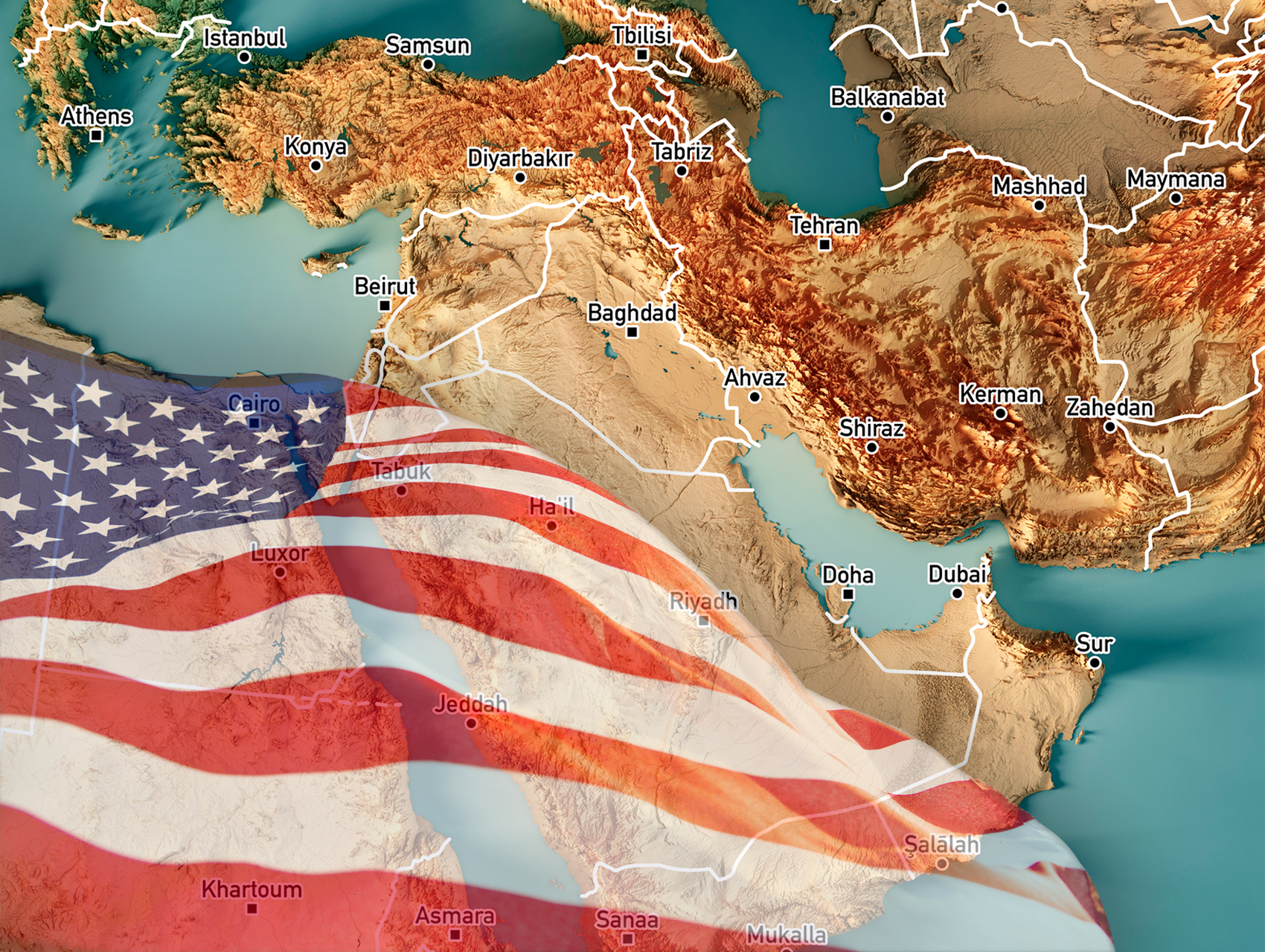
    The United States and Digital Authoritarianism

    Freedoms in Decline and the Rise of Digital Authoritarianism

    Freedom around the world is in decline. With few exceptions, democracies face threats from autocratic actors from within while established autocracies continue to fortify their hold on power. While authoritarianism evokes imagery of strong men using force to suppress resistance, nowadays it finds itself encroaching more and more on the digital sphere. The phenomenon is not exclusive to one region of the world. The tactics of digital authoritarianism of the states of the Gulf Cooperation Council (GCC) are  often the same as those in the United States.

    The rise of digital authoritarianism is not a new phenomenon, but has taken a more prominent role in efforts to thwart or subvert democracies or suppress political discussion within a state. It entails the use of a variety of means in the digital space in order to suppress dissidents or opponents. Akin to the gulf, the US has embraced increasingly autocratic measures in the digital sphere. Spyware and digital censorship are two such means that the United States can suppress dissent. Though a democracy, the United States and actors within are taking an increasingly more authoritarian approach to the rights of its citizens in the digital world. 

    Pegasus Spyware

    The use of Pegasus spyware is one such way that the United States has flirted with digital authoritarianism. Developed by the NSO Group, this sophisticated spyware is purportedly used to allow governments to track and spy on criminals and terrorist organizations. It allows for remote access to a phone’s data including such things as the phone’s call logs, videos, photos, messages, and contacts. In practice, authoritative governments often abuse the spyware’s capabilities to spy on journalists, dissidents, and activists. As we have previously documented this tactic is widespread amongst the GCC states.

    The United States has long been interested in the capabilities of the spyware with several agencies making a concerted effort to use the spyware. The Federal Bureau of Investigation (FBI) of the United States is in charge of domestic intelligence and security service. The FBI purchased a license of the software in order to gauge its capabilities and has used the software. The agency has a long history of violating civil liberties through its surveillance programs. Other agencies have also purchased the spyware. The bureau in charge of foreign intelligence, the Central Intelligence Agency (CIA), also had interest in the capabilities of the spyware. The CIA allegedly purchased the spyware for Djibouti, which has a poor human rights record. Furthermore, while former President Biden blacklisted the NSO Group in 2021, the company is actively lobbying the Trump administration and lawmakers in an effort to overturn the ban. The ban must not be overturned. The spyware is prone to misuse and abuse due to its advanced capabilities. The US intelligence community must not become victims to the same pitfalls that afflict the Gulf’s various intelligence communities. The spyware is still legal in the Gulf and used to spy on dissidents. Thus, by not standing against digital authoritarianism in the Gulf, the US may be heading towards its own digital-autocratic future.

    The Role of Social Media

    American social media companies also play a role in the spread of digital authoritarianism. Through the suppression of content through digital censorship, social media companies in the United States can actively suppress dissent. Social media platform X has taken a stronger stance against the freedom of expression on its platform. X has complied with an estimated 80% of government requests to censor content on the website. The requests are often focused on removing content that governments find to be subversive. The removal of dissident posts or those unflattering to authorities is not an issue limited to the Gulf; similar tactics have been used to limit dissident opinions in the US. Take for example, the disappearance of the hashtag #BlackLivesMatter. A systematic censorship of tweets with the hashtag has happened since Elon Musk became the owner of the platform. This tactic amounts to little more than political censorship. The misuse of social media platforms and the negligence of its owners has real world consequences for the users of X from the Gulf. With the huge reach of X and other social media platforms, with Saudi Arabia alone having an estimated 15.7 million people in X’s advertising audience, it is important that these social media platforms protect users from government oversight and allow for free political discussion, whether they live in the Gulf or the US. 

    Past Lessons and the Future of America’s Role
    The United States has a dominant role in international politics and thus has an obligation to protect freedoms in our ever-digitizing world. Its interests in the procurement and the dissemination of sophisticated spyware is of great concern. Though spyware enables governments to track those who would carry out heinous acts of violence, its capacity for misuse is severe. When given such surveillance capabilities, actors within the intelligence community have proven time and time again the potential to misuse intelligence-gathering tools. The covert distribution of such spyware to US allies, especially those with egregious human rights records, only enables the rise of digital authoritarianism. The US has already taken a role in building spy agencies within the Gulf states, who then misuse these resources to spy on journalists and activists. It is not too late for the US to take a firmer stance against the misuse of US-supplied intelligence and capabilities in the region. In terms of non-governmental actors, the United States still plays a dominant role in the digital sphere through the overwhelming popularity of American-owned social media platforms such as Facebook, Instagram, and X. The aggressive censorship of peaceful but dissenting voices suppresses political freedoms of expression throughout the world. The ever-growing compliance to the whims of autocratic governments only make these social media platforms a tool of suppression. The United States and entities within need to take a firmer stance on the protection of digital rights not only within the United States but throughout the Gulf.

  • An Introduction to The Role of Big Tech in Digital Oppression: Are Companies Complicit?

    An Introduction to The Role of Big Tech in Digital Oppression: Are Companies Complicit?

    In the Gulf region, the relationship between state interests and Big Tech operations has raised significant concerns amongst human rights organisations and activists  about the suppression of independent journalism and the control of dissenting narratives. Particularly during the Arab Spring, social media firms such as Facebook and X (Twitter) have long sought to present themselves as the front-runner of revolutionary movements. Despite this, as Tunisian writer and critic Haythem Guesmi has pointed out, though, it is more appropriate to say they have been vital in the counter-revolutions. In fact, Eight of the top ten largest firms in the world by market capitalization in 2023 are tech corporations, including Apple, Microsoft, Meta, Google, and Amazon (the so-called Big Five). To this end, as distinguished by Mike Hynes, these digital companies are “more powerful than most countries on the planet” because of their immense wealth, global presence, and position in international marketplaces. 

    In the digital sphere, governments have systematically employed surveillance tools, censorship, and legal frameworks to create environments hostile to dissent and journalistic freedom. However, how complicit are Big Tech companies in facilitating these oppressive measures? 

    Surveillance Technologies: 

    Gulf states have made significant investments in advanced surveillance technologies, often sourced from private companies, to monitor and suppress dissent. One of the most notorious tools in this effort that has been frequently mentioned on our website is the Pegasus spyware, developed by the Israeli firm NSO Group. Both Saudi Arabia and the United Arab Emirates have reportedly deployed Pegasus to target activists, journalists, and critics, including the late Saudi journalist Jamal Khashoggi and his family . The developer of the powerful Pegasus spyware was found liable on Friday for its role in the infection of devices belonging to 1,400 WhatsApp users, including journalists, human rights activists, political dissidents, diplomats, and senior foreign government officials further demonstrating the complicity of major tech firms in enabling digital repression. A particularly harrowing example can be seen in a 2022 investigation that revealed how NSO Group’s notorious Pegasus spyware was used to infect the devices of three activists in Bahrain, demonstrating yet again the grave threat which Pegasus poses to critics of repressive governments. 

    Surveillance tools grant authorities access to calls, messages, contacts, and even microphones, making it nearly impossible for journalists and activists to protect their sources. This level of intrusion not only violates fundamental privacy rights but also exposes individuals to severe consequences, including legal prosecution, harassment, arrest, and coordinated defamation campaigns aimed at silencing critical voices. 

    Censorship on Digital Platforms:

    Digital repression is centered around this relationship between governments and these companies. Without these big tech companies selling their products to governments. In recent years Big Tech companies have become a driving force for information dissemination, with political dissemination spreading like wildfire across these platforms. However, there have been reported instances from activists and Human Rights advocates that Big tech companies have worked in tangent with governments to censor and target those who share critical opinions of the Gulf regimes online.

    For example, X has faced significant criticism for its interactions with authoritarian governments. Firstly, governments in the Gulf, notably Saudi Arabia and the UAE, have been reported to  manipulate X’s algorithms and trending topics to suppress opposition voices. Evidence of this has been seen through State-sponsored “troll farms” which have been used to flood the platform with propaganda and disinformation, effectively drowning out genuine activist content. Additionally, the same study highlights that activists have reported X’s compliance with governmental requests to suspend or shadow-ban dissidents, thereby limiting their reach or removing their accounts entirely. In 2019, two former Twitter employees  were convicted of spying for the Saudi government, accessing private data of Saudi dissidents through the platform. This incident further highlights the vulnerability of user data and the potential for internal exploitation within tech companies. From a financial perspective, the Big Tech’s deep ties to Gulf states, such as Saudi Arabia’s investment in Elon Musk’s new AI venture (Xai), which is a subsidiary of X, raise concerns about political influence over content moderation. Ultimately, these companies enable digital repression by complying with censorship demands, failing to protect user data, and allowing state-backed disinformation to thrive.

    The Role of Big Tech and a Call for Transparency

    These practices are deeply concerning as they illustrate how platforms designed to facilitate free expression can be co-opted by authoritarian regimes to monitor, suppress, and punish dissent. Big Tech’s complicity in digital repression is not just passive—it is often an active engagement driven by financial interests, weak data protections, and a lack of accountability. To clarify further, Big Tech becomes a weapon for these regimes by partnering with them or caving in to official demands, influencing international debate and advancing digital authoritarianism. The partnership creates a digital environment where the right to free speech is compromised and the internet turns into a tool for governmental control. Without increased transparency, accountability, and regulatory oversight, the power of Big Tech may continue to strengthen digital authoritarianism efforts, particularly in regions like the Gulf where freedom of expression is already under significant threat. To safeguard freedom of expression, it is imperative for international stakeholders to hold both governments and technology companies accountable, ensuring that digital tools are used to empower rather than oppress.

  • ByeLaws: A Tool for Resistance or Repression in Digital Authoritarian States?

    ByeLaws: A Tool for Resistance or Repression in Digital Authoritarian States?

    While international law establishes foundational principles to combat digital authoritarianism, it is often the local legal frameworks that shape the realities for individuals living under repressive regimes. Authoritarian governments have become adept at exploiting domestic laws to justify digital surveillance, censorship, and control. However, these same systems hold untapped potential as tools for resistance, enabling activists, lawyers, and civil society to push back.

    The Role of ByeLaws in Enabling Digital Repression

    In many countries, authoritarian regimes have weaponized domestic laws to entrench digital control and silence dissent. Cybercrime laws are frequently enacted with vague and overly broad language, criminalising actions like “spreading false news” or “inciting unrest.” As a consequence, these laws enable governments to target journalists, activists, and even citizens for online activity deemed critical of the regime.

    Surveillance laws, in particular, make matters worse by giving authorities unrestricted authority to monitor digital communications. Many regimes mandate tech companies to create backdoor access to user data, facilitating mass surveillance without judicial oversight. Additionally, emergency powers are often invoked to bypass even these minimal safeguards, leading to widespread internet shutdowns and censorship under the guise of maintaining public order. There have been several documented instances during times of political unrest, governments have frequently imposed internet blackouts, cutting off communication channels and stifling the spread of dissenting voices.

    An example of this is in the Gulf region, where governments have repeatedly restricted internet access during periods of political unrest. For instance, in Bahrain, authorities imposed internet blackouts in 2016 in the town of Duraz, following protests against the revocation of a prominent Shia cleric’s citizenship. Reports show that this black out severely limited the ability of activists and journalists to communicate and report on human rights violations. Similarly, during the 2011–2012 protests in Saudi Arabia’s Eastern Province, there were reports of internet disruptions aimed at suppressing dissent. The government also imposed a ban on all protests and marches, warning that security forces would prevent any attempts to disrupt public order. These measures showcase the extent to which local laws can be manipulated to suppress freedoms in the digital age.

    Resistance Through Local Legal Mechanisms

    Despite their misuse, local legal systems also provide avenues for resistance against digital repression. Courts in some countries have emerged as champions of digital rights, with judicial rulings striking down unconstitutional internet shutdowns and privacy violations. These decisions not only protect individuals but also set critical precedents for safeguarding freedoms in the digital realm.

    Data protection laws inspired by international frameworks, such as the EU’s General Data Protection Regulation (GDPR), have also been adopted by some nations and a similar model could be adopted in the Gulf regions in order to protect citizens and their private data. These regulations have the ability to act as a shield against government overreach by limiting unauthorized access to personal information and holding offenders accountable.  Furthermore, strategic litigation is another tool increasingly employed by human rights organizations to challenge repressive laws. By bringing cases to court, these groups force governments to publicly justify their actions, shining a light on abuses and galvanizing public support for reforms. A particular development is this discussion occurred in December 2023, when ALQST, a non-governmental organization focusing on human rights in Saudi Arabia, convened a conference to explore collective strategies for seeking accountability for human rights abuses in the region. The conference emphasized the importance of strategic litigation as a tool to challenge oppressive laws and practices. By bringing cases to court, ALQST and similar organizations aim to expose governmental abuses, foster public awareness, and galvanize support for legal and policy reforms

    Technology as a Catalyst for Resistance

    Technology itself plays a crucial role in enabling resistance against digital authoritarianism. Activists and journalists use digital platforms to document and expose violations, creating a record of abuses that can support legal challenges and advocacy efforts. Furthermore, social media platforms and encrypted messaging apps amplify the voices of those fighting against repression, connecting local movements to global audiences. Thus, growing reliance on technology emphasises the significance of safeguarding these instruments against misuse.

    Building a Path Forward

    To counter the misuse of local laws, governments and civil society must collaborate to reform and strengthen domestic legal systems. The first steps to strengthening reform is through clarity of repressive laws that must be amended to remove vague provisions that criminalize dissent, and judicial independence must be bolstered to ensure fair adjudication of digital rights cases. Additionally, Oversight mechanisms must also be established to monitor and limit surveillance powers, ensuring that these tools are not abused. Public participation is equally critical; by involving civil society in the legislative process, governments can create laws that reflect democratic values and protect fundamental freedoms. Such collaboration fosters transparency and accountability, ensuring that local legal frameworks become instruments of empowerment rather than repression.

    To this end, local laws, though often exploited to entrench digital authoritarianism, remain a vital battleground for defending human rights. By leveraging these systems and strengthening legal protections, the international community and local actors alike can help ensure a freer, more democratic digital future.

  • Transnational repression: a tool that extends authoritarian government’s capacity for repression

    Transnational repression: a tool that extends authoritarian government’s capacity for repression

    Perhaps not-so-well-known, transnational repression constitutes a threat to human rights that has been going on for decades. The phenomenon, which entails governments reaching beyond their borders to silence or deter dissent by committing human rights abuses against their nationals or former nationals, has been extensively documented by Human Rights Watch. The 2018 murder and dismemberment of journalist Jamal Khashoggi by Saudi Arabia brought this issue to popular awareness.

    Alongside killings, the methods of transnational repression include unlawful removals (expulsions, extraditions, and deportations), abductions and forced disappearances, targeting of relatives, abuse of consular services, and digital transnational repression. Government critics, dissidents, human rights defenders, civil society activists, journalists, opposition party members, and their families and friends are the main victims of this type of repression. In addition, women as a group are specially targeted when attempting to flee their families or their government´s restrictive laws. Several cases reported in Saudi Arabia and Bahrain exemplify this burdensome reality.

    In January 2022, after the Bahraini authorities issued a Red Notice through the International Criminal Police Organization (Interpol), Ahmed Jaffer Muhammad, a Bahraini critic of the government, was extradited from Serbia, the country he had previously fled after suffering torture and ill-treatment when detained in Bahrain. Serbia did so while ignoring an order from the European Court of Human Rights (ECHR) pending more information on the risks of mistreatment. Now, the critic is serving life in prison in Bahrain following allegations that he was tortured while in custody.

    Saudi women are among those who have tried to flee their families to escape the rules of a strict male guardianship system that denies them the autonomy to make decisions about their own lives. Families of these women, supported by Saudi authorities, had tried to bring them back, sometimes successfully. In April 2017, Dina Ali Lasloom aimed to flee their family by flying to Australia, but when transiting in Manila, she was prevented from boarding the plane to her final destination. Apparently, two airline security officials and two men -later confirmed as Lasloom’s uncles- were seen carrying her with duct tape on her mouth, feet, and hands. According to Bloomberg, after being sent back to Saudi Arabia, Lasloom was held without charge under protective custody in a detention facility for women under 30 years until the authorities could resolve the case. In January 2019, Rahaf Mohammed al-Qunun also attempted to flee her family by traveling to Australia. During a connection in Thailand, however, she was stopped by the Thai authorities, who planned to put her on a flight back home. Global pressure on the Asian country was essential to allow her to travel to Canada, where she finally received asylum.

    It is also worth emphasizing the government’s punishment of the families of individuals who abandon the country following persecution. In this sense, there are instances where relatives have been harassed, threatened, arbitrarily arrested, banned from traveling abroad, and even killed. In Bahrain, authorities have targeted the wife, son, and brother and mother-in-law of the founder of the Bahrain Institute for Human Rights and Democracy –Sayed al-Wadaei-, in exile in the UK. The families of Omar Abdulaziz, a Saudi dissident based in Canada, and of Saad Al-Jabri, a former top Saudi intelligence official, suffered similar repression in Saudi Arabia.

    Although mostly understood as referring to authoritarian governments, cases of transnational repression have also been assisted by democratic administrations, as seen in Serbia’s involvement in the extradition of a Bahraini dissident. Furthermore, this case also highlights governments’ misuse of Interpol’s red notices to target human rights activists abroad. Red notices, formal requests of the National Central Bureaus (NCBs) in the organization, are issued to locate wanted individuals for detention, arrest, or restriction of movement. When put to the wrong use, these notices represent a major concern, especially in countries with authoritarian regimes. In the Arab Gulf region, for example, this has become a political strategy used by governments to suppress dissent and target political opponents. With this, a need for increased vigilance and reform within Interpol’s operational framework has emerged.

    Sometimes downplayed, the phenomenon of transnational repression should be as disturbing as the efforts of some governments to silence dissent or target human rights defenders at home. Also, this practice demands putting pressure on compliant democratic countries, which should be easier to hold accountable. However, more scrutiny must be exerted around this reality to accomplish this endeavor.

    Written By ADHRB INTERN.

  • What is Digital Authoritarianism: An Overview. 

    What is Digital Authoritarianism: An Overview. 

    In the last twenty years, authoritarianism has progressively increased.At the same time, there has been swift advancement and extensive dissemination of digital technology. Numerous scholars have linked these trends, and suggest that the emergence of digital technologies acted as a catalyst for authoritarianism. Experts commonly denote this phenomenon as digital authoritarianism.

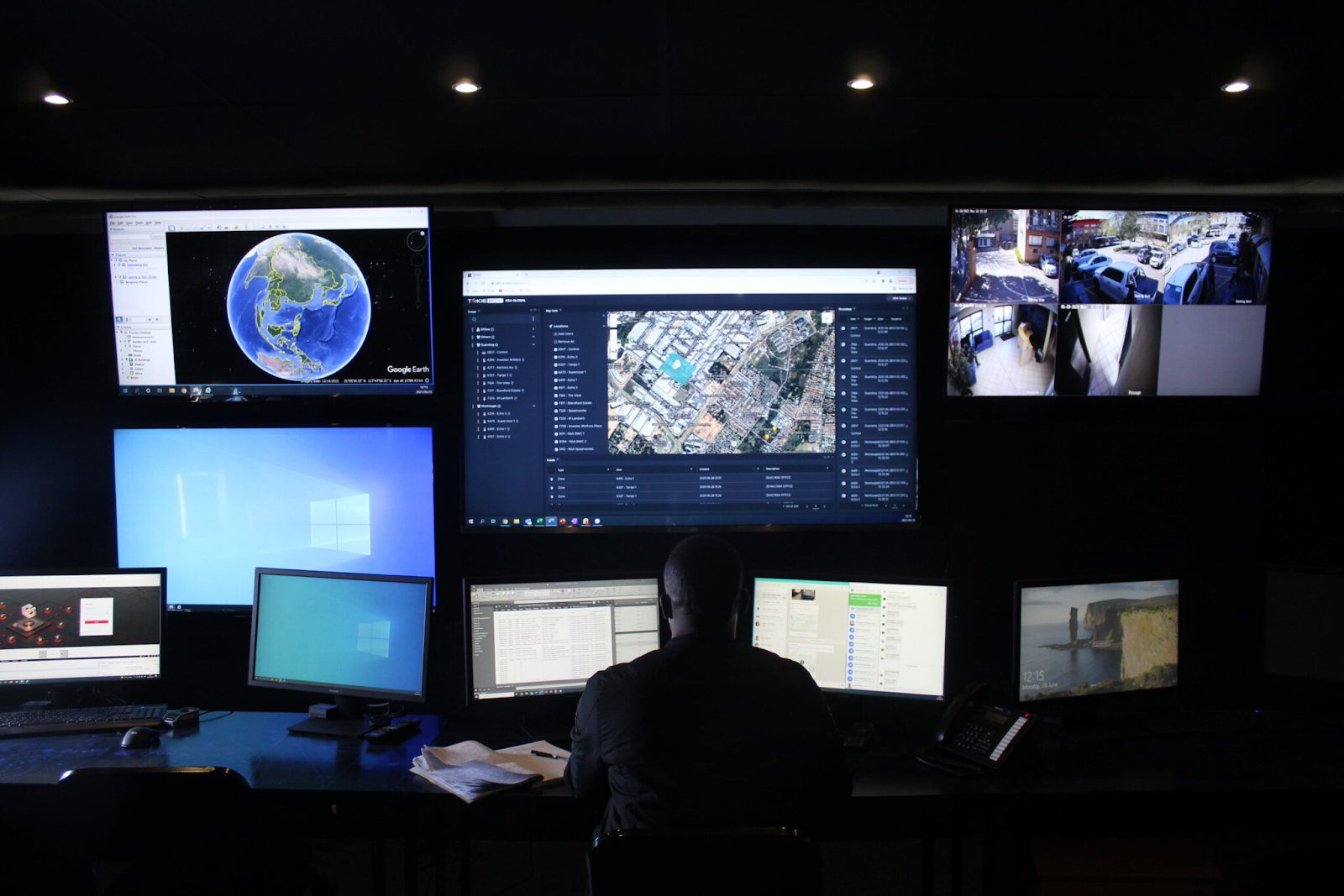
    To put it simply, digital authoritarianism is when authoritarian governments use cutting-edge technologies, such as artificial intelligence , surveillance systems, and data monitoring tools, to stifle dissent, govern political opposition, and restrict fundamental human rights, notably the freedoms of expression and privacy. In this light, technology becomes an instrument of state power, permitting new levels of surveillance and control over citizens’ digital activities. According to a report by Carnegie Endowment for International Peace, Governments utilizing digital authoritarianism leverage capabilities such as:  facial recognition, internet filtering, and data mining to follow, monitor, and manipulate public behavior, typically under the pretense of national security or public order.  To further illustrate the global scope of this issue, a second report written by the same think-tank also finds that 75 out of 176 countries are employing AI-powered surveillance tools, revealing the widespread adoption of such practices.

    This phenomena goes beyond traditional means of authoritarian control, as technology allows for the continuous and real-time surveillance of entire populations, with the potential to locate and isolate people or groups who resist or criticize the regime. Although the full extent of this is rarely documented and often unknown by the general public, studies by the V-Dem Institute at the University of Gothenburg suggest that 44% of the world’s population lives in countries where online freedom of expression is actively suppressed. In this climate, governments blatantly strip citizens of their autonomy and their basic human rights. In countries where digital authoritarianism is prevalent, individuals may face severe consequences for engaging in online activities deemed subversive, such as accessing forbidden content, participating in protests, or simply expressing dissenting opinions.  

     As authoritarian regimes continue to adopt more sophisticated technologies, the global community must confront the growing dangers posed by digital repression. Ensuring the protection of digital rights, such as freedom of speech, privacy, and access to information, is essential to safeguarding human dignity and maintaining the possibility of political resistance in the digital age. This extends beyond singular communities and minorities but also the future of democracy itself.