Tag: Human Rights

  • How Digital Spaces Reinforce Gender Violence in Saudi Arabia

    How Digital Spaces Reinforce Gender Violence in Saudi Arabia

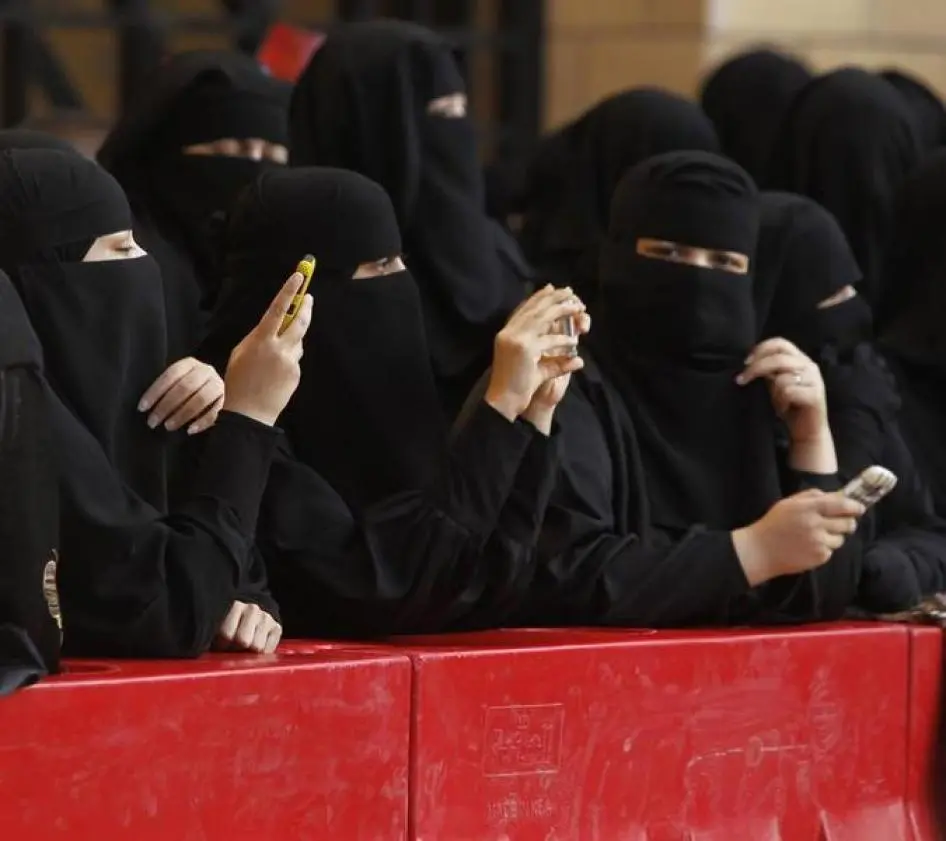
    Since 2019, Saudi Arabia has lifted many of the restrictions imposed on women under the male guardianship system, with Crown Prince MBS praising these measures as evidence of the kingdom’s progress towards gender equality. Among other reforms, women over 21 were granted the right to obtain passports and travel without a male guardian’s permission. Yet in practice, the reality of women’s autonomy in Saudi Arabia remains far more complex than any legislative amendment might suggest. Women remain constrained by enduring social prejudice and discriminatory attitudes, manifesting increasingly behind a layer of digital control. Saudi Arabia’s online spaces continue to reproduce patriarchal hierarchies, enabling online harassment and restrictions that limit women’s freedoms in the virtual sphere.

    The rise of an interconnected digital community on the internet has made Saudi women more visible and active in public discourse, something that was largely uncommon and impossible in the past. Yet women are heavily pressured and discouraged from engaging in online activism, their visibility often being perceived as a threat. The online presence of high-profile female activists has triggered significant levels of digital violence against women, including online verbal abuse, frequent unsolicited contact, and even stalking. According to recent studies, one in four women using internet platforms in Saudi Arabia has experienced at least one form of digital violence. This shows how, with formal guardianship laws now partially dismantled, discrimination has largely shifted into digital spaces, where it continues to reinforce offline social hierarchies.

    One of the most common tactics employed against women activists is the use of so-called “electronic armies”, composed of networks of coordinated social media users who assume false identities and conduct online hate campaigns to intimidate peaceful dissidents. Many of these actors operate as unofficial agents of the Saudi government. These groups communicate through encrypted platforms such as Telegram and Whatsapp, where they receive lists of targets to harass, meeting daily quotas of abusive messages and tweets. The impact of these digital attacks extends beyond the digital sphere, often escalating into physical harm.

    Saudi Arabia’s digital repression of women is not only domestic. It also targets exiled activists as part of a transnational network of repression that undermines digital rights and freedom of expression. According to a Freedom House report, women have been disproportionately targeted in the kingdom’s transnational campaigns in comparison to their male counterparts. In fact, since MBS’s rise to power, the government’s intensified gender-based repression coincided with a sharp increase in the number of Saudi women seeking asylum abroad. Yet, activists abroad remain subject to punitive measures, with Saudi authorities reportedly using spyware and online harassment to monitor and intimidate women.

    In light of this ongoing persecution, the government’s promotion of Digital Saudi 2030, a central part of the Vision 2030 initiative, appears deeply contradictory and deceiving. There is a concerning discrepancy between Saudi Arabia’s rhetoric of digital modernization and its continued use of censorship, surveillance and repression against activists. For example, the enactment of the Personal Status Law in 2022 was framed as a major reform in the struggle against gender discrimination. While the government celebrates the law, experts argue that it codifies several discriminatory practices, including the requirement for women to obtain a guardian’s consent to marry. Women’s rights activists in Saudi Arabia, who had long advocated for a codified Personal Status Law, were excluded from the drafting process and silenced when they sought to comment publicly on it. Many faced arbitrary arrest, detention, and travel bans, demonstrating the kingdom’s intolerance toward women’s civic participation. 

    A 2024 World Bank report on Women, Business, and the Law suggests a lack of mechanisms to ensure the effective implementation of laws relating to women’s rights in Saudi Arabia. This stems from insufficient supportive frameworks and government-led services that ensure the protection of women’s rights in practice. The findings reveal a disconnect between women’s growing participation in the digital economy and their continued vulnerability online. To address this gap, Saudi Arabia must move beyond its legislative promises and implement practical measures to protect women in digital spaces.
    Despite formal legal reforms, Saudi women continue to face higher risks of violence in digital spaces, highlighting how patriarchal norms remain deeply entrenched in society. Women who engage online are vulnerable to harassment and targeted repression by both state authorities and members of society. DR4G demands that the Saudi government implements comprehensive protections tailored to the specific forms of digital violence that women face. This must include safety measures and accessible resources to mitigate online harassment, as well as transparent investigations into violations by authorities. Only by aligning legislative reform with practical frameworks can women be protected from digital violations to make their voices heard in public discourse.

  • AI Regulation in Saudi Arabia: Innovation over Human Rights

    AI Regulation in Saudi Arabia: Innovation over Human Rights

    With the global rise of Artificial Intelligence (AI), countries have increasingly adopted regulations to restrict the use of this new technology, exemplified by the AI Act in the European Union. In contrast, Gulf governments have taken a more business-friendly approach to AI regulation, raising concerns about potential breaches of their populations’ privacy rights. Notably, Saudi Arabia has sought to create an attractive environment for data and AI businesses and has so far avoided implementing binding regulations.

    Saudi Arabia has invested heavily in AI as part of its Vision 2030 initiative and plans to integrate various AI technologies into its futuristic city-building project, Neom. These intentions raise significant concerns about potential human rights abuses by the Saudi government involving the use of AI, such as ChatGPT, the artificial intelligence language model making international headlines. These concerns are not limited to AI but extend to the misuse of a broader range of digital technologies. Recent high-profile cases involving Saudi Arabia include the use of digital technologies to spy on dissidents and their families overseas, as well as attempts to infiltrate Twitter to identify government opponents using anonymous accounts. Thus, AI presents yet another opportunity for the Saudi government to infringe on people’s most basic rights to privacy through surveillance and manipulation, exacerbating existing injustices.

    These concerns would be less severe if the Saudi government introduced rules to regulate AI. However, the kingdom has only issued guidelines for AI use, without enforcing any legally binding regulations. This absence of strict regulations means that the Saudi government could potentially violate international human rights laws and standards on privacy without breaching its own laws. Given Saudi Arabia’s tendency to disregard the international right to privacy with its current digital technology, this situation poses significant risks for the future of not only the Saudi population but also any person visiting their future mega city, Neom.

    To address these concerns, it is crucial for the international community to take action. Governments and international organizations should apply pressure on Saudi Arabia to implement comprehensive and binding AI regulations. Such regulations should ensure the protection of human rights and privacy, adhering to international standards. Additionally, countries should collaborate on establishing a global framework for AI governance that promotes ethical use and prevents abuses.

    Furthermore, multinational corporations and AI developers should be encouraged to adopt ethical guidelines and refuse to participate in projects that could lead to human rights violations. By fostering a culture of accountability and ethical responsibility, the international community can mitigate the risks associated with the misuse of AI technologies.

  • Why Digital Freedom is a Human Right and What We Can Do to Defend It.

    Why Digital Freedom is a Human Right and What We Can Do to Defend It.

    In an era where digital spaces shape political discourse, social movements, and individual expression, the right to digital freedom is more crucial than ever. Yet, around the world, authoritarian governments are leveraging technology to silence dissent, surveil citizens, and manipulate information. From mass surveillance to online censorship, digital repression has become a powerful tool for state control. This raises an urgent question: If access to information and freedom of expression are fundamental human rights, why is digital freedom not universally recognized as one?

    The Growing Threat to Digital Freedom

    Over the past decade, governments have increasingly weaponized technology to monitor and suppress activists, journalists, and political opponents. The Gulf region offers a critical example of this trend. In Bahrain, human rights activist Ebtisam Al-Saegh was repeatedly targeted with Pegasus spyware; an invasive surveillance tool developed by the Israeli NSO Group. According to Middle East Eye, her phone was hacked at least eight times between August and November 2019, granting authorities access to her private communications and movements (Read more about her experiences here insert link to blog)

    In particular, Saudi Arabia and the United Arab Emirates (UAE) have also deployed Pegasus to infiltrate the devices of activists and journalists. One of the most infamous cases was the hacking of Washington Post journalist Jamal Khashoggi and his associates before his assassination in 2018. According to The Guardian, forensic investigations confirmed that Saudi operatives used Pegasus to spy on individuals close to Khashoggi, highlighting how digital surveillance can have deadly consequences.

    Beyond spyware, governments also manipulate social media platforms to control narratives. X (formerly Twitter) has faced criticism for working in tandem with Gulf states to suppress dissent. In 2019, two former Twitter employees were convicted of spying for Saudi Arabia, accused of accessing private user data to identify regime critics. This demonstrates the risks posed by corporate complicity in digital repression.

    Why Digital Freedom is a Human Right

    The ability to communicate freely, access information, and express dissent without fear of surveillance or retaliation is fundamental to democratic societies. Digital freedom is an extension of core human rights, including:

    • Freedom of Expression (Article 19, UDHR): This right extends to the digital world, ensuring people can express opinions online without fear of censorship or persecution.
    • Right to Privacy (Article 12, UDHR): Governments and corporations should not have unregulated access to personal data, private messages, or location tracking without consent.
    • Access to Information (Article 19, ICCPR): The internet has become a primary source of knowledge.  The right to privacy has two factors: reactive and proactive. As such, restricting access through censorship, a lack of transparency,  or content manipulation undermines fundamental human rights outlined through these provisions.

    Yet, despite these protections, governments and corporations continue to erode digital rights through surveillance, censorship, and data exploitation.

    What Can Be Done to Defend Digital Freedom?
    1. Demand Accountability from Big Tech: 
      It is critical that tech giants such as Meta, Google, and Apple are held responsible for their role in enabling digital repression. We believe that companies should be required to disclose government surveillance requests, strengthen data protection policies, and resist cooperation with authoritarian regimes. Aside from ourselves, we recommend looking at advocacy groups like Access Now and Electronic Frontier Foundation, who also push for greater transparency and corporate accountability.
    2. Strengthen Legal Protections for Digital Rights:
      A huge priority within the digital right sphere is that Governments must establish stronger legal frameworks to protect digital freedom. The European Union’s General Data Protection Regulation provides a model for safeguarding user privacy, but similar protections need to be implemented globally. The UN has also called for an international treaty on digital rights to prevent state abuse of surveillance technologies. This is a clear next step for upholding accountability. 
    3. Support Encrypted and Open-Source Technologies:
      For activists, encryption tools such as Signal and ProtonMail provide secure communication channels resistant to government surveillance. In addition to this, open-source projects like Tor and Tails OS  may allow activists and journalists to browse the web anonymously, mitigating risks of state tracking. If you are currently in the gulf region and are experiencing these violations, you can also look at Redline for more information.  
    4. Amplify the Voices of Activists:
      When governments attempt to silence activists, international solidarity is critical. Sharing their stories, supporting legal defense funds, and pressuring governments through diplomatic channels can help counter digital repression. There are several organizations like ourselves, such as: Front Line Defenders, Red Line, Article 19 and Committee to Protect Journalists  that work tirelessly to support the fundamental freedoms of those affected by digital authoritarianism. 
    5. Advocate for a Global Ban on Spyware:
      Finally, international legislation has been demanded  as a result of the ongoing  misuse of spyware such as Pegasus. Apple filed a lawsuit against NSO Group in 2021, and the firm was placed on a U.S. federal blacklist for its involvement in permitting violations of human rights. But more has to be done to prevent private businesses from providing authoritarian governments with surveillance equipment.
    Conclusion

    Digital freedom is not just about technology; it is about human rights, democracy, and the ability to express political dissent  without fear. As governments and corporations continue to expand their control over digital spaces, it is up to civil society, lawmakers, and individuals to push back and protect our fundamental rights. ADHRB believes that The internet should be a tool for empowerment, not oppression. Whilst there is not a clear path, we believe that defending fundamental right to digital freedom starts  by lobbying for better safeguards, demanding corporate responsibility, and supporting people on the front lines of digital repression.

  • The Struggle Against Digital Authoritarianism: International Law Under Pressure

    The Struggle Against Digital Authoritarianism: International Law Under Pressure

    Digital authoritarianism has become a powerful tool for repressive regimes, weaponizing technology to suppress dissent, surveil citizens, and manipulate public discourse. While international legal frameworks exist to protect fundamental freedoms, they remain insufficient against the rapid evolution of digital repression. States exploit surveillance tools, censorship mechanisms, and cyber tactics to entrench control, exposing the inadequacies of global legal safeguards.

    International agreements enshrine rights frequently undermined by digital authoritarianism. The Universal Declaration of Human Rights (UDHR) affirms freedom of expression and access to information under Article 19,  yet regimes routinely impose internet shutdowns, block critical websites, and deploy state-sponsored disinformation to distort narratives. Similarly, the International Covenant on Civil and Political Rights (ICCPR) guarantees the right to privacy under Article 17, a protection rendered hollow by invasive spyware and mass surveillance masquerading as national security measures. While the Budapest Convention on Cybercrime  provides a foundation for countering cyber threats, it lacks the provisions necessary to confront state-backed digital repression, allowing governments to operate with impunity.

    In conflict zones, digital authoritarianism escalates instability and exacerbates human rights abuses. Governments and armed actors disregard International Humanitarian Law (IHL) principles such as distinction and proportionality, deploying mass surveillance and cyber offensives against activists, journalists, and civilians. Such tactics silence dissent, erode trust, and deepen societal divisions, using digital tools as instruments of coercion and fear.

    As seen within these examples, despite the existence of these international frameworks there are  significant challenges hindering their enforcement. One major issue is the global nature of digital technologies. Surveillance and cyberattacks often transcend national borders, complicating jurisdictional accountability. Secondly, private companies  supplying spyware and other surveillance tools operate with minimal oversight, enabling authoritarian practices. Finally, multilateral institutions lack robust enforcement mechanisms, making it difficult to hold states or private actors accountable for their role in digital oppression.

    To address these challenges, the international community must modernize legal frameworks to confront state-backed digital repression. In particular, strengthening the Budapest Convention to include specific provisions for addressing these issues is crucial. Additionally, stricter oversight of private entities involved in the surveillance industry is essential to ensure accountability. Multilateral institutions must also enhance their enforcement capabilities, enabling swift and effective responses to violations of digital rights.Without decisive reform, digital authoritarianism will continue to erode democratic values, human rights, and global stability. International law must adapt to the realities of the digital age, ensuring technology is used to empower people rather than oppress them. By safeguarding fundamental freedoms in the digital realm, the international community can reaffirm its commitment to justice, transparency, and accountability.

  • Silencing Dissent: The Case of Loujain Al Hathloul and Digital Violence in Saudi Arabia

    Silencing Dissent: The Case of Loujain Al Hathloul and Digital Violence in Saudi Arabia

    In the realm of human rights advocacy, few cases resonate as loudly as that of Loujain Al Hathloul, a leading women’s rights advocate from Saudi Arabia. Her story serves as a major instance of the widespread phenomenon of digital violence against women in the kingdom. Despite her brave efforts to challenge societal norms, Al Hathloul became a target of online abuse, highlighting the alarming use of digital platforms to suppress dissent and silence women’s voices, with the outcome of exacerbating the gender digital divide. In 2014, she defied the ban on women driving by attempting to cross the border from the United Arab Emirates into Saudi Arabia with her car, a courageous act that led to her arrest and imprisonment for 73 days. However, Al Hathloul’s activism did not end with her release. Instead, she continued to speak out against the injustices faced by women in Saudi Arabia, leveraging social media as a powerful tool for advocacy.

    One of the most insidious tactics employed against Al Hathloul was the use of digital violence. In her case, it manifested in the form of hacking her social media accounts, spreading false information about her online, and even impersonating her family members to undermine her credibility. The challenges faced by Loujain Al Hathloul resonate with those encountered by other women activists in Saudi Arabia, including Samar Badawi and Nassima Al-Sada. Samar Badawi, human rights defender, has long provoked Saudi authorities with her advocacy for women’s rights and political prisoners. Her 2018 arrest sparked global outrage and subjected her to digital harassment and defamation campaigns, aimed at discrediting her and diminishing her activism. Similarly, Nassima Al-Sada has faced relentless persecution for her advocacy efforts for women’s rights. Arrested in 2018 for her peaceful work, including campaigning against the male guardianship system, Al-Sada, like Al Hathloul and Badawi, has been subjected to digital violence, including hacking attempts and online harassment, in an effort to silence her and dissuade others from joining her cause.

    The intent behind digital violence against women’s right defenders is clear: to intimidate, discredit, and ultimately silence individuals who dare to speak out against the status quo. Attacks can manifest in various forms, including defamation campaigns, identity theft, and the creation of fraudulent accounts using women’s personal information. For instance, the Gulf Centre for Human Rights expressed alarm in an October 2019 statement regarding the use of “deepfake” technology targeting women human rights advocates through the manipulation of images, audio, video, and text, posing a serious threat to their safety. In the Arab States, nearly half of the women who suffered online violence in 2021 said to have experienced it at least once in their life, while the other half has been a victim of online harassment more than once. It is not a coincidence that Arab States have one of the widest gender divides as reported by the International Telecommunication Union in 2021, with 56% of women having online access compared to 68% of men. Digital violence exacerbates this gap by further marginalizing women in online spaces. When women are subjected to harassment, intimidation, and defamation online, it not only silences their voices but also creates a hostile environment that discourages their participation. Fear of online abuse can lead women to self-censor or withdraw from digital platforms altogether, limiting their access to information, resources and opportunities for skill development.

    By targeting Al Hathloul’s online exposure, the Saudi authorities sought to not only undermine her activism but also to send a warning message to others who might consider following in her footsteps. Authoritarian regimes primarily use restrictions on information dissemination to mitigate possible harm when faced with novel and unexpected challenges to the system and its core values. The most efficient tool at the disposal of authoritarian governments to prevent the spread of undesirable information is control over the media through a large market share of state-owned outlets that restricts access for independent media and suppresses social minorities’ voices. In this case, the reach of these attacks extended even beyond the borders of Saudi Arabia, reaching a global audience and implicating not just the Saudi government but also the tech companies that inadvertently facilitated these abuses.

    Al Hathloul’s case, much like Badawi’s and Al-Sada’s and many other women’s rights activists, serves to highlight the urgent need for greater protections against digital violence. Tech companies must be held accountable for safeguarding the online spaces they provide, ensuring that they are not complicit in the suppression of human rights. Moreover, governments and international organizations must take decisive action to hold perpetrators of digital violence accountable and ensure that those who dare to speak truth to power are protected from harm. Al Hathloul’s commitment to justice and equality is a powerful reminder of the importance of standing firm against digital violence and advancing human rights for all, both online and offline.

    Originally posted at ECDHR

  • Digital Threats to Bahraini Journalists: A Systematic Assault on Press Freedom

    Digital Threats to Bahraini Journalists: A Systematic Assault on Press Freedom

    Bahrain’s government has systematically weaponized digital technology to suppress independent journalism and control narratives critical of the regime. Through pervasive surveillance, censorship, and legal harassment, Bahraini authorities have created a hostile environment for journalists, targeting them with spyware and punitive laws to undermine their work and silence dissenting voices.

    Spyware such as Pegasus and FinFisher has been instrumental in this assault. These tools infiltrate journalists’ devices, granting authorities access to their calls, messages, contacts, and microphones. In 2014, FinFisher spyware was deployed to monitor the private communications of Bahraini journalists and activists, exposing them to legal and professional risks. Citizen Lab has further documented the use of Pegasus spyware on at least a dozen Bahraini activists and journalists since 2020. Such invasive surveillance compromises journalists’ ability to protect their sources, deepening systemic repression and exposing them to harassment, arrest, and public defamation.

    Bahraini authorities have systematically discredited and detained journalists to suppress independent reporting. Abduljalil Al-Singace, a human rights defender and blogger, has been imprisoned since 2011, serving a life sentence on charges of “plotting to overthrow the government,” highlighting the regime’s intolerance for investigative and critical journalism. Nabeel Rajab, another prominent journalist and activist, was arrested in 2012 for “insulting a statutory body” on Twitter, and although released in 2020, his case exemplifies the state’s criminalization of online dissent to silence influential voices. Similarly, Ali Mearaj and Hassan Qambar, detained in 2016 and 2018 for reporting on political unrest, remain excluded from recent amnesty efforts, further reflecting the selective and repressive nature of the regime’s policies.

    Bahrain’s legal framework reinforces its control over journalists. The 2014 Cybercrime Law criminalizes vague offenses such as spreading “false news” or “insulting state institutions,” enabling authorities to prosecute journalists arbitrarily. The penal code further punishes perceived offenses against the king or the government’s policies, silencing dissent and censoring online content.

    State-controlled internet providers block websites critical of the regime, and during periods of unrest, authorities impose internet shutdowns to stifle the dissemination of information. These measures ensure that independent journalism and online activism are either suppressed or forced into self-censorship.

    In 2021, the Bahrain Press Association documented 49 media freedom violations, including the arrest, harassment, and surveillance of journalists. These cases illustrate the extent of the government’s efforts to dismantle independent journalism. Journalists are frequently labeled as threats to national security, facing professional ostracization and reputational harm in addition to legal persecution.

    The Bahraini government’s reliance on digital surveillance has exacerbated the challenges faced by journalists. Tools like spyware not only compromise their professional work but also invade their personal lives, creating a pervasive sense of insecurity. The fear of being monitored curtails journalists’ ability to report freely, isolates them from sources, and fosters distrust within journalistic networks. This hyper-surveillance, combined with societal pressures, discourages many from pursuing critical reporting, leading to a chilling effect on press freedom.

    The international community must pressure Bahrain to adhere to its human rights obligations, including commitments to press freedom and privacy protections. As digital tools evolve, it is imperative to establish robust legal frameworks and oversight mechanisms to prevent the misuse of technology against journalists. Safeguarding independent journalism in Bahrain is essential to fostering transparency, accountability, and the fundamental right to freedom of expression. ADHRB calls for urgent reforms:

    • End the use of spyware to monitor journalists and uphold their right to privacy.
    • Amend vague and repressive laws, including the 2014 Cybercrime Law, to protect freedom of expression.
    • Release journalists and activists imprisoned for their work and opinions.
    • Establish safeguards to prevent surveillance and ensure the safety of journalists and their sources.

  • A Community Under Watch: The targeting of women activists using Pegasus Spyware in Bahrain

    A Community Under Watch: The targeting of women activists using Pegasus Spyware in Bahrain

    Bahrain’s government has increasingly weaponized digital technology to suppress dissent and maintain its authoritarian control. Through pervasive surveillance, online censorship, and targeted monitoring, authorities stifle freedom of expression and political mobilization, particularly targeting women activists. Reports from organizations such as Amnesty International and Citizen Lab reveal that Pegasus spyware, developed by the NSO Group, has been deployed against women human rights defenders, exposing a troubling pattern of gendered digital repression.

    Pegasus spyware infiltrates mobile devices, granting access to calls, messages, contacts, and even microphones. Activists targeted by this spyware face profound violations of privacy and heightened risks to their safety. For instance, Bahraini human rights activist Ebtisam Al-Saegh reportedly experienced harassment after her phone was infected with Pegasus, allowing authorities to monitor her private communications and isolate her from support networks. Such surveillance deepens systemic challenges, exposing women to social ostracization, legal threats, and reputational harm in conservative societies. In this particular case, Ebtisam Al-Saegh  was wrongfully charged with terrorism under “using human rights work as a cover to communicate and cooperate with Al Karama Foundation to provide them with information and fake news about the situation in Bahrain to undermine its status abroad” after speaking out about the atrocities committed against her and other Bharani women. 

    Such instances highlight the risk of surveillance and its harmful effects, potentially discouraging women and other activists from engaging in political advocacy or organizing protests. This hyper-surveillance fosters distrust within activist networks, eroding the solidarity necessary for effective collective action. Women often bear additional societal pressures, as breaches of their private data can lead to severe public shaming, perpetuating cultural norms that suppress their participation in public and political life.

    The psychological impact of constant monitoring is equally as unkind. Activists perceive a persistent sense of unease and loss of autonomy, as the fear of penalties prevents them from freely expressing themselves or engaging in open discourse. Women, in particular, face unique challenges due to their central roles in family communication networks. Surveillance not only compromises their activism but also endangers their loved ones, forcing many to withdraw from advocacy efforts to shield their families from harm.

    In this respect, Bahrain’s surveillance regime exemplifies how technology is wielded to deepen existing gender inequalities and silence marginalized voices. For women activists, the digital repression compounds societal constraints, isolating them from their communities and restricting their ability to participate in movements for justice and equality.

    Countering such abuses requires robust international pressure and grassroots resilience. ADHRB Americans for Democracy & Human Rights in Bahrain call  on the Bahraini government to end its digital authoritarian practices and uphold its human rights obligations. This includes amending vague cybercrime laws that criminalize dissent, releasing individuals imprisoned for expressing their opinions, and ensuring the protection of privacy and freedom of expression for all citizens. As digital tools evolve, safeguarding civil liberties, especially for vulnerable groups, must remain a priority in the fight against authoritarianism.

  • Transnational repression: a tool that extends authoritarian government’s capacity for repression

    Transnational repression: a tool that extends authoritarian government’s capacity for repression

    Perhaps not-so-well-known, transnational repression constitutes a threat to human rights that has been going on for decades. The phenomenon, which entails governments reaching beyond their borders to silence or deter dissent by committing human rights abuses against their nationals or former nationals, has been extensively documented by Human Rights Watch. The 2018 murder and dismemberment of journalist Jamal Khashoggi by Saudi Arabia brought this issue to popular awareness.

    Alongside killings, the methods of transnational repression include unlawful removals (expulsions, extraditions, and deportations), abductions and forced disappearances, targeting of relatives, abuse of consular services, and digital transnational repression. Government critics, dissidents, human rights defenders, civil society activists, journalists, opposition party members, and their families and friends are the main victims of this type of repression. In addition, women as a group are specially targeted when attempting to flee their families or their government´s restrictive laws. Several cases reported in Saudi Arabia and Bahrain exemplify this burdensome reality.

    In January 2022, after the Bahraini authorities issued a Red Notice through the International Criminal Police Organization (Interpol), Ahmed Jaffer Muhammad, a Bahraini critic of the government, was extradited from Serbia, the country he had previously fled after suffering torture and ill-treatment when detained in Bahrain. Serbia did so while ignoring an order from the European Court of Human Rights (ECHR) pending more information on the risks of mistreatment. Now, the critic is serving life in prison in Bahrain following allegations that he was tortured while in custody.

    Saudi women are among those who have tried to flee their families to escape the rules of a strict male guardianship system that denies them the autonomy to make decisions about their own lives. Families of these women, supported by Saudi authorities, had tried to bring them back, sometimes successfully. In April 2017, Dina Ali Lasloom aimed to flee their family by flying to Australia, but when transiting in Manila, she was prevented from boarding the plane to her final destination. Apparently, two airline security officials and two men -later confirmed as Lasloom’s uncles- were seen carrying her with duct tape on her mouth, feet, and hands. According to Bloomberg, after being sent back to Saudi Arabia, Lasloom was held without charge under protective custody in a detention facility for women under 30 years until the authorities could resolve the case. In January 2019, Rahaf Mohammed al-Qunun also attempted to flee her family by traveling to Australia. During a connection in Thailand, however, she was stopped by the Thai authorities, who planned to put her on a flight back home. Global pressure on the Asian country was essential to allow her to travel to Canada, where she finally received asylum.

    It is also worth emphasizing the government’s punishment of the families of individuals who abandon the country following persecution. In this sense, there are instances where relatives have been harassed, threatened, arbitrarily arrested, banned from traveling abroad, and even killed. In Bahrain, authorities have targeted the wife, son, and brother and mother-in-law of the founder of the Bahrain Institute for Human Rights and Democracy –Sayed al-Wadaei-, in exile in the UK. The families of Omar Abdulaziz, a Saudi dissident based in Canada, and of Saad Al-Jabri, a former top Saudi intelligence official, suffered similar repression in Saudi Arabia.

    Although mostly understood as referring to authoritarian governments, cases of transnational repression have also been assisted by democratic administrations, as seen in Serbia’s involvement in the extradition of a Bahraini dissident. Furthermore, this case also highlights governments’ misuse of Interpol’s red notices to target human rights activists abroad. Red notices, formal requests of the National Central Bureaus (NCBs) in the organization, are issued to locate wanted individuals for detention, arrest, or restriction of movement. When put to the wrong use, these notices represent a major concern, especially in countries with authoritarian regimes. In the Arab Gulf region, for example, this has become a political strategy used by governments to suppress dissent and target political opponents. With this, a need for increased vigilance and reform within Interpol’s operational framework has emerged.

    Sometimes downplayed, the phenomenon of transnational repression should be as disturbing as the efforts of some governments to silence dissent or target human rights defenders at home. Also, this practice demands putting pressure on compliant democratic countries, which should be easier to hold accountable. However, more scrutiny must be exerted around this reality to accomplish this endeavor.

    Written By ADHRB INTERN.

  • Cyber Surveillance in Bahrain: The New Tool of Repression Against Activists 

    Cyber Surveillance in Bahrain: The New Tool of Repression Against Activists 

    Human Rights Watch and independent security researchers have reported that Bahrain’s government leverages digital technology to monitor and restrict citizens, especially activists, in ways that closely resemble its strict control over public spaces. While no direct evidence shows continuous surveillance, corporate leaks and research reveal that Bahrain has sought intrusive software, largely from Western firms, that could potentially infringe on citizens’ privacy rights. Alongside this investigative journalism, the Human Rights Watch has documented accounts from activists, detailing a pattern of digital surveillance and control aimed at silencing dissent.

    A key tool of concern about Bahrain’s tyranny is the mandate of apps such as; BeAware Bahrain, which integrates tracking features. Initially deployed for contact tracing during the COVID pandemic, this app monitors users in real-time, gathering extensive location and health data, which raises privacy concerns given mandatory ID registration. According to Amnesty International, BeAware Bahrain was even connected to a public TV show that randomly verified quarantine compliance, intensifying government scrutiny. This gave the authorities additional leverage to monitor individuals without their explicit consent, expanding the scope of surveillance beyond health measures into broader political and social control.

    This connection to public television and other surveillance mechanisms signaled a troubling overlap between public health initiatives and authoritarian control. The TV show, which was an unconventional method of verifying compliance, heightened concerns from international advocates about state overreach. It also led to fears among activists and opposition members that their movements could be tracked, potentially leading to arbitrary detentions or reprisals for political dissent.

    Digital authoritarianism in Bahrain goes beyond surveillance and censorship; it extends into the lives of individuals in nearly every aspect. Although there are no direct cases that link the unjust arrests of activists to these softwares, activists are increasingly aware that any internet comment, tweet, or post might be  heavily scrutinized and used against them. The psychological toll on activists is immense. The knowledge that every digital move could be tracked leads to a pervasive sense of insecurity. In interviews with The Guardian, activists have explained how their awareness of being surveilled has stifled their ability to organize protests, advocate for reforms, or even criticize the government openly online. This creates a vacuum that both inhibits the capacity to mobilize for change as well as political discourse. According to The Human Rights Watch, citizens are less inclined to plan rallies, push for reform, or call attention to injustices if they are scared to voice their grievances both online and offline. However, for those who dare to challenge the regime, the consequences are often severe and are often  detained, interrogated, and even tortured in custody. And for many activists, this risk has become too high, allowing the government to continue to violate human rights, whilst avoiding accountability.