Tag: Journalist Repression

  • From Egypt to the Gulf: How Regional Cybercrime Laws Are Criminalizing Peaceful Dissent

    From Egypt to the Gulf: How Regional Cybercrime Laws Are Criminalizing Peaceful Dissent


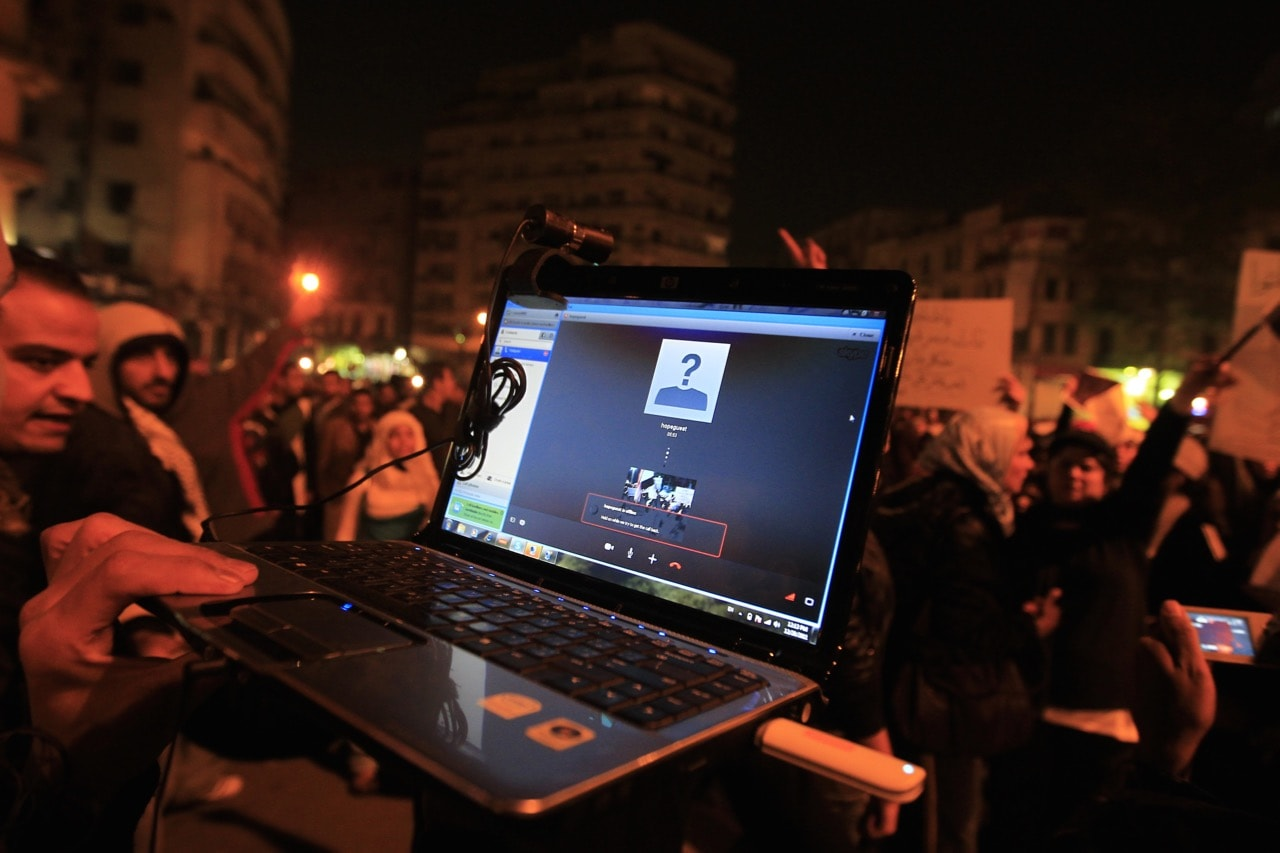
    The arbitrary detention of Egyptian journalist Ismail Iskandarani over recent Facebook posts, just two days after President Sisi pardoned six imprisoned activists, exposes Egypt’s harsh political reality: occasional gestures of leniency masks ongoing repression. Iskandarani was  accused of “spreading false news” and “inciting terrorist acts”  even though under Human Rights law this is considered to constitute protected peaceful speech. This represents a broader pattern of intolerance towards independent journalism and online dissent, particularly it highlights the legal loopholes in Egypt’s cybercrime legislation, mirroring similar laws across the Gulf that continue to undermine freedom of expression and Speech.

    Since taking office in 2014, President Sisi has transformed Egypt into one of the most repressive environments for journalism, with over 170 journalists imprisoned and over 500 news websites blocked in the past decade. This suppression of  press freedom follows a wider regional trend across the Gulf, where governments continue to criminalize free speech. Saudi Arabia and the UAE rank 162nd and 164th out of 180, respectively, in the World Press Freedom Index. In Qatar, recent arrests of two online activists who peacefully criticized the government further underscore the region’s tightening grip on digital expression.

    Throughout the MENA region, cybercrime legislation has emerged as a central instrument of digital repression, allowing authorities wide discretion to police online speech. Egypt’s Anti-Cybercrime Law provides authorities with a discretionary power to restrict access to any website deemed a threat to national security. As noted by AFTE, an Egyptian NGO, the term ‘national security’ is so broadly defined that it effectively covers anything related to the stability and security of the nation, the President’s affairs, and the work of its government-affiliated agencies. The law’s extensive scope permits the arbitrary prosecution of almost any political commentary, placing journalists covering government-related matters at constant risk of prosecution.

    Egypt’s cybercrime framework exhibits key flaws that closely resemble those in the Gulf. In fact, according to a Chatham House report most GCC countries have adopted cybercrime laws whose content directly conflicts with international human rights law. Furthermore, the absence of procedural rules for cybercrime prosecutions means that electronic evidence is treated the same as physical evidence, creating a significant gap in the legal system and preventing the proper handling of digital data. These structural weaknesses grant authorities greater control over cybercrime investigations and enable the judiciary to interpret the laws in its favour, opening the door to potential violations of the right to a fair trial.

    For instance, the UAE’s 2021 Combatting Rumours and Cybercrime Law further restricts the legality of peaceful criticism through its provisions. Article 22 criminalizes online sharing of any information or documents that “may harm the State’s interests”, without clearly defining what constitutes a threat to the State or specifying maximum sentences. This legal ambiguity creates the risk of disproportionate punishment, as in the case of human rights activist Ahmed Mansoor, sentenced to ten years of prison for his online activity. 

    Cybercrime legislation across the MENA and GCC region remains harsh and deeply problematic. Its vaguely defined provisions enable authorities to exercise broad discretion and impose arbitrary sentences, placing all peaceful dissenters at risk. Digital Rights 4 Gulf calls on governments across Egypt and the Gulf to stop weaponizing cybercrime laws against their own citizens. As the internet becomes the main platform for activism and public discourse, it is imperative that governments including Egypt and the GCC countries adopt clearer, more narrowly defined laws to ensure the protection of digital rights and freedom of expression. 
  • Remembering Jamal Khashoggi​: Seven Years Later

    Remembering Jamal Khashoggi​: Seven Years Later

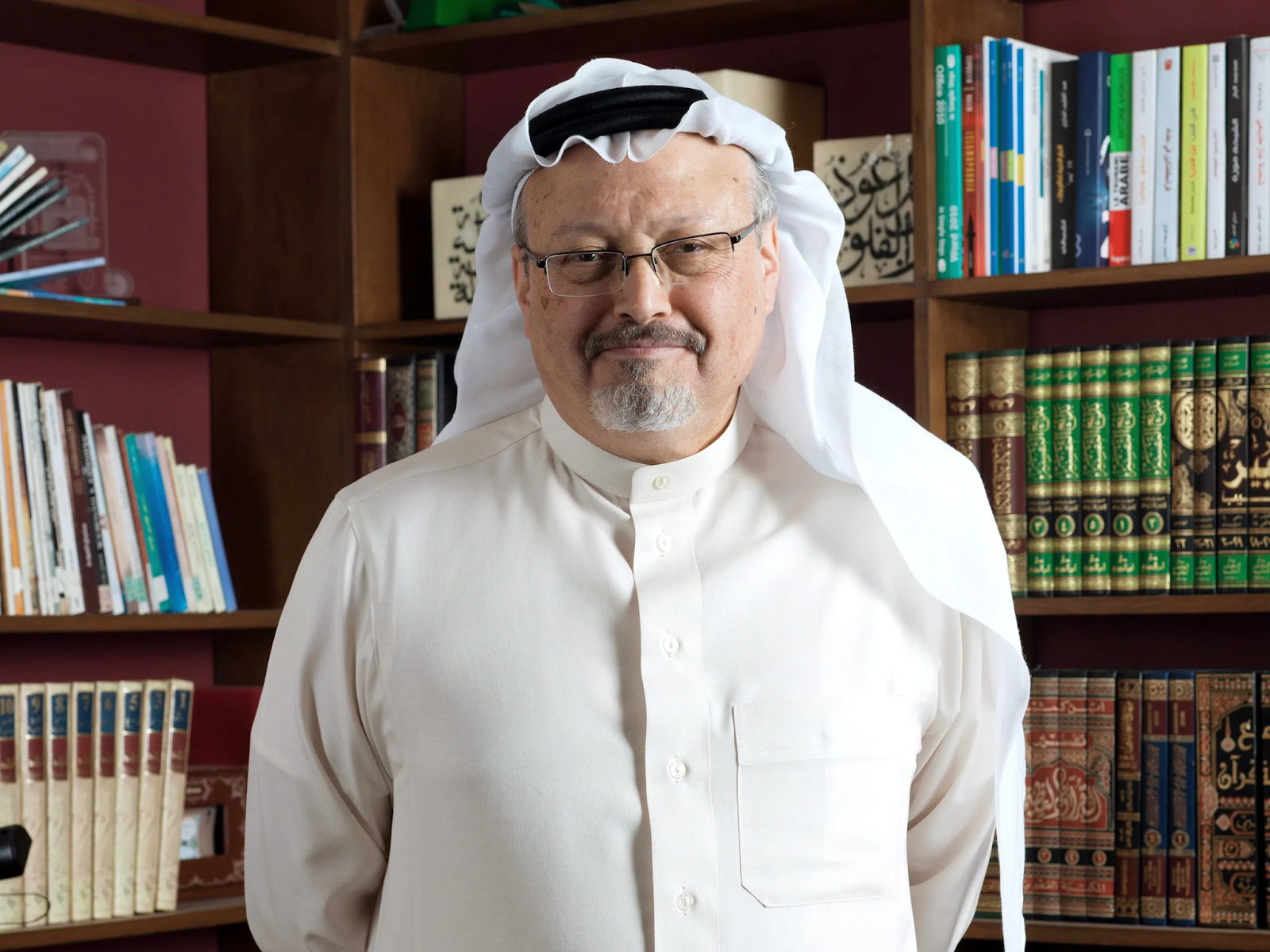
    Seven years after the shocking murder of Washington Post journalist Jamal Khashoggi, a Saudi citizen and outspoken critic of the Saudi government, DR4G continues to denounce the absence of justice in his case. We once again call for an independent and impartial investigation into the responsibility of senior Saudi officials, including Crown Prince Mohammed bin Salman; not only for Khashoggi, but for all those targeted through digital surveillance and cross-border repression.

    Khashoggi, a critic of Saudi Arabia’s Crown Prince Mohammed bin Salman (MBS), was murdered inside the Saudi consulate in Istanbul. Despite international outrage and comprehensive UN and US investigations, the main perpetrators have faced seemingly no accountability.​

    The Man Behind the Story: 

    Before his name became synonymous with one of the most shocking political murders of our time, Jamal Khashoggi was a journalist committed to the ideals of a freer and more open Arab world. Since his death, friends and colleagues have recalled his warmth, humility, and unwavering belief in dialogue over division. Though he once advised members of the Saudi elite, he grew increasingly critical of the government’s suppression of dissent and concentration of power. In his final column, published posthumously, he argued that “what the Arab world needs most is free expression,” Though that conviction cost him his life, his words continue to inspire journalists, activists, and citizens who refuse to remain silent in the face of repression 

    Clear evidence of impunity:  

    In June 2019, UN Special Rapporteur Agnes Callamard released a detailed report concluding that Khashoggi’s murder was a “premeditated execution” for which Saudi Arabia was responsible. The report provided credible evidence linking MBS to the crime and called for an international investigation and sanctions against high-level officials. The report emphasized that the operation required substantial human and financial resources, indicating direct involvement and approval at the highest levels of the Saudi state. Callamard also criticized the Saudi trial of suspects, describing it as lacking transparency and not conducted in “good faith”. However, these recommendations continue to be ignored. The Saudi government dismissed the report as biased and unfounded, and to this day refuses to cooperate with international investigators or allow access to key evidence. 

    Additionally, an investigation by US national security agencies in 2021 also found that the crown prince had most likely approved the “capture or kill” operation. That assessment was based on the prince’s control in decision making, the direct involvement of a key adviser and members of Muhammad bin Salman’s protective detail in the operation, and the Crown Prince’s support for using violent measures to silence dissidents abroad, including Khashoggi. These findings concluded that it is highly unlikely that officials would have carried out such an operation without authorization. 

    The Saudi government denied these claims and has labeled them as “biased and unfounded”. To this day, they refuse to cooperate with international investigators or allow access to key evidence. 

    No clear path for Justice: 

    However, the international community has still not committed to taking on a meaningful role for justice. While some countries imposed sanctions on individuals involved in the murder, these measures stopped short of targeting MBS. The United States introduced a resolution called the “Khashoggi Ban,” restricting visas for 76 Saudi individuals believed to be involved in counter-dissident activities, but did not sanction the Crown Prince himself. Similarly, the UK sanctioned 20 Saudi officials but excluded MBS. This lack of decisive action has been criticized by human rights advocates as a failure to uphold international justice.​

    Rather than pursuing real accountability, the Khashoggi case became a political tool. U.S. administrations, both under Trump and Biden, used it for leverage against Riyadh. Even with a CIA assessment pointing to MBS’s direct involvement, the case was quietly dropped. Both presidents publicly promised justice, but neither followed through; choosing political expediency over principle.

    This pattern highlights how Western governments often prioritise economic and strategic interests over human rights. The U.S., in particular, not only helped bury the case but also played a key role in rehabilitating MBS’s image as a “modernising reformer,” effectively allowing the crime to be swept under the rug.

    Despite the continued push for justice, the recommendations have largely been ignored. The Saudi trial resulted in the conviction of lower-level operatives, but key figures including Saud al-Qahtani, a close adviser to MBS,  and The Crown Prince himself faced no legal consequences. 

    A Continued Pattern:

    Khashoggi’s assassination is not an isolated incident but part of a growing trend of journalist and transnational repression. Freedom House has documented 854 incidents of such repression from 38 governments in 91 countries between 2014 and 2022. Authoritarian regimes, including Saudi Arabia, China, and Russia, have increasingly targeted dissidents abroad through surveillance, harassment, and violence.

    In the U.K., Saudi exiles have reported threats and intimidation, including death threats and harassment of family members back home. Despite these reports, British authorities have been criticized for failing to take adequate action, with some activists accusing the government of “turning a blind eye” due to diplomatic and economic ties with Saudi Arabia.

    The Path Forward: 

    As of October 2025, the main perpetrators of Khashoggi’s murder remain unpunished. This acts as a reminder of a dangerous reality: without collective action, authoritarian regimes will continue to weaponize technology to silence dissent beyond their borders. DR4G believes that we must do more to uphold digital rights, protecting press freedom. Thus, implementing the UN’s recommendations, including independent investigations and targeted sanctions, is crucial to deter future violations and uphold the principles of human rights and freedom of expression.​

  • Digital Threats to Bahraini Journalists: A Systematic Assault on Press Freedom

    Digital Threats to Bahraini Journalists: A Systematic Assault on Press Freedom

    Bahrain’s government has systematically weaponized digital technology to suppress independent journalism and control narratives critical of the regime. Through pervasive surveillance, censorship, and legal harassment, Bahraini authorities have created a hostile environment for journalists, targeting them with spyware and punitive laws to undermine their work and silence dissenting voices.

    Spyware such as Pegasus and FinFisher has been instrumental in this assault. These tools infiltrate journalists’ devices, granting authorities access to their calls, messages, contacts, and microphones. In 2014, FinFisher spyware was deployed to monitor the private communications of Bahraini journalists and activists, exposing them to legal and professional risks. Citizen Lab has further documented the use of Pegasus spyware on at least a dozen Bahraini activists and journalists since 2020. Such invasive surveillance compromises journalists’ ability to protect their sources, deepening systemic repression and exposing them to harassment, arrest, and public defamation.

    Bahraini authorities have systematically discredited and detained journalists to suppress independent reporting. Abduljalil Al-Singace, a human rights defender and blogger, has been imprisoned since 2011, serving a life sentence on charges of “plotting to overthrow the government,” highlighting the regime’s intolerance for investigative and critical journalism. Nabeel Rajab, another prominent journalist and activist, was arrested in 2012 for “insulting a statutory body” on Twitter, and although released in 2020, his case exemplifies the state’s criminalization of online dissent to silence influential voices. Similarly, Ali Mearaj and Hassan Qambar, detained in 2016 and 2018 for reporting on political unrest, remain excluded from recent amnesty efforts, further reflecting the selective and repressive nature of the regime’s policies.

    Bahrain’s legal framework reinforces its control over journalists. The 2014 Cybercrime Law criminalizes vague offenses such as spreading “false news” or “insulting state institutions,” enabling authorities to prosecute journalists arbitrarily. The penal code further punishes perceived offenses against the king or the government’s policies, silencing dissent and censoring online content.

    State-controlled internet providers block websites critical of the regime, and during periods of unrest, authorities impose internet shutdowns to stifle the dissemination of information. These measures ensure that independent journalism and online activism are either suppressed or forced into self-censorship.

    In 2021, the Bahrain Press Association documented 49 media freedom violations, including the arrest, harassment, and surveillance of journalists. These cases illustrate the extent of the government’s efforts to dismantle independent journalism. Journalists are frequently labeled as threats to national security, facing professional ostracization and reputational harm in addition to legal persecution.

    The Bahraini government’s reliance on digital surveillance has exacerbated the challenges faced by journalists. Tools like spyware not only compromise their professional work but also invade their personal lives, creating a pervasive sense of insecurity. The fear of being monitored curtails journalists’ ability to report freely, isolates them from sources, and fosters distrust within journalistic networks. This hyper-surveillance, combined with societal pressures, discourages many from pursuing critical reporting, leading to a chilling effect on press freedom.

    The international community must pressure Bahrain to adhere to its human rights obligations, including commitments to press freedom and privacy protections. As digital tools evolve, it is imperative to establish robust legal frameworks and oversight mechanisms to prevent the misuse of technology against journalists. Safeguarding independent journalism in Bahrain is essential to fostering transparency, accountability, and the fundamental right to freedom of expression. ADHRB calls for urgent reforms:

    • End the use of spyware to monitor journalists and uphold their right to privacy.
    • Amend vague and repressive laws, including the 2014 Cybercrime Law, to protect freedom of expression.
    • Release journalists and activists imprisoned for their work and opinions.
    • Establish safeguards to prevent surveillance and ensure the safety of journalists and their sources.