Tag: Saudi Arabia

  • How Digital Spaces Reinforce Gender Violence in Saudi Arabia

    How Digital Spaces Reinforce Gender Violence in Saudi Arabia

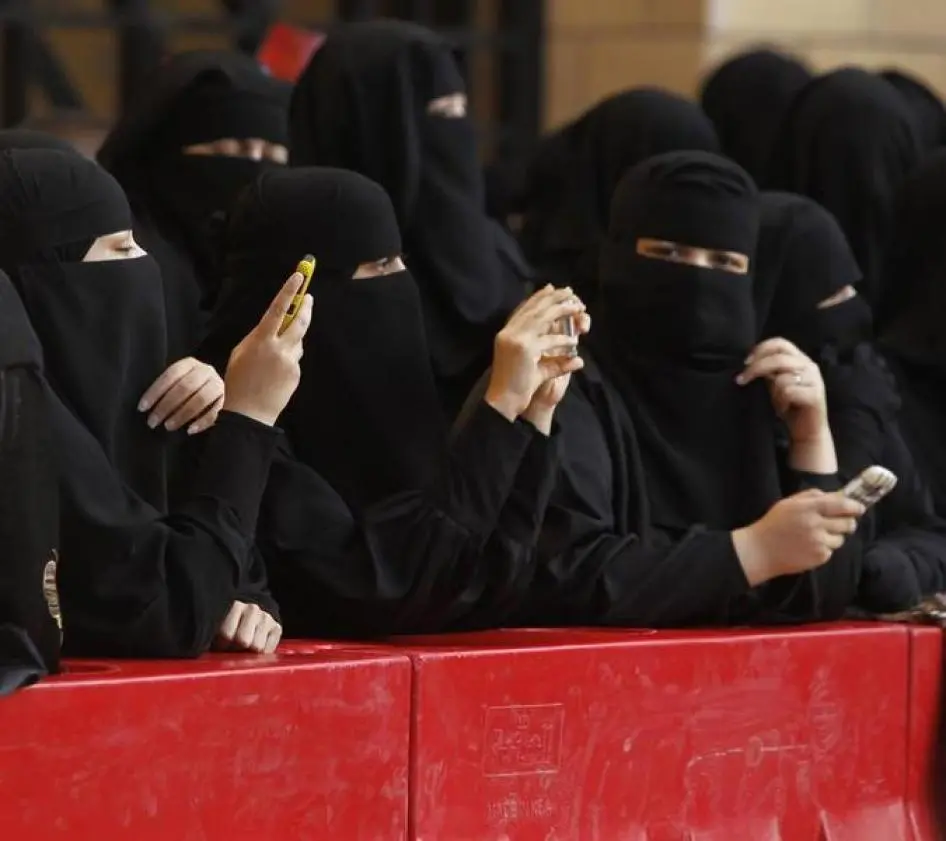
    Since 2019, Saudi Arabia has lifted many of the restrictions imposed on women under the male guardianship system, with Crown Prince MBS praising these measures as evidence of the kingdom’s progress towards gender equality. Among other reforms, women over 21 were granted the right to obtain passports and travel without a male guardian’s permission. Yet in practice, the reality of women’s autonomy in Saudi Arabia remains far more complex than any legislative amendment might suggest. Women remain constrained by enduring social prejudice and discriminatory attitudes, manifesting increasingly behind a layer of digital control. Saudi Arabia’s online spaces continue to reproduce patriarchal hierarchies, enabling online harassment and restrictions that limit women’s freedoms in the virtual sphere.

    The rise of an interconnected digital community on the internet has made Saudi women more visible and active in public discourse, something that was largely uncommon and impossible in the past. Yet women are heavily pressured and discouraged from engaging in online activism, their visibility often being perceived as a threat. The online presence of high-profile female activists has triggered significant levels of digital violence against women, including online verbal abuse, frequent unsolicited contact, and even stalking. According to recent studies, one in four women using internet platforms in Saudi Arabia has experienced at least one form of digital violence. This shows how, with formal guardianship laws now partially dismantled, discrimination has largely shifted into digital spaces, where it continues to reinforce offline social hierarchies.

    One of the most common tactics employed against women activists is the use of so-called “electronic armies”, composed of networks of coordinated social media users who assume false identities and conduct online hate campaigns to intimidate peaceful dissidents. Many of these actors operate as unofficial agents of the Saudi government. These groups communicate through encrypted platforms such as Telegram and Whatsapp, where they receive lists of targets to harass, meeting daily quotas of abusive messages and tweets. The impact of these digital attacks extends beyond the digital sphere, often escalating into physical harm.

    Saudi Arabia’s digital repression of women is not only domestic. It also targets exiled activists as part of a transnational network of repression that undermines digital rights and freedom of expression. According to a Freedom House report, women have been disproportionately targeted in the kingdom’s transnational campaigns in comparison to their male counterparts. In fact, since MBS’s rise to power, the government’s intensified gender-based repression coincided with a sharp increase in the number of Saudi women seeking asylum abroad. Yet, activists abroad remain subject to punitive measures, with Saudi authorities reportedly using spyware and online harassment to monitor and intimidate women.

    In light of this ongoing persecution, the government’s promotion of Digital Saudi 2030, a central part of the Vision 2030 initiative, appears deeply contradictory and deceiving. There is a concerning discrepancy between Saudi Arabia’s rhetoric of digital modernization and its continued use of censorship, surveillance and repression against activists. For example, the enactment of the Personal Status Law in 2022 was framed as a major reform in the struggle against gender discrimination. While the government celebrates the law, experts argue that it codifies several discriminatory practices, including the requirement for women to obtain a guardian’s consent to marry. Women’s rights activists in Saudi Arabia, who had long advocated for a codified Personal Status Law, were excluded from the drafting process and silenced when they sought to comment publicly on it. Many faced arbitrary arrest, detention, and travel bans, demonstrating the kingdom’s intolerance toward women’s civic participation. 

    A 2024 World Bank report on Women, Business, and the Law suggests a lack of mechanisms to ensure the effective implementation of laws relating to women’s rights in Saudi Arabia. This stems from insufficient supportive frameworks and government-led services that ensure the protection of women’s rights in practice. The findings reveal a disconnect between women’s growing participation in the digital economy and their continued vulnerability online. To address this gap, Saudi Arabia must move beyond its legislative promises and implement practical measures to protect women in digital spaces.
    Despite formal legal reforms, Saudi women continue to face higher risks of violence in digital spaces, highlighting how patriarchal norms remain deeply entrenched in society. Women who engage online are vulnerable to harassment and targeted repression by both state authorities and members of society. DR4G demands that the Saudi government implements comprehensive protections tailored to the specific forms of digital violence that women face. This must include safety measures and accessible resources to mitigate online harassment, as well as transparent investigations into violations by authorities. Only by aligning legislative reform with practical frameworks can women be protected from digital violations to make their voices heard in public discourse.

  • Remembering Jamal Khashoggi​: Seven Years Later

    Remembering Jamal Khashoggi​: Seven Years Later

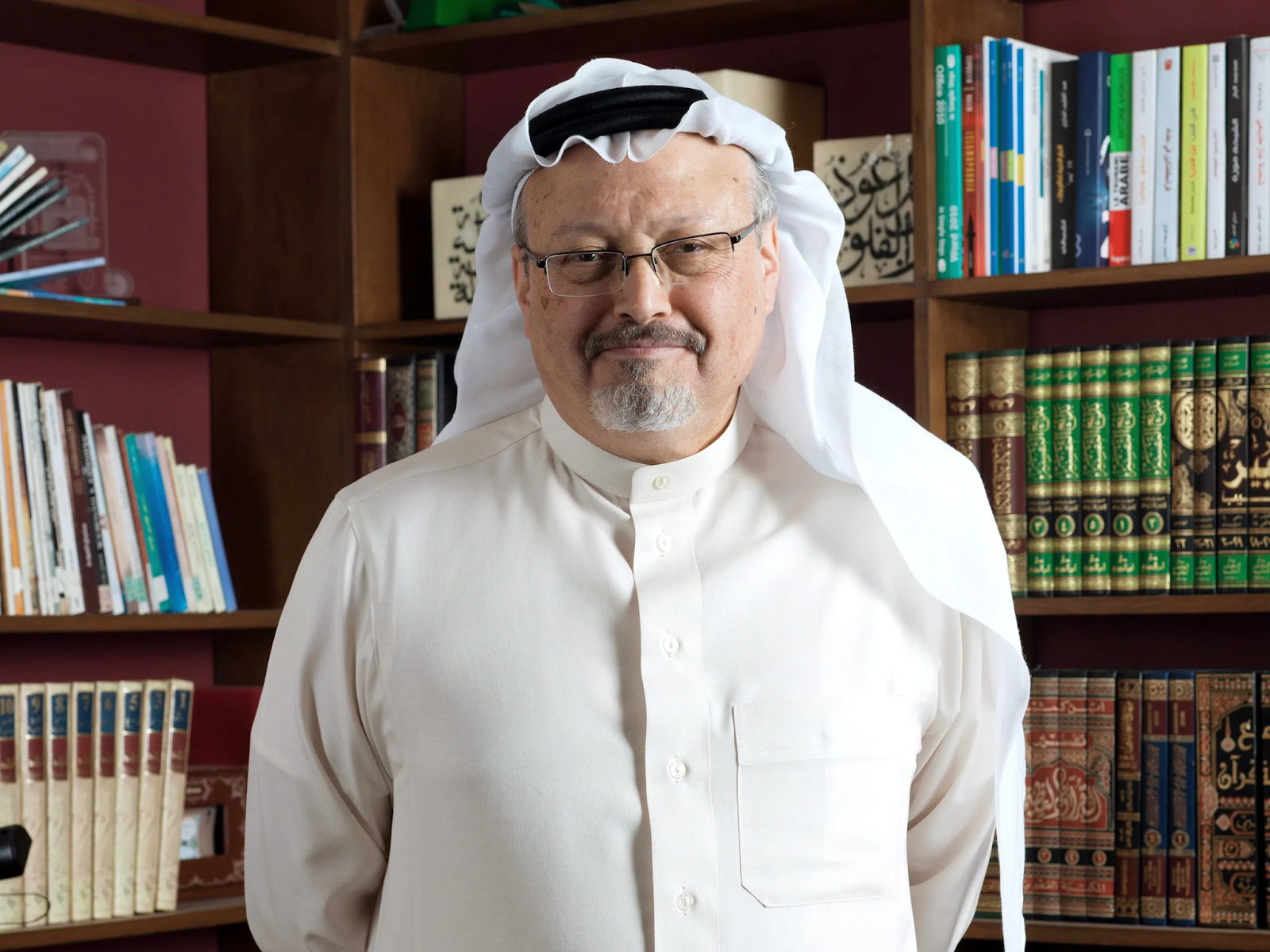
    Seven years after the shocking murder of Washington Post journalist Jamal Khashoggi, a Saudi citizen and outspoken critic of the Saudi government, DR4G continues to denounce the absence of justice in his case. We once again call for an independent and impartial investigation into the responsibility of senior Saudi officials, including Crown Prince Mohammed bin Salman; not only for Khashoggi, but for all those targeted through digital surveillance and cross-border repression.

    Khashoggi, a critic of Saudi Arabia’s Crown Prince Mohammed bin Salman (MBS), was murdered inside the Saudi consulate in Istanbul. Despite international outrage and comprehensive UN and US investigations, the main perpetrators have faced seemingly no accountability.​

    The Man Behind the Story: 

    Before his name became synonymous with one of the most shocking political murders of our time, Jamal Khashoggi was a journalist committed to the ideals of a freer and more open Arab world. Since his death, friends and colleagues have recalled his warmth, humility, and unwavering belief in dialogue over division. Though he once advised members of the Saudi elite, he grew increasingly critical of the government’s suppression of dissent and concentration of power. In his final column, published posthumously, he argued that “what the Arab world needs most is free expression,” Though that conviction cost him his life, his words continue to inspire journalists, activists, and citizens who refuse to remain silent in the face of repression 

    Clear evidence of impunity:  

    In June 2019, UN Special Rapporteur Agnes Callamard released a detailed report concluding that Khashoggi’s murder was a “premeditated execution” for which Saudi Arabia was responsible. The report provided credible evidence linking MBS to the crime and called for an international investigation and sanctions against high-level officials. The report emphasized that the operation required substantial human and financial resources, indicating direct involvement and approval at the highest levels of the Saudi state. Callamard also criticized the Saudi trial of suspects, describing it as lacking transparency and not conducted in “good faith”. However, these recommendations continue to be ignored. The Saudi government dismissed the report as biased and unfounded, and to this day refuses to cooperate with international investigators or allow access to key evidence. 

    Additionally, an investigation by US national security agencies in 2021 also found that the crown prince had most likely approved the “capture or kill” operation. That assessment was based on the prince’s control in decision making, the direct involvement of a key adviser and members of Muhammad bin Salman’s protective detail in the operation, and the Crown Prince’s support for using violent measures to silence dissidents abroad, including Khashoggi. These findings concluded that it is highly unlikely that officials would have carried out such an operation without authorization. 

    The Saudi government denied these claims and has labeled them as “biased and unfounded”. To this day, they refuse to cooperate with international investigators or allow access to key evidence. 

    No clear path for Justice: 

    However, the international community has still not committed to taking on a meaningful role for justice. While some countries imposed sanctions on individuals involved in the murder, these measures stopped short of targeting MBS. The United States introduced a resolution called the “Khashoggi Ban,” restricting visas for 76 Saudi individuals believed to be involved in counter-dissident activities, but did not sanction the Crown Prince himself. Similarly, the UK sanctioned 20 Saudi officials but excluded MBS. This lack of decisive action has been criticized by human rights advocates as a failure to uphold international justice.​

    Rather than pursuing real accountability, the Khashoggi case became a political tool. U.S. administrations, both under Trump and Biden, used it for leverage against Riyadh. Even with a CIA assessment pointing to MBS’s direct involvement, the case was quietly dropped. Both presidents publicly promised justice, but neither followed through; choosing political expediency over principle.

    This pattern highlights how Western governments often prioritise economic and strategic interests over human rights. The U.S., in particular, not only helped bury the case but also played a key role in rehabilitating MBS’s image as a “modernising reformer,” effectively allowing the crime to be swept under the rug.

    Despite the continued push for justice, the recommendations have largely been ignored. The Saudi trial resulted in the conviction of lower-level operatives, but key figures including Saud al-Qahtani, a close adviser to MBS,  and The Crown Prince himself faced no legal consequences. 

    A Continued Pattern:

    Khashoggi’s assassination is not an isolated incident but part of a growing trend of journalist and transnational repression. Freedom House has documented 854 incidents of such repression from 38 governments in 91 countries between 2014 and 2022. Authoritarian regimes, including Saudi Arabia, China, and Russia, have increasingly targeted dissidents abroad through surveillance, harassment, and violence.

    In the U.K., Saudi exiles have reported threats and intimidation, including death threats and harassment of family members back home. Despite these reports, British authorities have been criticized for failing to take adequate action, with some activists accusing the government of “turning a blind eye” due to diplomatic and economic ties with Saudi Arabia.

    The Path Forward: 

    As of October 2025, the main perpetrators of Khashoggi’s murder remain unpunished. This acts as a reminder of a dangerous reality: without collective action, authoritarian regimes will continue to weaponize technology to silence dissent beyond their borders. DR4G believes that we must do more to uphold digital rights, protecting press freedom. Thus, implementing the UN’s recommendations, including independent investigations and targeted sanctions, is crucial to deter future violations and uphold the principles of human rights and freedom of expression.​

  • Saudi Arabia and Kuwait’s AI Partnership: Innovation or Entrenchment of Repression?

    Saudi Arabia and Kuwait’s AI Partnership: Innovation or Entrenchment of Repression?

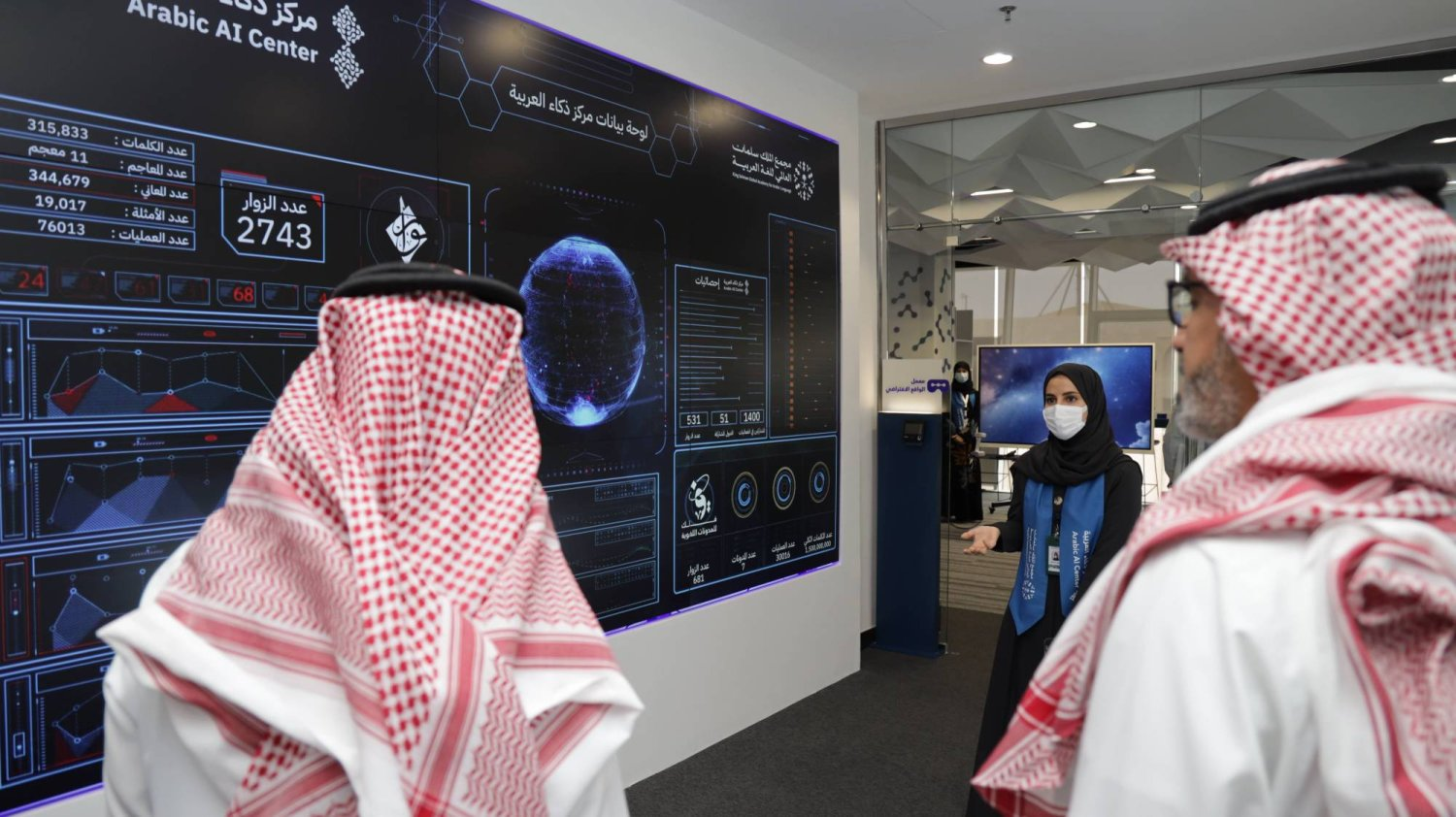
    Gulf Cooperation Council (GCC) countries are investing substantial resources into the development of artificial intelligence (AI). In a region where national goals focus on economic diversification, innovation, and digital transformation, AI is regarded as a key driver of long-term prosperity. GCC states have all eagerly launched national AI strategies and are now moving to strengthen regional collaboration on AI governance and innovation through strategic partnerships. The latest example of this is the newly forged agreement between Saudi Arabia and Kuwait.

    On 8 July 2025, Saudi Arabia’s Artificial Intelligence Governance Association signed its first-ever international memorandum of understanding (MoU) with Kuwait’s Association of Artificial Intelligence of Things. The agreement seeks to advance AI standards, research, and responsible development in line with Saudi Arabia’s Vision 2030, Kuwait’s Vision 2035, and broader regional goals of exchanging expertise and promoting innovative policies. Yet, while the MoU is framed as a forward-looking partnership, it also raises human rights concerns.

    Both Saudi Arabia and Kuwait have troubling records of repression and restricting basic freedoms. Vague laws in both countries criminalize criticism of the government and impose harsh penalties on speech deemed subversive, including on online platforms that are heavily monitored and moderated. In such environments, AI technologies risk being used to identify, surveil, and target individuals in both physical and digital spaces. Digital rights advocates warn that these tools not only strengthen existing repressive practices but also enable new methods of infringing on privacy and freedom of expression, heightening risks for citizens.

    These risks are amplified by the Gulf’s lack of meaningful AI regulation. Saudi Arabia is often commended for its “regulatory leadership” in AI, yet its framework primarily consists of non-binding guidelines that favor a business-friendly approach aimed at attracting investment. This regulatory model does nothing to protect privacy or limit surveillance, allowing possibilities for human rights abuses through AI technologies, without breaching any domestic laws.

    Kuwait, on the other hand, remains in the early stages of its AI development. While it has made public pledges to integrate human rights principles into its AI strategy, these remain purely aspirational in the absence of any dedicated legal framework. By committing in the MoU to strengthen AI governance alongside Saudi Arabia, Kuwait is aligning with a regulatory model that lacks human rights protections. As it builds its own nascent AI framework, this alignment risks steering Kuwait toward a similar approach that prioritizes economic gains over fundamental freedoms, undermining its ethical commitments and potentially setting a precedent for similar governance models across the Gulf.

    As GCC countries expand AI partnerships, innovation, and economic goals must be balanced with enforceable human rights and privacy protections embedded in binding regulatory frameworks. Without this, regional cooperation risks entrenching weak oversight and enabling the spread of repressive technologies in states already known for restricting freedoms. Only through such safeguards can AI development in the Gulf truly be ethical and responsible.

  • US-Saudi AI Deal and the Dangers of AI  Surveillance in Saudi Arabia

    US-Saudi AI Deal and the Dangers of AI  Surveillance in Saudi Arabia

    This month, President Trump announced a deal with Saudi Arabia that would provide the country with advanced artificial intelligence (AI) chips. The deal sees industry leader Nvidia provide Humain, a sovereign wealth fund-owned AI startup, with 18,000 of its new GB300 Blackwell chips. The massive deal makes Saudi Arabia a potential leader in AI data centers within the region and offers the opportunity to become a high-tech economic powerhouse.The deal comes as a reversal of former-president Biden’s policy that limited the spread of advanced AI chips out of fears of unchecked AI diffusion. 

    The AI market of Saudi Arabia remains unregulated in its nascency, with the authorities preferring a laissez-faire approach. Saudi Arabia has yet to pass any legislation or regulations that limit the use of AI in an effort to attract investment in its burgeoning AI economy. Instead, the country merely issued unenforceable guidelines on the topic. This, in turn, does far too little to protect citizens’ privacy rights.

    The deal highlights ongoing concerns about the power of AI in the hands of authoritarians. Saudi Arabia is already known to use other digital technologies to spy on dissidents. This willingness to violate citizens’ privacy rights coupled with the possibility of a more robust understanding of AI, due to the new deal, offers Saudi authorities with more advanced means of spying on its citizens. 

    One such application of the technology comes in the form of facial recognition technologies. The technology allows for AI to determine an individual’s identity by simultaneously scanning an individual’s face and comparing their features to others in a database. AI performs these actions much faster and efficiently than law enforcement officers can. This technology is already being used in cities throughout the world. A greater familiarity with the technology would allow Saudi authorities to not only identify individuals through surveillance cameras but also to use the technology to be used in the digital sphere to identify individuals through other means, such as social media posts.

    Saudi Arabia has proven through its pervasive surveillance of its own people that it is not a responsible actor and should not be allowed access to cutting-edge AI chips. The authorities refuse to regulate the market in an effort to attract investment into its AI market; a gamble that has apparently worked given the new US-Saudi partnership. Without proper regulations, Saudi authorities will undoubtedly use their country’s advancing  expertise with the technology as a means of further suppressing dissent and violating the privacy of its citizens. 

  • AI Regulation in Saudi Arabia: Innovation over Human Rights

    AI Regulation in Saudi Arabia: Innovation over Human Rights

    With the global rise of Artificial Intelligence (AI), countries have increasingly adopted regulations to restrict the use of this new technology, exemplified by the AI Act in the European Union. In contrast, Gulf governments have taken a more business-friendly approach to AI regulation, raising concerns about potential breaches of their populations’ privacy rights. Notably, Saudi Arabia has sought to create an attractive environment for data and AI businesses and has so far avoided implementing binding regulations.

    Saudi Arabia has invested heavily in AI as part of its Vision 2030 initiative and plans to integrate various AI technologies into its futuristic city-building project, Neom. These intentions raise significant concerns about potential human rights abuses by the Saudi government involving the use of AI, such as ChatGPT, the artificial intelligence language model making international headlines. These concerns are not limited to AI but extend to the misuse of a broader range of digital technologies. Recent high-profile cases involving Saudi Arabia include the use of digital technologies to spy on dissidents and their families overseas, as well as attempts to infiltrate Twitter to identify government opponents using anonymous accounts. Thus, AI presents yet another opportunity for the Saudi government to infringe on people’s most basic rights to privacy through surveillance and manipulation, exacerbating existing injustices.

    These concerns would be less severe if the Saudi government introduced rules to regulate AI. However, the kingdom has only issued guidelines for AI use, without enforcing any legally binding regulations. This absence of strict regulations means that the Saudi government could potentially violate international human rights laws and standards on privacy without breaching its own laws. Given Saudi Arabia’s tendency to disregard the international right to privacy with its current digital technology, this situation poses significant risks for the future of not only the Saudi population but also any person visiting their future mega city, Neom.

    To address these concerns, it is crucial for the international community to take action. Governments and international organizations should apply pressure on Saudi Arabia to implement comprehensive and binding AI regulations. Such regulations should ensure the protection of human rights and privacy, adhering to international standards. Additionally, countries should collaborate on establishing a global framework for AI governance that promotes ethical use and prevents abuses.

    Furthermore, multinational corporations and AI developers should be encouraged to adopt ethical guidelines and refuse to participate in projects that could lead to human rights violations. By fostering a culture of accountability and ethical responsibility, the international community can mitigate the risks associated with the misuse of AI technologies.

  • Silencing Dissent: The Case of Loujain Al Hathloul and Digital Violence in Saudi Arabia

    Silencing Dissent: The Case of Loujain Al Hathloul and Digital Violence in Saudi Arabia

    In the realm of human rights advocacy, few cases resonate as loudly as that of Loujain Al Hathloul, a leading women’s rights advocate from Saudi Arabia. Her story serves as a major instance of the widespread phenomenon of digital violence against women in the kingdom. Despite her brave efforts to challenge societal norms, Al Hathloul became a target of online abuse, highlighting the alarming use of digital platforms to suppress dissent and silence women’s voices, with the outcome of exacerbating the gender digital divide. In 2014, she defied the ban on women driving by attempting to cross the border from the United Arab Emirates into Saudi Arabia with her car, a courageous act that led to her arrest and imprisonment for 73 days. However, Al Hathloul’s activism did not end with her release. Instead, she continued to speak out against the injustices faced by women in Saudi Arabia, leveraging social media as a powerful tool for advocacy.

    One of the most insidious tactics employed against Al Hathloul was the use of digital violence. In her case, it manifested in the form of hacking her social media accounts, spreading false information about her online, and even impersonating her family members to undermine her credibility. The challenges faced by Loujain Al Hathloul resonate with those encountered by other women activists in Saudi Arabia, including Samar Badawi and Nassima Al-Sada. Samar Badawi, human rights defender, has long provoked Saudi authorities with her advocacy for women’s rights and political prisoners. Her 2018 arrest sparked global outrage and subjected her to digital harassment and defamation campaigns, aimed at discrediting her and diminishing her activism. Similarly, Nassima Al-Sada has faced relentless persecution for her advocacy efforts for women’s rights. Arrested in 2018 for her peaceful work, including campaigning against the male guardianship system, Al-Sada, like Al Hathloul and Badawi, has been subjected to digital violence, including hacking attempts and online harassment, in an effort to silence her and dissuade others from joining her cause.

    The intent behind digital violence against women’s right defenders is clear: to intimidate, discredit, and ultimately silence individuals who dare to speak out against the status quo. Attacks can manifest in various forms, including defamation campaigns, identity theft, and the creation of fraudulent accounts using women’s personal information. For instance, the Gulf Centre for Human Rights expressed alarm in an October 2019 statement regarding the use of “deepfake” technology targeting women human rights advocates through the manipulation of images, audio, video, and text, posing a serious threat to their safety. In the Arab States, nearly half of the women who suffered online violence in 2021 said to have experienced it at least once in their life, while the other half has been a victim of online harassment more than once. It is not a coincidence that Arab States have one of the widest gender divides as reported by the International Telecommunication Union in 2021, with 56% of women having online access compared to 68% of men. Digital violence exacerbates this gap by further marginalizing women in online spaces. When women are subjected to harassment, intimidation, and defamation online, it not only silences their voices but also creates a hostile environment that discourages their participation. Fear of online abuse can lead women to self-censor or withdraw from digital platforms altogether, limiting their access to information, resources and opportunities for skill development.

    By targeting Al Hathloul’s online exposure, the Saudi authorities sought to not only undermine her activism but also to send a warning message to others who might consider following in her footsteps. Authoritarian regimes primarily use restrictions on information dissemination to mitigate possible harm when faced with novel and unexpected challenges to the system and its core values. The most efficient tool at the disposal of authoritarian governments to prevent the spread of undesirable information is control over the media through a large market share of state-owned outlets that restricts access for independent media and suppresses social minorities’ voices. In this case, the reach of these attacks extended even beyond the borders of Saudi Arabia, reaching a global audience and implicating not just the Saudi government but also the tech companies that inadvertently facilitated these abuses.

    Al Hathloul’s case, much like Badawi’s and Al-Sada’s and many other women’s rights activists, serves to highlight the urgent need for greater protections against digital violence. Tech companies must be held accountable for safeguarding the online spaces they provide, ensuring that they are not complicit in the suppression of human rights. Moreover, governments and international organizations must take decisive action to hold perpetrators of digital violence accountable and ensure that those who dare to speak truth to power are protected from harm. Al Hathloul’s commitment to justice and equality is a powerful reminder of the importance of standing firm against digital violence and advancing human rights for all, both online and offline.

    Originally posted at ECDHR