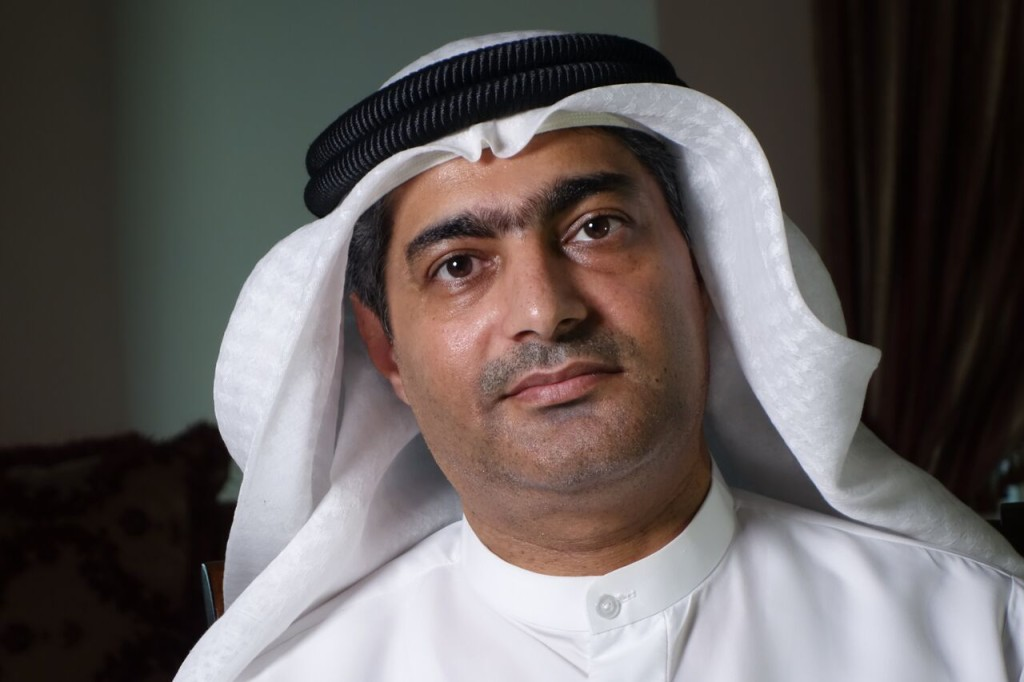
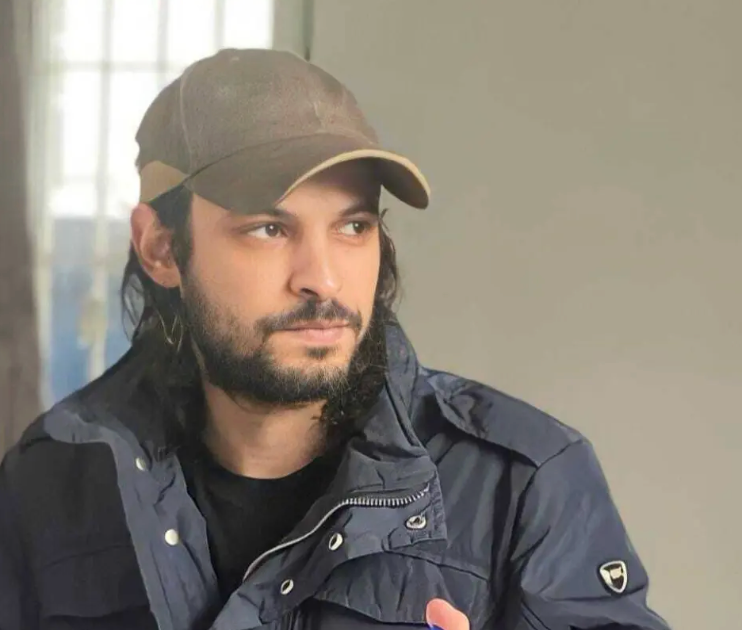
Saudi human rights defender and online political activist Abdulrahman Al-Khalidi, detained in Bulgaria since 2021, faces a forced deportation order to Saudi Arabia, placing him at serious risk of torture, an unfair trial and the death penalty. Al Khalidi’s case reflects a wider campaign of transnational repression by Gulf regimes seeking to silence peaceful dissent and maintain control over narratives beyond their borders.
In October 2021, Al-Khalidi crossed the border between Turkey and Bulgaria on foot and sought asylum upon his arrival in Bulgaria. His decision to flee Turkey came after an intensified campaign against Saudi activists there, most notably the murder of his collaborator, Jamal Khashoggi. Instead of granting his asylum request, Bulgarian authorities arrested him two days later. During his interrogation, Al-Khalidi reported seeing a Saudi representative observing the proceedings alongside Bulgarian officials. This raises serious concerns about the transnational reach of Saudi repression and the diplomatic pressure exerted on other countries, such as Bulgaria, at the expense of the rights of asylum seekers and due process.
Since then, Al-Khalidi has been held in arbitrary detention despite an administrative court issuing a non-appealable decision in March 2025 which demands his release. Rather than complying with this ruling, the Bulgarian National Security Agency has issued “counterdecisions” to circumvent the release order and approve his forced deportation, calling Al-Khalidi a threat; seemingly aligning with Saudi Arabia’s so-called “national security” designation that labels Al-Khalidi as a threat to the Kingdom. Pending his deportation, authorities have transferred him to a deportation centre, where to this day he suffers from poor living conditions, physical abuse, and inadequate medical care.
This is not an isolated case, but a strategy that allows the Saudi government to extend its repressive control of dissidents who have fled the Kingdom over threats and safety concerns. According to a recent European Parliament study, one of the primary tactics of transnational repression is the co-option of other states, in which authoritarian regimes manipulate foreign authorities and institutions to act against targeted individuals. This includes the abuse of international mechanisms, such as the Interpol Red Notice system, to facilitate the detention and deportation of activists.
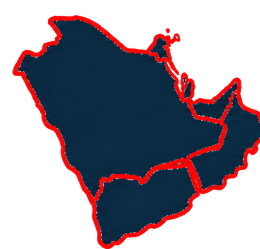
Across the Gulf, an array of national security measures and cybercrime laws are routinely weaponized to criminalize peaceful criticism of the government. Individuals targeted are then placed on international terrorist watchlists and subsequently detained without due process, as in the case of Al-Khalidi. Meanwhile, Interpol’s growing presence in the Middle East and its deepened cooperation with the Arab Interior Ministers’ Council has enabled extensive data sharing between the two, raising serious concerns about transparency and the risk of politically motivated arrests, especially given the widespread human rights violations in the Gulf related to freedom of expression. This highlights how international mechanisms intended for security are being turned into tools of repression by the Gulf and exploited to legitimize transnational campaigns that enable the cross-border persecution of online activists. In Al-Khalidi’s own words, “individual cases are no longer a reasonable explanation, but an institutional pattern requiring review”.
The detention and forced deportation of Al-Khalidi constitutes violations of international human rights law, including Article 3 of the Convention Against Torture, which enshrines the principle of non-refoulement, prohibiting the return of individuals to countries where they face a risk of torture and persecution. His case exemplifies how Saudi Arabia’s transnational repression operates through targeted strategies and the manipulation of international systems, threatening the safety of individual activists and undermining the asylum protections they seek abroad.
In light of these abuses, DR4G urges authorities to immediately halt Al-Khalidi’s deportation, comply with domestic court rulings, and uphold their obligations under international law. Furthermore, DR4G calls on Interpol to strengthen its safeguards against the political abuse of security frameworks and to ensure that activists seeking protection are not detained unjustly through international complicity.