Tag: Blog

  • Qatar Amends Cybercrime Law

    Qatar Amends Cybercrime Law

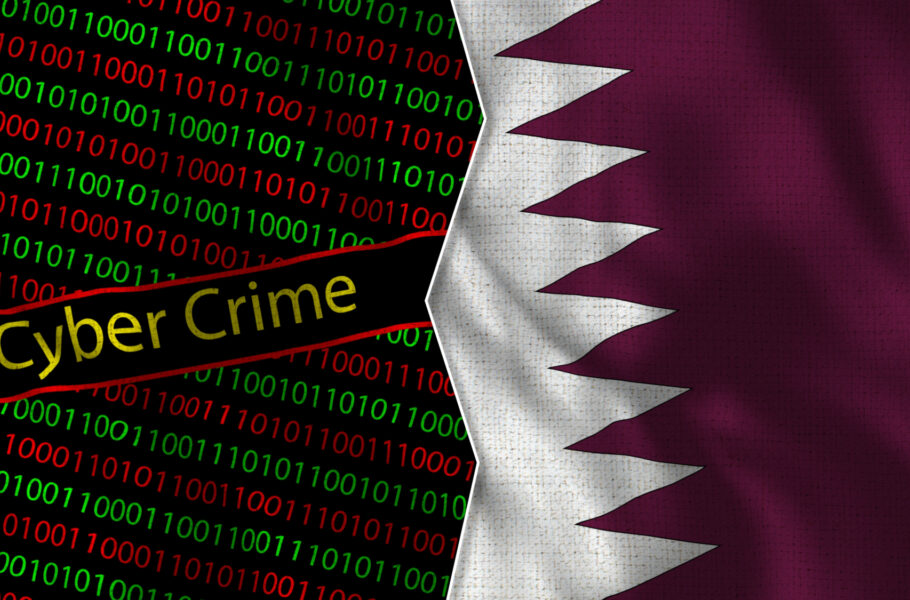
    This month, Qatari officials approved an amendment to the controversial cybercrimes law. The amendment bans the circulation of images or videos of individuals online without their given consent. Officials tout the amendment as a step forward for privacy within the country, but the amendment is rife for abuse and may threaten freedom of expression and journalism within Qatar.

    The punishment for violating the new amendment is one year of prison and/or 100,000 Qatar Riyals (roughly 23,500 Euros). A surface-level analysis of the fine amount may lead one to believe that this amount is tough but fair based on economic measurements such as GDP per capita; where Qataris are amongst the top earners in the world. These economic measures do not tell the full story of the average person in Qatar. The Qatari government heavily subsidizes its nationals through a litany of programs, but most people living in Qatar aren’t Qatari nationals. Rather they are migrant workers. Most estimates say that 90% of the population of Qatar are migrant workers. This means that wealth is not evenly distributed in the country. Furthermore, Qatari officials rarely, if ever, publish data on poverty rates and some estimates suggest that Qatar is an extremely unequal country. Thus wealth is concentrated in the hands of the country’s richest. The 100,000 Qatar Riyal fine is an astronomical amount that most Qataris can’t afford and most of the migrant workers couldn’t fathom paying that much money.

    The new amendment does not only threaten the financial stability of those found to be in violation of the Cybercrime Law, but it also threatens press freedoms within Qatar. The newest amendment, much like the Cybercrime Law overall, is overreaching and vague. Journalists in the country already self-censor their own reports in an effort to stay clear of angering authorities, but the newest amendment makes photojournalism and broadcast journalism almost impossible. Rarely do those who violate the rights of others ever consent to having journalists record them in the act. Thus, photojournalism and broadcast journalism is reduced to a lesser version of itself that is only possible in private, preapproved, and curated places chosen by authorities. 

    These restrictions apply to the average citizen of Qatar too. The vagueness and broad nature of the amendment may make it difficult for Qataris to record abuses by authorities. The ability to record and document police conduct is important. The ability to distribute these events online is important as well. Under the new amendment, this is now impossible. 

    In Qatar’s attempts to protect privacy in public places through the new amendment, authorities may have introduced a new tool of oppression. Journalists now have to be extremely careful in the way they photograph and record any story that takes place in public spaces. Qatari citizens have now lost the only means of documenting abuse by authorities in public spaces. Qatari officials must immediately tighten the language used in both the amendment and the overall Cybercrime law. As it exists now, the law only offers ways for authorities to violate the spirit of the law to punish those who would criticize officials or dissent.



  • US-Saudi AI Deal and the Dangers of AI  Surveillance in Saudi Arabia

    US-Saudi AI Deal and the Dangers of AI  Surveillance in Saudi Arabia

    This month, President Trump announced a deal with Saudi Arabia that would provide the country with advanced artificial intelligence (AI) chips. The deal sees industry leader Nvidia provide Humain, a sovereign wealth fund-owned AI startup, with 18,000 of its new GB300 Blackwell chips. The massive deal makes Saudi Arabia a potential leader in AI data centers within the region and offers the opportunity to become a high-tech economic powerhouse.The deal comes as a reversal of former-president Biden’s policy that limited the spread of advanced AI chips out of fears of unchecked AI diffusion. 

    The AI market of Saudi Arabia remains unregulated in its nascency, with the authorities preferring a laissez-faire approach. Saudi Arabia has yet to pass any legislation or regulations that limit the use of AI in an effort to attract investment in its burgeoning AI economy. Instead, the country merely issued unenforceable guidelines on the topic. This, in turn, does far too little to protect citizens’ privacy rights.

    The deal highlights ongoing concerns about the power of AI in the hands of authoritarians. Saudi Arabia is already known to use other digital technologies to spy on dissidents. This willingness to violate citizens’ privacy rights coupled with the possibility of a more robust understanding of AI, due to the new deal, offers Saudi authorities with more advanced means of spying on its citizens. 

    One such application of the technology comes in the form of facial recognition technologies. The technology allows for AI to determine an individual’s identity by simultaneously scanning an individual’s face and comparing their features to others in a database. AI performs these actions much faster and efficiently than law enforcement officers can. This technology is already being used in cities throughout the world. A greater familiarity with the technology would allow Saudi authorities to not only identify individuals through surveillance cameras but also to use the technology to be used in the digital sphere to identify individuals through other means, such as social media posts.

    Saudi Arabia has proven through its pervasive surveillance of its own people that it is not a responsible actor and should not be allowed access to cutting-edge AI chips. The authorities refuse to regulate the market in an effort to attract investment into its AI market; a gamble that has apparently worked given the new US-Saudi partnership. Without proper regulations, Saudi authorities will undoubtedly use their country’s advancing  expertise with the technology as a means of further suppressing dissent and violating the privacy of its citizens. 

  • AI Is Reshaping Activism 

    AI Is Reshaping Activism 

    Recently, the discourse surrounding the ethics of AI has become a major topic of contention across almost every digital rights platform. Amongst these professionals there is a clear consensus that AI is transforming how activists engage with dissent and how states may choose to weaponize this to suppress them. At the core of this discussion lies a deep ethical conflict: AI’s promise of progress is inseparable from its potential for control. This blog will briefly explore these discussions and find potential solutions to better protect civil liberties.

    AI as an Ally: Tools for Resistance

    Despite the influx of bad press given to AI, Human rights organizations have boasted great success with AI integration into building cases against perpetrators. For example, many now use machine learning to analyze satellite imagery and detect evidence of war crimes or environmental destruction, as seen in projects such as Amnesty International’s Decoders who had enlisted thousands of digital volunteers and AI-assisted platforms to document abuses in countries like Syria, South Sudan, and the Niger Delta. However, this project appears to be inactive at the time of writing this blog for undisclosed reasons, leading to questions surrounding its effectiveness. 

    More recently,  we have seen the success of investigative outlets such as Bellingcat leverage AI tools to geolocate videos from conflict zones and verify open-source intelligence, which can disseminate faster than traditional media. Additionally,  alternative platforms have been created as a form of digital protections from more localised versions of digital exploitation, there are legal tech platforms like DoNotPay that use AI chatbots to help users challenge fines, contest evictions, or navigate complex immigration processes.

     In more practical terms, AI can even offer physical protection, with tools and research developments such as CV Dazzle and Fawkes helping activists mask their identities in photos, by scrambling facial recognition software. This allows activists the freedom to protest whilst protecting their identity. 

    In this light, AI enhances activism and provides a revolutionary means to mobilise and extend human agency. These technologies have enabled these organizations to extend their reach and capabilities beyond traditional methods, allowing activists to mobilise quicker and more effectively. However, these softwares are not without their risks or limitations. 

    AI as a Threat: Automating Repression

    In contrast to the developments listed above, AI is as equally adept at serving authoritarian interests. Around the world, governments are deploying facial recognition, predictive policing, and surveillance algorithms to monitor and neutralize dissent. A catalyst for this discussion is  China’s use of surveillance tools in Xinjiang, for example, the use of AI-powered tools to track Uyghur Muslims in real time, profiling individuals based on everything from facial expressions to smartphone metadata, as reported by Human Rights Watch.

    A particular software that is mentioned frequently on our site is AI-enabled spyware like Pegasus has been deployed against journalists and human rights defenders, with reports from Citizen Lab detailing zero-click hacks that turn phones into surveillance devices without users even clicking a link. These tools give state actors the power to eavesdrop on private conversations, track movement, and preemptively disrupt organizing efforts. As described in our blog posts, this has led to severe psychological harm against activists in the Middle East.

    Even supposedly neutral content moderation systems, run by major platforms like Facebook and YouTube, are far from impartial. Automated moderation tools routinely misidentify activist content, particularly from the Global South; as harmful or extremist. Reports from organizations such as Access Now and Article 19 show that algorithms often suppress protest videos, testimonies of abuse, or political speech, especially when expressed in non-Western languages or dialects. This isn’t simply a flaw in execution, it’s a structural problem. AI systems reflect the biases embedded in their data and development. From  algorithms that discriminate against women to facial recognition systems that perform poorly on darker skin tones, these technologies routinely reinforce systemic inequality rather than correcting it.

    Regulating the Future

    As AI continues to evolve, it is imperative that we also evolve our approach to governance and accountability. There are a  number of early frameworks like the UNESCO Recommendation on the Ethics of AI and the EU AI Act are promising first steps, aiming to set limits on surveillance technologies and mandate transparency. But these regulations remain disproportionate, with few enforcement mechanisms and limited global reach.

    Meanwhile, activists, technologists, and researchers are pushing back. There has been an influx of Civil society groups and NGOs calling for bans on facial recognition in public spaces, advocating for open-source audit tools, and demanding algorithmic transparency from Big Tech. The movement for “AI for Social Good” is growing, but it must continue to advocate to protect our civil liberties. 

    Conclusion: The Fight Is Still Human

    AI will not liberate us or oppress us on its own. It is simply a tool shaped by the intentions, interests, and ethics of those who use it. For every protest it helps organize, there may be another it helps suppress. The real battle is not between humans and machines, but between justice and control. The future of protest, and the right to dissent, depends on how we navigate this.

  • How Digital Authoritarianism Erodes Social Bonds in the Gulf

    How Digital Authoritarianism Erodes Social Bonds in the Gulf

    In the Gulf region, there has been a shift in social dynamics. Surveillance, infiltration, and censorship; facilitated by authoritarian states and often enabled by Big Tech, have transformed the digital landscape creating an environment of mistrust and can often lead to key activists being silenced. 

    Nowhere is this transformation more evident than in the aftermath of the Arab Spring. While social media was initially celebrated as a tool for liberation, it has also become integral to the rise of counter-revolutionary digital repression. As explored in Al Jazeera,  although initially Big Tech companies were seen as the root of the revolution, they have grown to become silent enablers of state control and mass disinformation. This blog aims to explore the social impact of these very systems.

    The Surveillance State and Trust 

    As we have previously explored (see our previous blogs here), authoritarian governments in the Gulf have invested heavily in digital surveillance technologies. For example, Pegasus spyware, developed by Israel’s NSO Group, has become infamous for its use by Gulf regimes to monitor and silence dissent. A Guardian investigation revealed that Pegasus was used to target over 1,400 WhatsApp users, including journalists and activists. Furthermore, A 2021 report by Citizen Lab showed how Bahraini activists were targeted by zero-click Pegasus attacks on their iPhones. These breaches gave authorities access to private calls, messages, photos, and even microphone, turning phones into portable surveillance devices against Bharians own citizens.

     As a Freedom House report outlines, this intrusive monitoring destroys civil society, creating  an atmosphere where individuals fear their communications may be intercepted, their confidants may be informants, and their allies may be under similar scrutiny, leading to a lack of trust in their peers. In Bahrain, Saudi Arabia, and the UAE, surveillance is not just a state tool, it is a social weapon.

    ​​When trust between civil society depletes,  so does the solidarity of the movement. Activists, community organizers, and even ordinary citizens may become paranoid about their safety for speaking out: Who is safe to confide in? Who might be compromised? Who is watching, and  who is reporting? These questions fracture once-strong relationships, creating an isolating environment in which collaboration is lost and collective action is fragmented.

    Authoritarian regimes intentionally weaponize this breakdown of civil society. By making the threat of surveillance ever-present but imprecise, governments sow confusion and fear, discouraging dissent not only through punishment, but through preemptive self-censorship. In this way, the surveillance state achieves one of its most insidious goals: silencing dissent by destroying the trust that makes resistance possible.

    Engineered Silence

    In particular, disinformation campaigns by governments have been heavily utilized to discredit social movements. In countries like Saudi Arabia and the UAE, state-sponsored troll farms flood platforms with disinformation, while activists report their posts being de-amplified or accounts suspended. According to a BBC investigation, these troll farms manipulate trending topics and algorithmic visibility to drown out dissent and elevate pro-state narratives. The growing use of artificial intelligence in content moderation adds another layer of complexity to the information landscape. While intended to filter harmful content, AI systems often lack the nuance to distinguish between legitimate dissent and actual threats, inadvertently amplifying existing biases and allowing misinformation to spread, without adequate fact checking. 

    Rebuilding Trust, Reclaiming Digital Space

    Despite the suffocating environment, pockets of resistance remain sparse but persistent. Activists in Kuwait, Bahrain, and even within the Saudi diaspora are turning to encrypted messaging apps, peer-to-peer platforms, and grassroots training to maintain networks of trust.

    But technical fixes alone are insufficient. What’s needed is a broader reckoning with the complicity of Big Tech, the opacity of surveillance infrastructure, and the moral cost of profit-driven compliance. DR4G calls for international pressure for transparency, accountability, and human rights compliance; these digital ecosystems will continue to be hostile spaces for dissent and healthy dialogue.

  • Silenced Online: Loujain al-Hathloul and the Weaponization of Cybercrime Laws in Saudi Arabia

    Silenced Online: Loujain al-Hathloul and the Weaponization of Cybercrime Laws in Saudi Arabia

    Loujain al-Hathloul: Digital Dissent, Cybercrime Laws, and the Struggle for Women’s Rights in Saudi Arabia​

    Loujain al-Hathloul, a prominent Saudi women’s rights activist, has become a symbol of resistance against oppressive laws and the misuse of cybercrime legislation in Saudi Arabia. Her activism, particularly her campaign for women’s right to drive and her opposition to the male guardianship system, led to her arrest in May 2018. She was subsequently sentenced to five years and eight months in prison under Saudi Arabia’s counterterrorism and cybercrime laws, with a portion of the sentence suspended.

    Al-Hathloul’s activism began in 2013 when she publicly defied the ban on women driving in Saudi Arabia. Her efforts extended beyond driving; she also campaigned against the male guardianship system, which requires women to obtain permission from a male relative to travel, marry, or work. Her bold actions and use of social media platforms to advocate for women’s rights brought international attention to the systemic gender inequalities in the Kingdom.​

    Arrest and Charges Under Cybercrime Laws

    In May 2018, just weeks before the ban on women driving was lifted, al-Hathloul was arrested along with other activists. She was charged with “spying with foreign parties” and “conspiring against the Kingdom,” accusations that human rights organizations argue were based on vague and broadly defined laws . Her case was transferred to the Specialized Criminal Court, which handles terrorism and national security cases, raising concerns about the criminalization of peaceful activism.​

    Imprisonment and Allegations of Torture

    During her imprisonment, al-Hathloul reported experiencing torture and sexual assault, allegations that were dismissed by the court. Her family stated that she was offered release in exchange for denying these claims, which she refused. To support her rehabilitation, the court suspended part of her sentence, provided she did not commit another offense within the next three years.

    Release and Continued Restrictions

    In February 2021, after serving over one thousand days in prison, al-Hathloul was released. However, her freedom remains restricted; she is under probation, subject to a travel ban, and prohibited from speaking about her detention. Her family called for “real justice” and plans to legally challenge the travel ban imposed on her.

    Cybercrime Laws as Tools of Repression

    Al-Hathloul’s case highlights how cybercrime legislation can be employed to suppress dissenting voices and criminalize online activism. The charges against her included using the internet to disrupt public order, reflecting a broader trend of using cybercrime laws to target activists. This misuse of legislation undermines freedom of expression and the right to peaceful protest.​

    International Response and Ongoing Advocacy

    Al-Hathloul’s case has drawn international attention, with human rights organizations condemning her treatment and the misuse of cybercrime laws to silence activists. Amnesty International and other groups have called for accountability for those responsible for her torture and for all punitive measures against her to be lifted. Her resilience continues to inspire activists worldwide, highlighting the need for legal reforms that protect, rather than punish, digital activism.​

    Concluding Statements: 

    Al-Hathloul’s story is a testament to the courage of individuals who stand up against oppressive systems. Her continued advocacy, despite the risks and restrictions, serves as a powerful source of hope and inspiration for those fighting for human rights and freedom of expression in the digital age.​

    However, her struggles are far from over. The lingering restrictions on her freedom, including the travel ban and probation, are clear reminders of how states can continue to exert control over activists long after their release. Her case illustrates the dangerous broadness of cybercrime laws in Saudi Arabia, which have been weaponized to punish peaceful dissent and silence calls for reform under the pretext of national security and public order.

    Digital Rights 4 Gulf urges the international community to intensify pressure on Saudi authorities to lift all restrictions against Loujain al-Hathloul and to hold those responsible for her mistreatment accountable. We call for urgent reforms to cybercrime laws across the Gulf to ensure they are not used as tools of repression but are aligned with international human rights standards. Protecting digital freedoms is not only about preserving online expression, it is about defending the very right to speak, to challenge, and to demand justice.

  • The United States and Digital Authoritarianism

    The United States and Digital Authoritarianism

    Freedoms in Decline and the Rise of Digital Authoritarianism

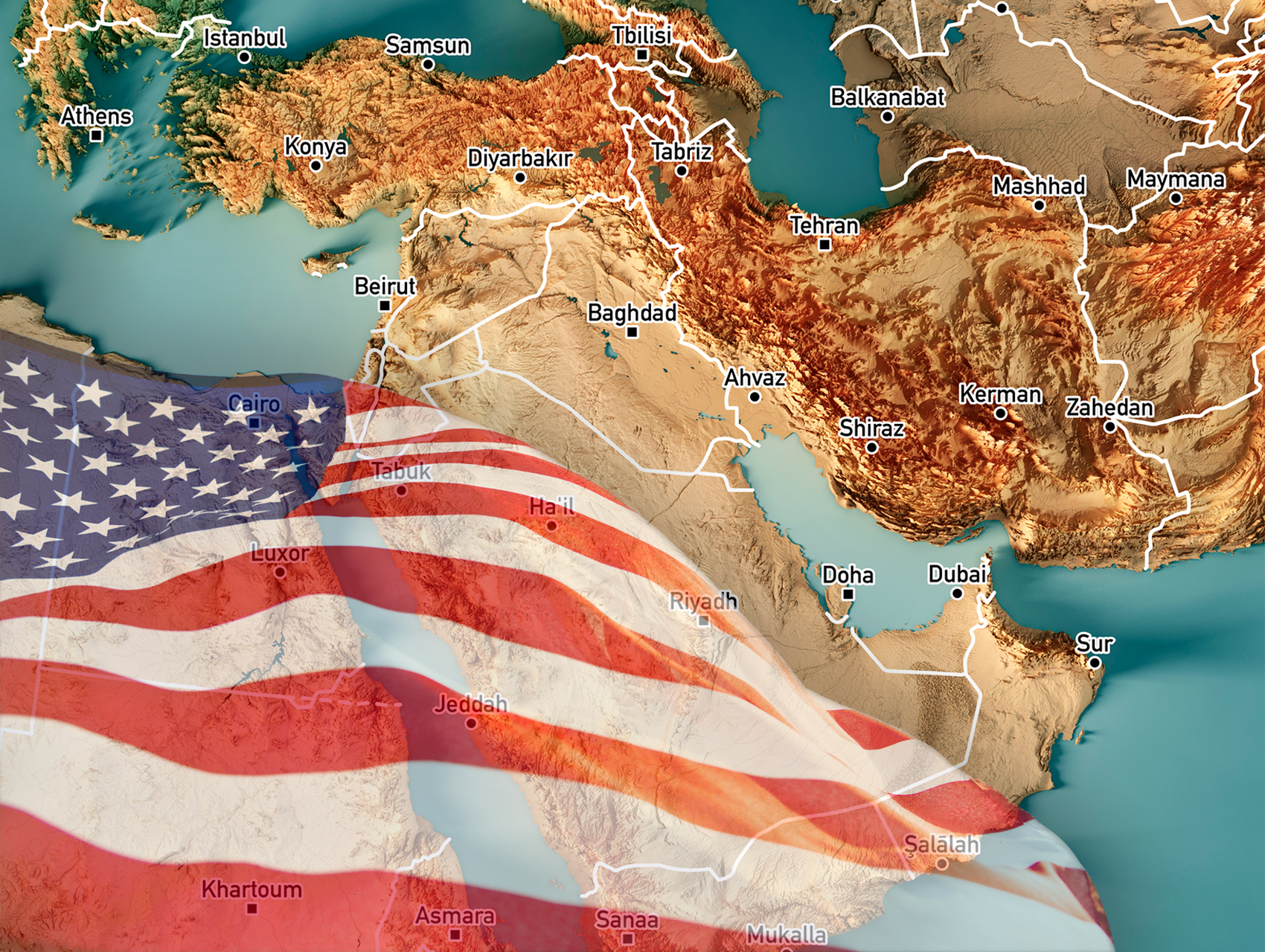
    Freedom around the world is in decline. With few exceptions, democracies face threats from autocratic actors from within while established autocracies continue to fortify their hold on power. While authoritarianism evokes imagery of strong men using force to suppress resistance, nowadays it finds itself encroaching more and more on the digital sphere. The phenomenon is not exclusive to one region of the world. The tactics of digital authoritarianism of the states of the Gulf Cooperation Council (GCC) are  often the same as those in the United States.

    The rise of digital authoritarianism is not a new phenomenon, but has taken a more prominent role in efforts to thwart or subvert democracies or suppress political discussion within a state. It entails the use of a variety of means in the digital space in order to suppress dissidents or opponents. Akin to the gulf, the US has embraced increasingly autocratic measures in the digital sphere. Spyware and digital censorship are two such means that the United States can suppress dissent. Though a democracy, the United States and actors within are taking an increasingly more authoritarian approach to the rights of its citizens in the digital world. 

    Pegasus Spyware

    The use of Pegasus spyware is one such way that the United States has flirted with digital authoritarianism. Developed by the NSO Group, this sophisticated spyware is purportedly used to allow governments to track and spy on criminals and terrorist organizations. It allows for remote access to a phone’s data including such things as the phone’s call logs, videos, photos, messages, and contacts. In practice, authoritative governments often abuse the spyware’s capabilities to spy on journalists, dissidents, and activists. As we have previously documented this tactic is widespread amongst the GCC states.

    The United States has long been interested in the capabilities of the spyware with several agencies making a concerted effort to use the spyware. The Federal Bureau of Investigation (FBI) of the United States is in charge of domestic intelligence and security service. The FBI purchased a license of the software in order to gauge its capabilities and has used the software. The agency has a long history of violating civil liberties through its surveillance programs. Other agencies have also purchased the spyware. The bureau in charge of foreign intelligence, the Central Intelligence Agency (CIA), also had interest in the capabilities of the spyware. The CIA allegedly purchased the spyware for Djibouti, which has a poor human rights record. Furthermore, while former President Biden blacklisted the NSO Group in 2021, the company is actively lobbying the Trump administration and lawmakers in an effort to overturn the ban. The ban must not be overturned. The spyware is prone to misuse and abuse due to its advanced capabilities. The US intelligence community must not become victims to the same pitfalls that afflict the Gulf’s various intelligence communities. The spyware is still legal in the Gulf and used to spy on dissidents. Thus, by not standing against digital authoritarianism in the Gulf, the US may be heading towards its own digital-autocratic future.

    The Role of Social Media

    American social media companies also play a role in the spread of digital authoritarianism. Through the suppression of content through digital censorship, social media companies in the United States can actively suppress dissent. Social media platform X has taken a stronger stance against the freedom of expression on its platform. X has complied with an estimated 80% of government requests to censor content on the website. The requests are often focused on removing content that governments find to be subversive. The removal of dissident posts or those unflattering to authorities is not an issue limited to the Gulf; similar tactics have been used to limit dissident opinions in the US. Take for example, the disappearance of the hashtag #BlackLivesMatter. A systematic censorship of tweets with the hashtag has happened since Elon Musk became the owner of the platform. This tactic amounts to little more than political censorship. The misuse of social media platforms and the negligence of its owners has real world consequences for the users of X from the Gulf. With the huge reach of X and other social media platforms, with Saudi Arabia alone having an estimated 15.7 million people in X’s advertising audience, it is important that these social media platforms protect users from government oversight and allow for free political discussion, whether they live in the Gulf or the US. 

    Past Lessons and the Future of America’s Role
    The United States has a dominant role in international politics and thus has an obligation to protect freedoms in our ever-digitizing world. Its interests in the procurement and the dissemination of sophisticated spyware is of great concern. Though spyware enables governments to track those who would carry out heinous acts of violence, its capacity for misuse is severe. When given such surveillance capabilities, actors within the intelligence community have proven time and time again the potential to misuse intelligence-gathering tools. The covert distribution of such spyware to US allies, especially those with egregious human rights records, only enables the rise of digital authoritarianism. The US has already taken a role in building spy agencies within the Gulf states, who then misuse these resources to spy on journalists and activists. It is not too late for the US to take a firmer stance against the misuse of US-supplied intelligence and capabilities in the region. In terms of non-governmental actors, the United States still plays a dominant role in the digital sphere through the overwhelming popularity of American-owned social media platforms such as Facebook, Instagram, and X. The aggressive censorship of peaceful but dissenting voices suppresses political freedoms of expression throughout the world. The ever-growing compliance to the whims of autocratic governments only make these social media platforms a tool of suppression. The United States and entities within need to take a firmer stance on the protection of digital rights not only within the United States but throughout the Gulf.

  • AI Regulation in Saudi Arabia: Innovation over Human Rights

    AI Regulation in Saudi Arabia: Innovation over Human Rights

    With the global rise of Artificial Intelligence (AI), countries have increasingly adopted regulations to restrict the use of this new technology, exemplified by the AI Act in the European Union. In contrast, Gulf governments have taken a more business-friendly approach to AI regulation, raising concerns about potential breaches of their populations’ privacy rights. Notably, Saudi Arabia has sought to create an attractive environment for data and AI businesses and has so far avoided implementing binding regulations.

    Saudi Arabia has invested heavily in AI as part of its Vision 2030 initiative and plans to integrate various AI technologies into its futuristic city-building project, Neom. These intentions raise significant concerns about potential human rights abuses by the Saudi government involving the use of AI, such as ChatGPT, the artificial intelligence language model making international headlines. These concerns are not limited to AI but extend to the misuse of a broader range of digital technologies. Recent high-profile cases involving Saudi Arabia include the use of digital technologies to spy on dissidents and their families overseas, as well as attempts to infiltrate Twitter to identify government opponents using anonymous accounts. Thus, AI presents yet another opportunity for the Saudi government to infringe on people’s most basic rights to privacy through surveillance and manipulation, exacerbating existing injustices.

    These concerns would be less severe if the Saudi government introduced rules to regulate AI. However, the kingdom has only issued guidelines for AI use, without enforcing any legally binding regulations. This absence of strict regulations means that the Saudi government could potentially violate international human rights laws and standards on privacy without breaching its own laws. Given Saudi Arabia’s tendency to disregard the international right to privacy with its current digital technology, this situation poses significant risks for the future of not only the Saudi population but also any person visiting their future mega city, Neom.

    To address these concerns, it is crucial for the international community to take action. Governments and international organizations should apply pressure on Saudi Arabia to implement comprehensive and binding AI regulations. Such regulations should ensure the protection of human rights and privacy, adhering to international standards. Additionally, countries should collaborate on establishing a global framework for AI governance that promotes ethical use and prevents abuses.

    Furthermore, multinational corporations and AI developers should be encouraged to adopt ethical guidelines and refuse to participate in projects that could lead to human rights violations. By fostering a culture of accountability and ethical responsibility, the international community can mitigate the risks associated with the misuse of AI technologies.

  • The Role of the Diaspora in Advocating for Digital Rights in the Gulf

    The Role of the Diaspora in Advocating for Digital Rights in the Gulf

    As Gulf states deploy increasingly sophisticated tools of digital control, ranging from surveillance spyware to content censorship, the diaspora has become a vital voice in the global movement for digital rights. Detached from many of the immediate risks faced by dissidents inside the region, Gulf diaspora communities have used their transnational positions to spotlight abuses, challenge authoritarian narratives, and push for international accountability. 

    Who Makes Up the Gulf Diaspora?

    The Gulf diaspora consists of exiled activists, political dissidents, journalists, academics, students, and ordinary citizens who fled their home countries due to persecution, legal threats, or shrinking civic space. Many reside in Europe, North America, and Southeast Asia, where they benefit from stronger protections for freedom of expression and digital security. Others are part of longstanding migrant communities shaped by generational exile, statelessness (such as the Bidun community), or sectarian marginalization, particularly among Shia populations in Bahrain and Saudi Arabia.

    For many, exile is not just a personal safety strategy; it becomes a political position. Their lived experience of repression fuels a commitment to advocacy, transparency, and reform. These communities form online networks, NGOs, think tanks, and media platforms to document digital rights violations and engage international audiences.

    Digital Activism Beyond Borders

    While the Universal Declaration of Human Rights (UDHR) affirms freedom of expression and the right to privacy, these rights are routinely violated in the Gulf. Governments use broadly defined cybercrime laws to criminalize dissent and silence critics. For example, the United Arab Emirates’ Cybercrime Law (Federal Decree-Law No. 34 of 2021) penalizes online content that “harms the reputation of the state,” a vague standard frequently used to imprison activists and journalists.

    Diaspora advocates, operating beyond these borders, become the last line of free expression for many back home. Whether through long-form investigative journalism, Twitter threads, Instagram reels, or encrypted messaging apps, they work to document abuses and preserve the voices of those silenced inside the region.

    Organizations such as ALQST for Human Rights, founded by Saudi dissidents in exile, regularly publish reports on arrests, censorship, and surveillance. The Gulf Centre for Human Rights (GCHR) brings together activists from across the region to coordinate advocacy campaigns, train digital defenders, and engage international institutions.

    Case in Point: The Surveillance of Jamal Khashoggi

    An alarming case that we have previously mentioned throughout our research into the internet risks experienced by Gulf diaspora members was the murder of journalist Jamal Khashoggi,  who was a U.S. resident. Investigations revealed that Pegasus spyware was used to surveil people close to him, including his fiancée and fellow dissidents. Citizen Lab and Amnesty International later confirmed that Gulf governments used this tool to target journalists, lawyers, and human rights defenders living in exile.

    This kind of transnational digital authoritarianism; where regimes export repression via digital tools is an increasingly common tactic. In addition, a 2022 Freedom House report found that Gulf countries are among the most active in digitally targeting their diasporas abroad, including through online harassment, hacking, spyware, and threats to family members.

    How the Diaspora Organizes and Mobilizes

    Despite these threats, the Gulf diaspora has grown into a well-networked digital advocacy ecosystem:

    • Independent Media: Outlets like MENA Rights Group, Lualua TV, and Daraj amplify the perspectives of exiled journalists and whistleblowers.
    • Legal Advocacy: Groups such as BIRD (Bahrain Institute for Rights and Democracy) conduct strategic litigation and file complaints with UN bodies and European courts against spyware vendors and abusive states.
    • Online Campaigns: Diaspora-led initiatives such as #FreeAhmedMansoor, #JusticeForKhashoggi, and campaigns against arms exports to Gulf states have gained global traction on social media.
    • Academic Engagement: Exiled scholars collaborate with universities and think tanks to produce policy research, op-eds, and panel discussions on digital repression in the Gulf.

    The diaspora’s ability to speak truth to power, without facing immediate imprisonment, makes them indispensable to the global digital rights movement.

    Challenges and Opportunities

    Despite their resilience, diaspora activists continue to face significant risks. Many experience digital harassment, phishing attacks, or surveillance attempts. Others are doxxed or defamed by state-aligned media. Some report coercion or retaliation against relatives still living in the Gulf.

    Yet their advocacy has already led to tangible outcomes. In 2022, the European Parliament called for a ban on spyware exports like Pegasus, citing the targeting of Gulf diaspora members. UN experts have urged stronger controls on the surveillance industry and condemned spying on human rights defenders.

    To better support the diaspora’s advocacy, the international community must strengthen legal protections for exiled human rights defenders and create mechanisms to hold both states and private actors accountable. This includes:

    • Expanding the scope of international agreements like the Budapest Convention to include safeguards against state-sponsored cyber repression;
    • Establishing international export controls on spyware, modeled on the Wassenaar Arrangement;
    • Providing digital security training and legal assistance to diaspora activists targeted by transnational threats.

    The diaspora’s role is not just reactive but visionary. By preserving spaces for free expression, exposing abuses, and pushing for reform, they are helping to shape a digital future rooted in transparency and human dignity. As digital authoritarianism becomes increasingly transnational, the resistance to it must also transcend borders. The Gulf diaspora stands at the frontline of this struggle, offering a blueprint for collective action and international solidarity.

  • Why Digital Freedom is a Human Right and What We Can Do to Defend It.

    Why Digital Freedom is a Human Right and What We Can Do to Defend It.

    In an era where digital spaces shape political discourse, social movements, and individual expression, the right to digital freedom is more crucial than ever. Yet, around the world, authoritarian governments are leveraging technology to silence dissent, surveil citizens, and manipulate information. From mass surveillance to online censorship, digital repression has become a powerful tool for state control. This raises an urgent question: If access to information and freedom of expression are fundamental human rights, why is digital freedom not universally recognized as one?

    The Growing Threat to Digital Freedom

    Over the past decade, governments have increasingly weaponized technology to monitor and suppress activists, journalists, and political opponents. The Gulf region offers a critical example of this trend. In Bahrain, human rights activist Ebtisam Al-Saegh was repeatedly targeted with Pegasus spyware; an invasive surveillance tool developed by the Israeli NSO Group. According to Middle East Eye, her phone was hacked at least eight times between August and November 2019, granting authorities access to her private communications and movements (Read more about her experiences here insert link to blog)

    In particular, Saudi Arabia and the United Arab Emirates (UAE) have also deployed Pegasus to infiltrate the devices of activists and journalists. One of the most infamous cases was the hacking of Washington Post journalist Jamal Khashoggi and his associates before his assassination in 2018. According to The Guardian, forensic investigations confirmed that Saudi operatives used Pegasus to spy on individuals close to Khashoggi, highlighting how digital surveillance can have deadly consequences.

    Beyond spyware, governments also manipulate social media platforms to control narratives. X (formerly Twitter) has faced criticism for working in tandem with Gulf states to suppress dissent. In 2019, two former Twitter employees were convicted of spying for Saudi Arabia, accused of accessing private user data to identify regime critics. This demonstrates the risks posed by corporate complicity in digital repression.

    Why Digital Freedom is a Human Right

    The ability to communicate freely, access information, and express dissent without fear of surveillance or retaliation is fundamental to democratic societies. Digital freedom is an extension of core human rights, including:

    • Freedom of Expression (Article 19, UDHR): This right extends to the digital world, ensuring people can express opinions online without fear of censorship or persecution.
    • Right to Privacy (Article 12, UDHR): Governments and corporations should not have unregulated access to personal data, private messages, or location tracking without consent.
    • Access to Information (Article 19, ICCPR): The internet has become a primary source of knowledge.  The right to privacy has two factors: reactive and proactive. As such, restricting access through censorship, a lack of transparency,  or content manipulation undermines fundamental human rights outlined through these provisions.

    Yet, despite these protections, governments and corporations continue to erode digital rights through surveillance, censorship, and data exploitation.

    What Can Be Done to Defend Digital Freedom?
    1. Demand Accountability from Big Tech: 
      It is critical that tech giants such as Meta, Google, and Apple are held responsible for their role in enabling digital repression. We believe that companies should be required to disclose government surveillance requests, strengthen data protection policies, and resist cooperation with authoritarian regimes. Aside from ourselves, we recommend looking at advocacy groups like Access Now and Electronic Frontier Foundation, who also push for greater transparency and corporate accountability.
    2. Strengthen Legal Protections for Digital Rights:
      A huge priority within the digital right sphere is that Governments must establish stronger legal frameworks to protect digital freedom. The European Union’s General Data Protection Regulation provides a model for safeguarding user privacy, but similar protections need to be implemented globally. The UN has also called for an international treaty on digital rights to prevent state abuse of surveillance technologies. This is a clear next step for upholding accountability. 
    3. Support Encrypted and Open-Source Technologies:
      For activists, encryption tools such as Signal and ProtonMail provide secure communication channels resistant to government surveillance. In addition to this, open-source projects like Tor and Tails OS  may allow activists and journalists to browse the web anonymously, mitigating risks of state tracking. If you are currently in the gulf region and are experiencing these violations, you can also look at Redline for more information.  
    4. Amplify the Voices of Activists:
      When governments attempt to silence activists, international solidarity is critical. Sharing their stories, supporting legal defense funds, and pressuring governments through diplomatic channels can help counter digital repression. There are several organizations like ourselves, such as: Front Line Defenders, Red Line, Article 19 and Committee to Protect Journalists  that work tirelessly to support the fundamental freedoms of those affected by digital authoritarianism. 
    5. Advocate for a Global Ban on Spyware:
      Finally, international legislation has been demanded  as a result of the ongoing  misuse of spyware such as Pegasus. Apple filed a lawsuit against NSO Group in 2021, and the firm was placed on a U.S. federal blacklist for its involvement in permitting violations of human rights. But more has to be done to prevent private businesses from providing authoritarian governments with surveillance equipment.
    Conclusion

    Digital freedom is not just about technology; it is about human rights, democracy, and the ability to express political dissent  without fear. As governments and corporations continue to expand their control over digital spaces, it is up to civil society, lawmakers, and individuals to push back and protect our fundamental rights. ADHRB believes that The internet should be a tool for empowerment, not oppression. Whilst there is not a clear path, we believe that defending fundamental right to digital freedom starts  by lobbying for better safeguards, demanding corporate responsibility, and supporting people on the front lines of digital repression.

  • Ebtisam Al-Saegh: A Case Study of the Risks Against Women in Bahrain’s Digital Repression

    Ebtisam Al-Saegh: A Case Study of the Risks Against Women in Bahrain’s Digital Repression

    When speaking out for justice becomes dangerous, women like Ebtisam Al-Saegh offer examples of the continuous taument that activists face. A prominent Bahraini human rights and women’s rights activist, Al-Saegh represents the compounded risks female activists face in the digital age, particularly in authoritarian states like Bahrain. Her experience serves as a chilling  example of how regimes deploy advanced digital surveillance tools to suppress dissent while exposing women activists to heightened risks due to both their advocacy and gender.

    Al-Saegh’s unwavering commitment to defending the rights of women and political prisoners in Bahrain has made her a frequent target of state repression. Before her sentencing in May 2017, she was subjected to brutal torture, including sexual assault, at the hands of Bahrain’s National Security Service.

    Although released pending trial, the abuses against her did not stop there. Investigations by Middle East Eye suggest she became a target of Pegasus spyware, a powerful surveillance tool developed by the Israeli NSO Group, allowing Bahraini authorities to infiltrate her phone. This spyware granted access to her private communications, location data, and even live conversations, creating an invasive net around her activities. Reports indicate her iPhone was hacked at least eight times between August and November 2019.

    Al-Saegh described the fear and violation she felt:

    “I now fear the worst and worry that the Bahrain government will be able to exploit my personal documents and family photos.”

    But surveillance was only part of the campaign against her. The spyware attack has led to fear that her personal information could be held against her. The repercussions extended beyond her personal safety, affecting her family, social standing, and mental well-being, further intensifying the psychological toll of such targeted oppression. It is clear that this is a direct act of violence against human rights activists. 

    Al-Saegh’s case is not an isolated one; it reflects a broader pattern of repression against women human rights defenders in Bahrain. Female activists often face gender-based violence, including digital harassment, sexual intimidation, and defamation, all designed to erode their credibility and deter their activism. This creates an additional layer of asymmetry due to the fact that these acts exacerbate pre existing vulnerabilities that women face. These tactics not only suppress their voices but also reinforce societal norms that seek to limit women’s inclusion and participation  in public and political life.

    Her treatment, both in custody and after, exemplifies the compounding impact of authoritarian control and gender-based oppression in Bahrain’s digital landscape. As an outspoken critic of the regime and a woman activist, she represents a dual threat to the state, making her a prime target of both political and gendered repression.

    Americans for Democracy & Human Rights in Bahrain urges the Bahraini government to cease its use of digital repression tools like Pegasus, end the harassment and persecution of women activists, and ensure the protection of fundamental freedoms. The international community must hold the Bahraini government accountable for its systematic violations of human rights, particularly in its efforts to target women who challenge the regime. Ensuring the safety and freedom of expression for women activists is not only a matter of justice but also a crucial step in combating digital authoritarianism in the 21st century.